 Pin It
 There's something about the sound of a chef's knife hitting a cutting board that tells you a proper salad is about to happen. I discovered this coleslaw on a sweltering summer afternoon when I had nothing but raw vegetables and a craving for something that actually tasted cold. That first bite—the snap of the cabbage, the tanginess of the dressing catching you just right—made me realize this wasn't a side dish, it was the main event.
I brought this to a potluck where everyone was expecting the same tired mayo-heavy coleslaw, and instead they got something with actual personality. The Dijon mustard adds this subtle sharpness that nobody expects, and suddenly people are asking for the recipe before they've even sat down.
Ingredients
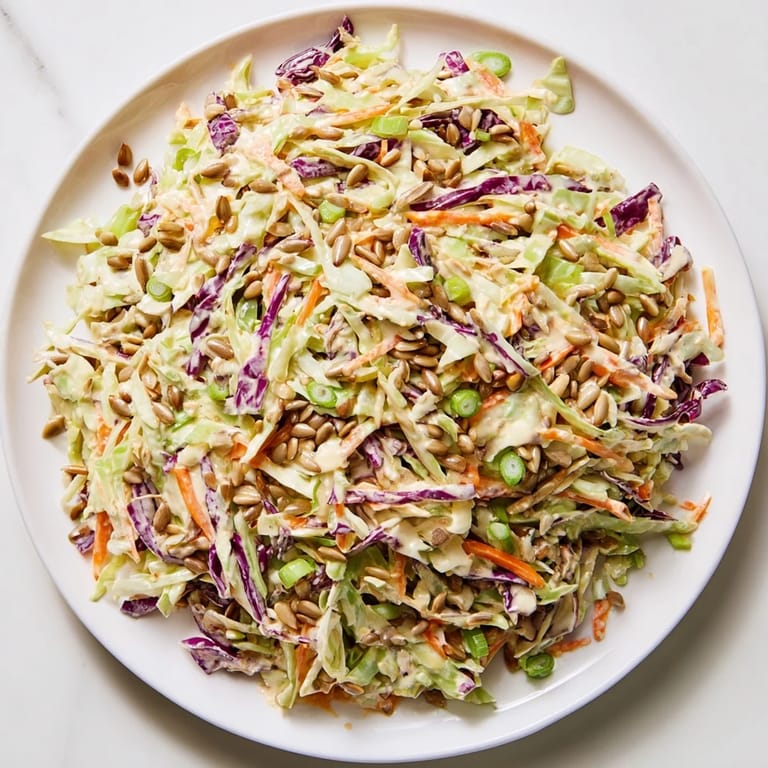
- Green and red cabbage (6 cups total): The color contrast isn't just pretty—red cabbage adds a slightly earthier note that green alone can't give you, and shredding it finely is the secret to actually wanting to eat it raw.
- Carrots (2 large, grated): Fresh grated carrot has a sweetness that pre-shredded never captures, and it softens just enough to feel tender without getting mushy.
- Green onions (3, thinly sliced): These add a whisper of onion flavor that doesn't overpower, and they stay mild when sliced thin.
- Mayonnaise (2/3 cup): This is the binding agent that makes everything cling together; don't skimp on it, but also don't drown the vegetables in it.
- Apple cider vinegar (2 tablespoons): The acidity cuts through the richness and keeps the whole thing from tasting heavy, even on the hottest day.
- Honey or sugar (1 tablespoon): Just enough sweetness to balance the vinegar, not enough to make it taste like dessert.
- Dijon mustard (2 teaspoons): This is the ingredient nobody expects but everyone remembers—it adds complexity that regular mustard can't match.
- Celery seed (1/2 teaspoon): A small amount creates an authentic coleslaw flavor without making it taste medicinal.
- Salt and pepper: Taste as you go; the vegetables release moisture as they sit, so you might want slightly more salt than you'd think.
- Roasted sunflower seeds (1/2 cup): Add these at the last second before serving so they stay crunch, and use unsalted ones unless you want to drown everything in sodium.
Tired of Takeout? 🥡
Get 10 meals you can make faster than delivery arrives. Seriously.
One email. No spam. Unsubscribe anytime.
Instructions
- Prep your vegetables with purpose:
- Shred your cabbage, grate your carrots, and slice your green onions, then toss everything into a large bowl. The thinner you shred things, the better they'll soften and absorb the dressing.
- Whisk the dressing until it's smooth:
- In a separate bowl, combine your mayo, vinegar, honey, Dijon, celery seed, salt, and pepper, whisking until you have no streaks. This takes maybe a minute, and it matters because lumpy dressing distributes unevenly.
- Toss everything together with confidence:
- Pour that dressing over your vegetables and toss like you mean it—every strand of cabbage should glisten. Don't be timid; this salad can handle aggressive tossing.
- Wait, then decide:
- If you're serving immediately, you get maximum crunch. If you've got time, let it chill for up to two hours and the texture softens into something that feels almost creamy.
- Crown it with seeds right before serving:
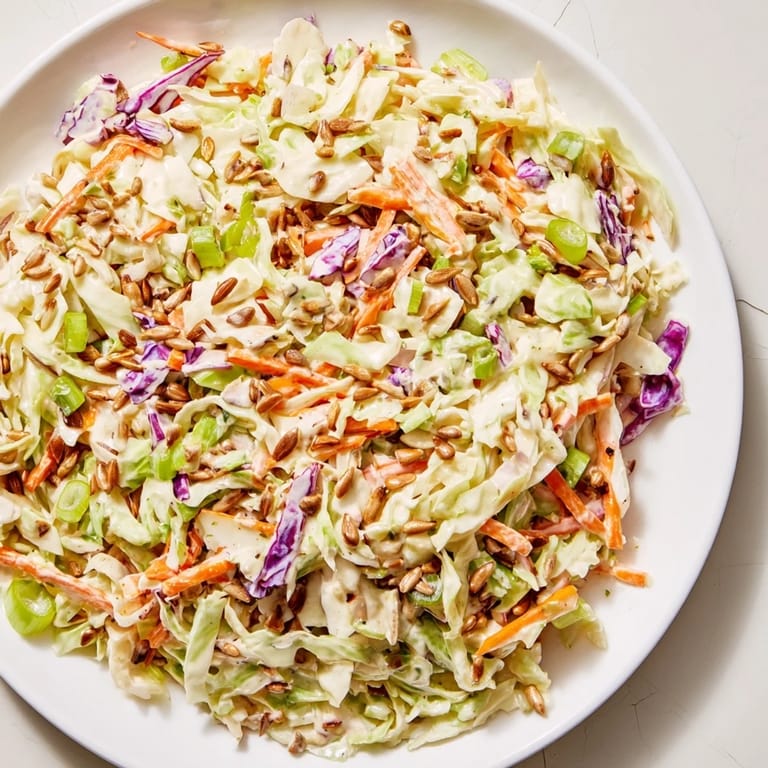
- Sunflower seeds lose their crunch the moment they meet mayo, so scatter them on top just as people are reaching for their plates.
 Pin It
 There was this moment at a family dinner when my uncle, who never compliments food, had thirds and asked if the mustard was homemade. It wasn't, but in that question I realized this simple salad had somehow become something worth noticing.
Making It Your Own
The base recipe is solid, but coleslaw is actually one of the most forgiving things you can make once you understand the principles. I've learned that the dressing-to-vegetable ratio matters more than the exact ingredients, and small additions can transform the whole mood of the dish. Some of my best versions came from happy accidents and ingredients I grabbed without thinking.
When to Serve This
This salad is the hero at cookouts where everyone else brought the same old sides, but it's also perfect for weeknight dinners when you need something fresh and fast. It pairs with everything from spicy grilled chicken to a simple sandwich, and it's one of those rare things that tastes better as a leftover than it does fresh.
Small Tweaks That Make a Difference
Once you've mastered the basic version, small changes become interesting experiments rather than guesses. A handful of raisins or dried cranberries adds sweetness without extra moisture, and thinly sliced apple or bell pepper introduces texture variations that keep the dish from feeling one-note. Greek yogurt mixed with the mayo creates a tangier, lighter version that works when you want the salad to feel less heavy but still creamy.
- Try swapping half the mayo for Greek yogurt if you want a lighter, tangier version that still coats the vegetables.
- Add sliced bell peppers or diced apple in the last minute before serving to preserve their crunch.
- A small handful of raisins or dried cranberries dissolves into the dressing and adds subtle sweetness without weighing anything down.
 Pin It
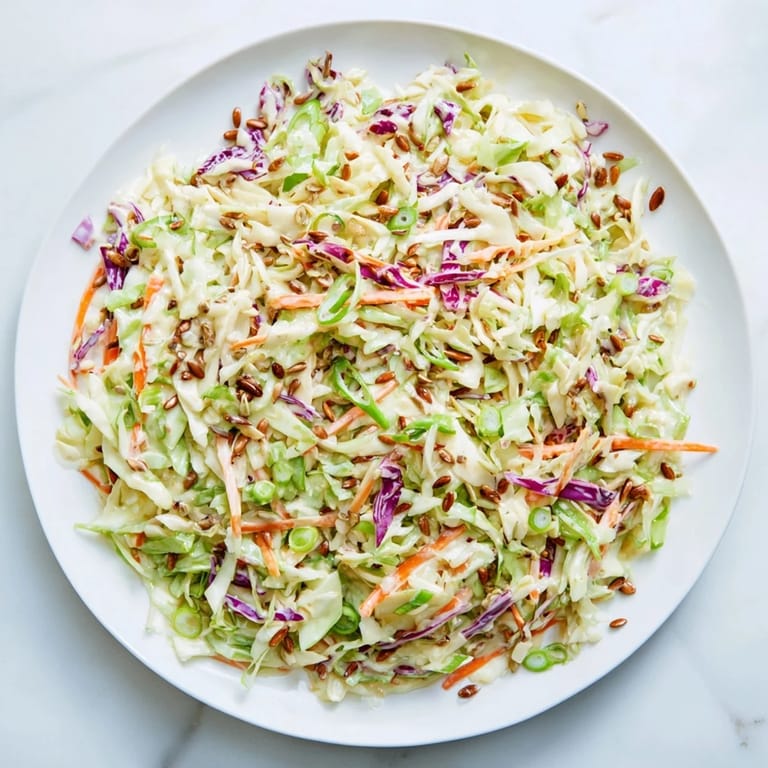
 Coleslaw taught me that simple ingredients handled with attention become something memorable. It's one of those recipes that reminds you why people bother cooking at all.
Recipe FAQs
- → What gives the coleslaw its crunchy texture?
The combination of finely shredded cabbage, grated carrots, and roasted sunflower seeds provides a satisfying crunch in every bite.
- → Can the mayonnaise be substituted for a lighter alternative?
Yes, half the mayonnaise can be swapped with Greek yogurt for a lighter, tangier dressing without sacrificing creaminess.
- → How long can the salad be stored before serving?
It's best served immediately for maximum crunch, but refrigerating for up to 2 hours softens flavors and texture slightly.
- → What flavors enhance the dressing?
Apple cider vinegar adds tang, honey provides a hint of sweetness, Dijon mustard gives a gentle kick, and celery seed offers subtle complexity.
- → What are some suggested additions to customize the salad?
Try adding raisins, dried cranberries, thinly sliced bell peppers, or chopped apples for extra flavor and texture variety.