 Pin It
 I first made this dish on a quiet Sunday afternoon when I found myself staring at a tin of smoked fish and a container of hummus, wondering what on earth to do with them. Instead of the usual cheese board, I decided to build something that felt more like a memory—something that reminded me of walking along a windswept beach, collecting bits of driftwood and lost treasures. The moment I spread that hummus into a gentle shoreline and scattered the crackers like driftwood, the whole platter suddenly told a story. It became the appetizer I'd make again and again, each time feeling like I was creating a little edible landscape.
I remember serving this to friends who arrived with wine and stories from their own day, and watching their faces light up when they saw it arranged on the table was worth every bit of the simple prep. Someone immediately reached for a cracker laden with fish and hummus, took a bite, and said it tasted like the coast—and that's exactly what I'd been hoping for. That moment made me realize this dish isn't really about impressing people; it's about creating something that makes them feel like they're sitting somewhere beautiful, even if you're in a regular kitchen with the radiator clanking in the background.
Ingredients
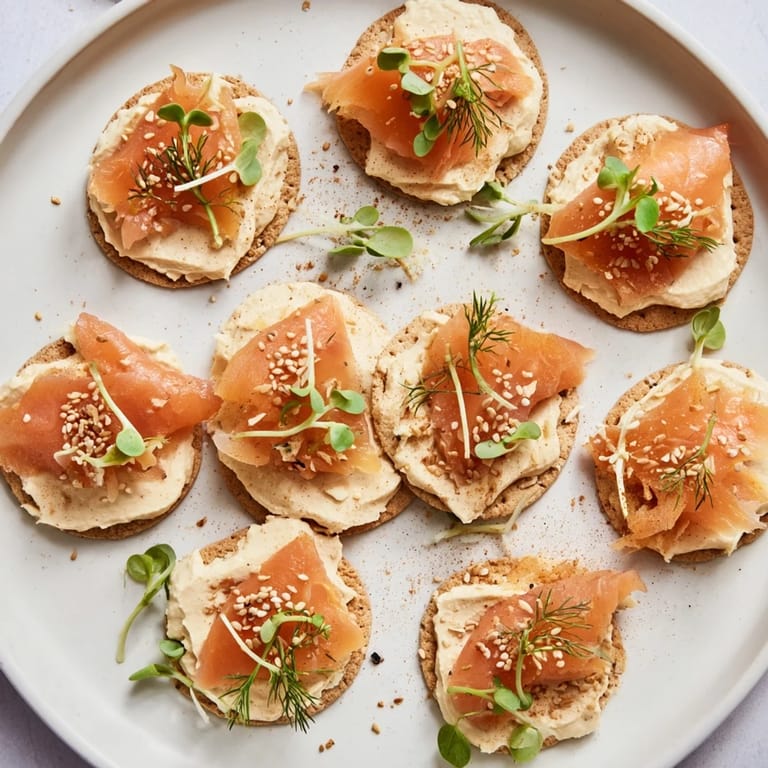
- Pale, rustic crackers (100 g): Water crackers, matzo, or lavash work beautifully—look for varieties that are pale and delicate so they mimic actual driftwood. Breaking them into irregular pieces rather than leaving them whole gives the whole platter an intentional, artistic feel.
- Smoked white fish (120 g): Smoked trout, mackerel, or haddock are the stars here; the smoke adds depth and complexity. Flake it gently with your fingers or two forks so the pieces stay tender and don't shred into dust.
- Classic hummus (250 g): This is your sandy shore, your canvas—use something creamy and well-seasoned, or taste it first to see if it needs a pinch of salt.
- Olive oil (1 tbsp): A good one makes a difference, but don't overthink it; you're drizzling it over the hummus for both flavor and a glossy sheen.
- Smoked paprika (1/2 tsp): This dust of color ties the whole beachy theme together and adds a subtle smokiness that echoes the fish.
- Toasted sesame seeds (1 tsp): These mimic sand and add a nutty crunch; toasting them yourself intensifies their flavor if you have time.
- Fresh dill fronds (1 tbsp): The bright green is essential—it's what makes people say 'coastal' the moment they see it.
- Lemon zest (from 1/2 lemon): A fine shower of this brings freshness and prevents the whole thing from feeling too heavy.
- Capers (1 tbsp): Rinsed and drained, these add a briny pop that plays beautifully against the creamy hummus.
- Microgreens (optional): These are the final flourish, adding delicate height and a peppery edge that makes it feel elegant.
Tired of Takeout? 🥡
Get 10 meals you can make faster than delivery arrives. Seriously.
One email. No spam. Unsubscribe anytime.
Instructions
- Create your shoreline:
- Spread the hummus thickly and evenly across a large serving platter, using a spatula or offset knife to shape it into a gentle, undulating shoreline. Think of it less as 'covering the platter' and more as 'sculpting a beach,' letting the edge be rough and natural rather than precise.
- Add the sandy texture:
- Drizzle the olive oil across the hummus in lazy streaks, then dust lightly with smoked paprika and scatter the toasted sesame seeds like fine sand. The paprika should look barely there—just enough to suggest color and warmth.
- Arrange the driftwood:
- Break the crackers into uneven pieces and arrange them along one edge of the hummus, letting some pieces overlap slightly. Vary the placement so it looks like pieces have naturally washed up, not like you placed them with a ruler.
- Layer in the catch:
- Scatter the flaked smoked fish across and around the cracker pieces, mixing some into the hummus and letting other bits sit on top. The goal is a scene that looks abundant and a little wild, not symmetrical.
- Finish with flourishes:
- Sprinkle dill fronds, lemon zest, capers, and microgreens (if using) across the whole platter in no particular order. These final touches are what make people slow down and really look at what you've made.
- Serve immediately:
- Bring the platter to the table while the crackers are still crisp and the dill is still bright. Let guests scoop, build their own bites, and enjoy the experience of eating something that doesn't feel like the usual appetizer.
 Pin It
 There was an evening when my partner watched me assemble this and said, 'You made the beach' in this genuinely delighted way that made me understand something about why we cook for each other. It wasn't fancy or complicated, but it was intentional and beautiful, and that mattered. Food that makes people pause and really look at it before they eat it—that's its own kind of magic.
Building Flavor Layers
The beauty of this dish is how each component speaks its own language but somehow sounds like one voice. The hummus is the foundation—earthy and grounding—while the smoked fish brings complexity and brine. The crackers give you structure and crunch, the capers add sharpness, and the lemon zest and dill arrive like a breeze that makes everything feel fresh and alive. When you taste it, your mouth experiences all of these at once, which is why taking a bite feels like a conversation rather than a simple snack.
The Art of Arrangement
I've learned that the way food is presented changes the way it tastes, or at least the way it feels to eat it. When you arrange this platter with intention—placing the driftwood pieces as if they've genuinely washed ashore, varying the scatter of fish so it looks natural rather than distributed by grid—people respond differently. They slow down, they look longer, they take smaller bites to really taste it. This is the opposite of the cheese board where everything is uniform and neat; this is meant to feel a little artful, a little imperfect.
Variations and Moments of Play
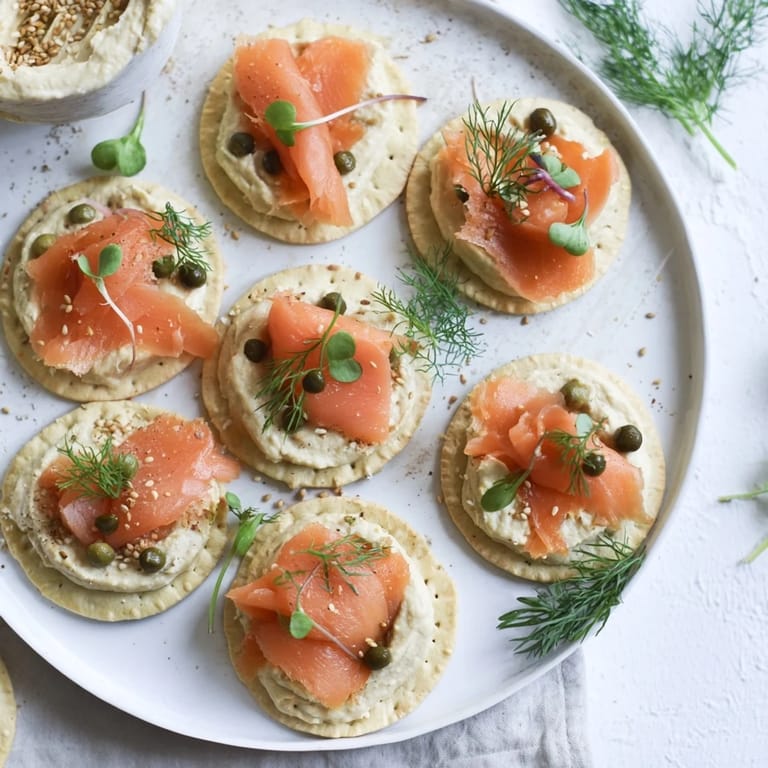
The genius of this dish is how forgiving it is, how willing it is to shift with what you have on hand or what you're craving. Smoked salmon brings elegance, gravlax brings a briny punch, canned mackerel brings bold earthiness. You can add thin slices of radish or cucumber for extra crunch, a scatter of toasted pine nuts for richness, or a drizzle of something spicy if you want to shift the mood. Some versions I've made have felt coastal and refined; others have felt casual and abundant—and both are right.
- Try pairing with a crisp, chilled white wine like Sauvignon Blanc for maximum elegance.
- Keep all components chilled until the last moment so textures stay true and bright flavors shine.
- Assemble this when you're ready to serve rather than ahead of time, so crackers maintain their crisp, architectural quality.
 Pin It
 This dish taught me that sometimes the most memorable food isn't the most complicated—it's the food that makes people feel something, whether that's joy or calm or a sudden memory of somewhere beautiful. Making it reminds me to slow down and think about presentation as part of the joy of cooking.
Recipe FAQs
- → What types of fish work best with this dish?
Smoked white fish such as trout, mackerel, or haddock provide a delicate, flavorful base that complements the creamy hummus.
- → Can I substitute the crackers for a gluten-free alternative?
Yes, gluten-free crackers or crisp flatbreads work well while maintaining the desired crunchy texture.
- → How should the hummus be arranged for best presentation?
Spread the hummus thickly on a platter and shape it into a gentle shoreline to resemble a beach, enhancing the dish's visual appeal.
- → What is the purpose of the smoked paprika and sesame seeds?
They add subtle smoky, nutty notes and create a sandy texture effect on the hummus surface, enriching both flavor and aesthetics.
- → Are there any recommended garnishes to brighten the flavors?
Fresh dill, lemon zest, capers, and optional microgreens add freshness, tanginess, and an herbaceous lift to the dish.
- → Is this dish suitable for quick preparation?
Absolutely, it requires no cooking and can be assembled in about 20 minutes, making it ideal for easy entertaining.