 Pin It
 I was staring into my fridge on a random Tuesday night, faced with a drawer full of wilting herbs and greens I'd bought with optimistic intentions. Rather than let them go to waste, I tossed everything into the blender with whatever creamy things I had on hand. What came out was this outrageously green, intensely herby sauce that made my plain pasta taste like something from a restaurant. I've been making it ever since, tweaking it each time, and it never gets old.
The first time I served this to friends, I worried it might be too green, too herby, too unfamiliar. But watching them twirl their forks and go quiet for a few bites told me everything. One friend asked if I'd made pesto, and I explained it was more like a salad dressing that decided to become a pasta sauce. By the end of the night, two of them had texted asking for the recipe.
Ingredients
- Baby spinach: Adds body and a mild earthiness without bitterness, and it blends into the sauce almost invisibly.
- Green cabbage: This was my accidental discovery, it gives the sauce a subtle sweetness and makes it feel more substantial.
- Fresh parsley: Bright and grassy, it keeps the sauce from tasting one-note and balances the richer herbs.
- Fresh basil: Sweet and aromatic, basil is what makes people lean in and ask what that flavor is.
- Fresh chives: They bring a gentle oniony sharpness that ties all the greens together.
- Fresh tarragon: Optional but magical, it adds a faint licorice note that makes the sauce feel fancy and mysterious.
- Garlic: Two cloves are enough to give backbone without turning the sauce aggressive.
- Green onions: I love their mild bite and the way they blend seamlessly into the sauce.
- Avocado: This is the secret to the creaminess, it makes the sauce silky without needing a ton of dairy.
- Greek yogurt or sour cream: Adds tang and body, and Greek yogurt keeps it a little lighter if that matters to you.
- Mayonnaise: It might sound odd, but mayo gives the sauce a subtle richness and helps it cling to the pasta.
- Parmesan cheese: Salty, nutty, and essential for making the sauce taste like more than just blended greens.
- Lemon juice: Freshly squeezed is key, it brightens everything and keeps the sauce from feeling flat.
- White wine vinegar: Just a teaspoon adds sharpness and complexity that lemon alone cannot achieve.
- Olive oil: It smooths out the texture and adds a fruity richness that rounds out the flavor.
- Salt and black pepper: Season generously, greens need more salt than you think to really come alive.
- Crushed red pepper flakes: A pinch is optional but adds a gentle warmth that makes the sauce more interesting.
- Pasta: Use whatever shape you love, though long noodles like linguine let the sauce coat every strand beautifully.
Tired of Takeout? 🥡
Get 10 meals you can make faster than delivery arrives. Seriously.
One email. No spam. Unsubscribe anytime.
Instructions
- Boil the pasta:
- Get a big pot of water boiling with a generous handful of salt, then cook your pasta until it still has a slight bite. Before you drain it, scoop out half a cup of that starchy water, it will be your secret weapon for a silky sauce.
- Blend the sauce:
- While the pasta bubbles away, throw all your greens, herbs, garlic, green onions, avocado, yogurt, mayo, Parmesan, lemon juice, vinegar, olive oil, salt, and pepper into a blender. Blend until it is completely smooth and vibrantly green, stopping to scrape down the sides so nothing gets left behind.
- Adjust the consistency:
- If the sauce looks too thick, add the reserved pasta water a tablespoon at a time and blend again until it is pourable but still clings to a spoon. You want it loose enough to coat the noodles, not so thin that it pools at the bottom of the bowl.
- Taste and tweak:
- Give it a taste and adjust with more salt, pepper, or a squeeze of lemon if it needs brightening. Trust your instincts here, the sauce should taste bold and vibrant on its own.
- Toss and serve:
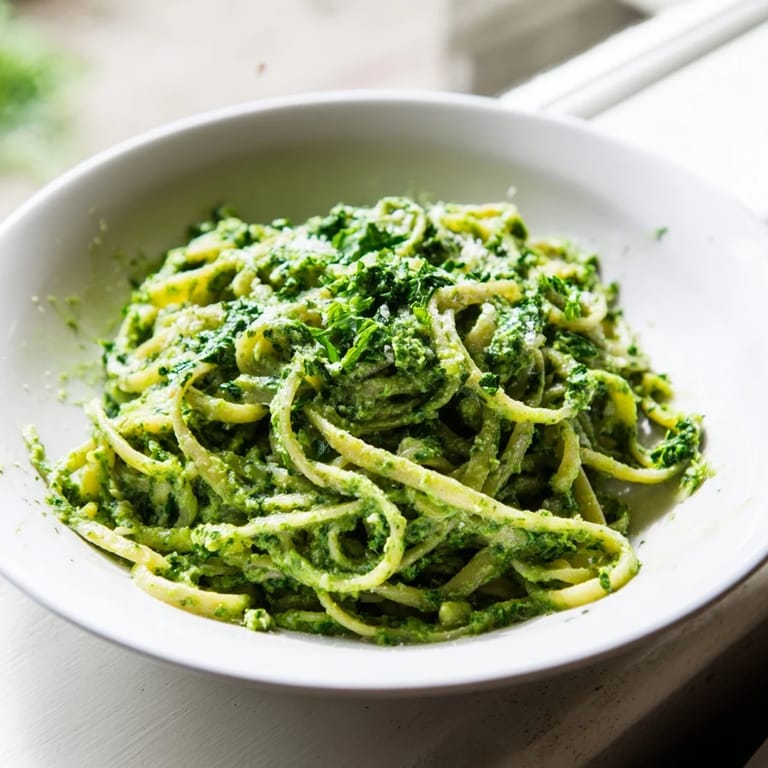
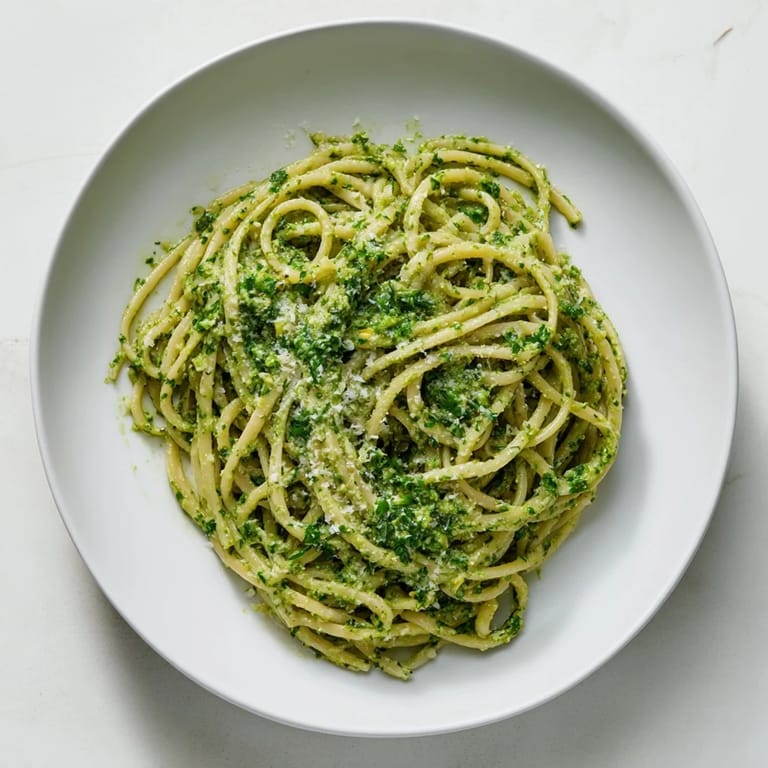
- Drain the pasta and immediately toss it with the green goddess sauce while everything is still hot. The heat helps the sauce cling and soak into every crevice, and it smells incredible.
 Pin It
 I made this for my mom once when she came over feeling exhausted, and she sat at my kitchen counter spooning it straight from the bowl, saying it tasted like spring. It is the kind of dish that feels like a small act of care, for yourself or someone else, and it never fails to lift the mood in the room.
Making It Your Own
I have made this sauce with whatever greens were about to turn, including kale, arugula, and even the tops of radishes. You can swap the herbs based on what you have, though I would not skip the parsley since it keeps everything balanced. If you want it richer, toss in a handful of toasted walnuts or pine nuts before blending. For a vegan version, use plant-based yogurt and mayo, and either skip the Parmesan or use a good vegan substitute.
Serving and Storing
This sauce is best served immediately while the pasta is hot and glossy, but it also works beautifully as a cold pasta salad the next day. If you are making it ahead, store the sauce separately in an airtight container in the fridge for up to three days, and toss it with freshly cooked pasta when you are ready to eat. The color will dull slightly over time, but the flavor stays bright. I have also used leftover sauce as a dip for vegetables or a spread for sandwiches, and it works surprisingly well.
What to Serve Alongside
This pasta is rich and herby enough to stand on its own, but I like to serve it with something simple and crisp to balance it out. A lemony arugula salad with shaved Parmesan is perfect, or just some crusty bread to soak up any extra sauce. If you want to add protein, grilled chicken, shrimp, or white beans would all be great without competing with the sauce.
- A crisp white wine like Sauvignon Blanc or Gruner Veltliner is a perfect match for the bright, herby flavors.
- If you are not into wine, sparkling water with a squeeze of lemon feels just as refreshing.
- Leftover sauce keeps for three days in the fridge, just give it a stir before using since it may separate slightly.
 Pin It
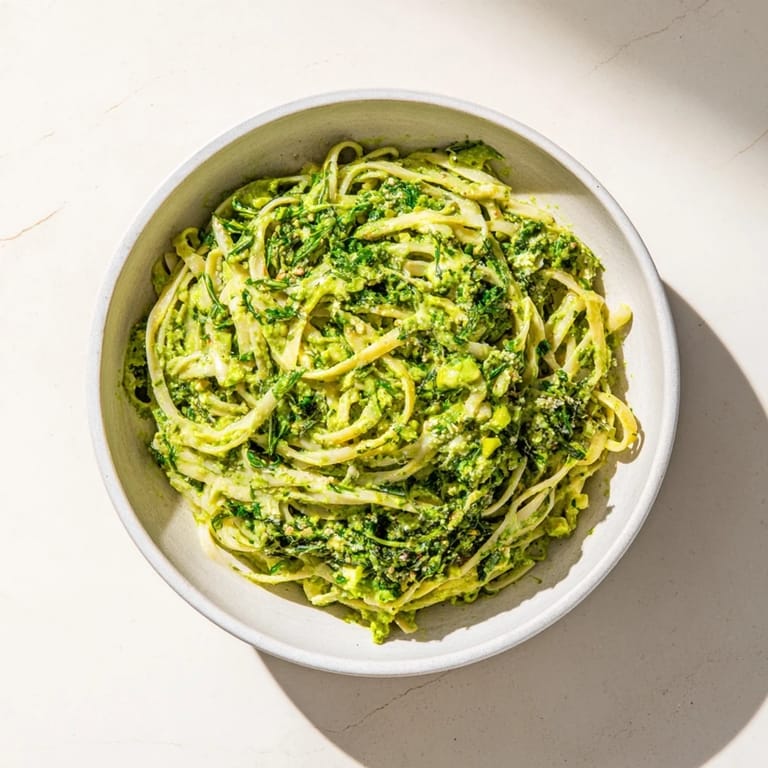
 This is one of those recipes that feels like a little secret, simple enough for a weeknight but impressive enough that people always ask how you made it. I hope it becomes one of your favorites too.
Recipe FAQs
- → What greens are used in the sauce?
Baby spinach, green cabbage, parsley, basil, chives, and optional tarragon provide the fresh, vibrant base.
- → How is the creamy texture achieved?
Greek yogurt, mayonnaise, avocado, and grated Parmesan blend to create the smooth, rich consistency.
- → Can this sauce be made vegan?
Yes, substitute plant-based yogurt and vegan mayonnaise, and omit or replace Parmesan with a vegan alternative.
- → How do I adjust the sauce consistency?
Reserved pasta cooking water can be added gradually to reach a pourable, smooth texture.
- → What pasta types suit this sauce best?
Long pasta like linguine or spaghetti complements the creamy, herbaceous sauce well, but penne also works nicely.
- → Are there suggested garnishes?
Extra fresh herbs and grated Parmesan enhance flavor and presentation when serving.