 Pin It
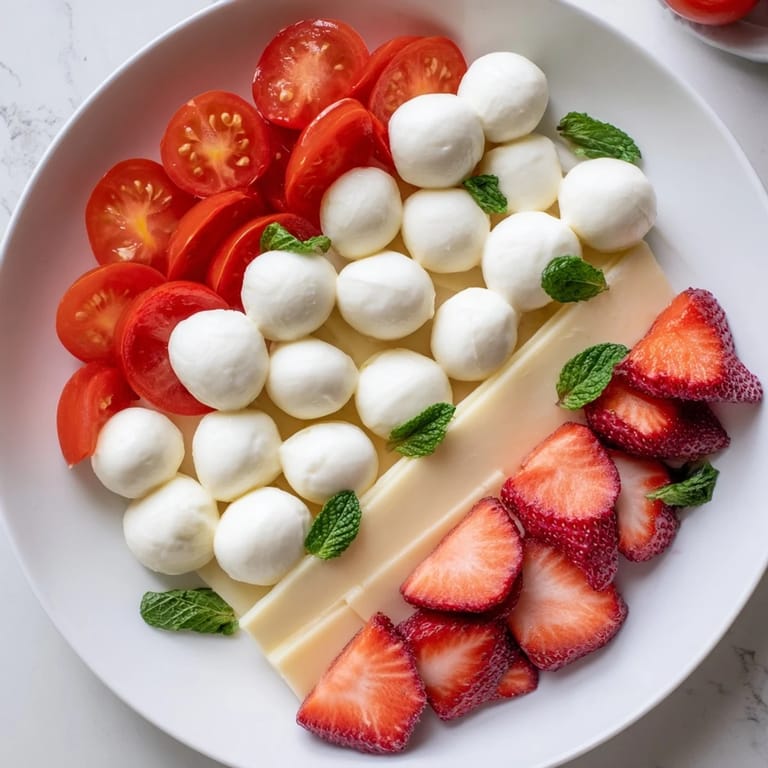
 I'll never forget the year my sister challenged me to create a show-stopping platter for our holiday open house—something that would make guests stop mid-conversation and actually photograph their food. That's when I discovered the magic of the peppermint stripe: simple ingredients arranged with intention, creating something that feels both elegant and effortlessly festive. Red and white stripes that echo childhood candy memories, but made entirely from real, delicious things you'd actually want to eat.
I made this for my office holiday party last December, and watching people's faces light up when they saw those perfect red and white stripes arranged like edible peppermint sticks reminded me why I love cooking—not always because the food is complicated, but because it creates these small moments of joy. Someone actually asked for the recipe, and I got to tell them: it's not really a recipe, it's a pattern you've probably known since you were five.
Ingredients
- Fresh mozzarella balls (200 g): These little pockets of creaminess are your white stripe's anchor. Buy them the day of—they taste best when they haven't been sitting around, and their delicate sweetness is what makes this platter feel special rather than just 'cheese and fruit.'
- White cheddar or Havarti cheese, sliced (400 g total): You want cheese that has some presence, some flavor. Don't grab the mild stuff; get something with character that actually tastes like cheese, because these are your stripes' backbone.
- Fresh strawberries, sliced (150 g): Ripe, red, and honestly? They're the easiest way to make your platter look like it belongs in a magazine. Pick ones that are a little soft because they photograph better and taste sweeter.
- Raspberries (150 g): These add texture and that jewel-like quality that makes people actually believe this is fancy. They're delicate, so add them last if you can.
- Cherry tomatoes, halved (100 g): This is the moment you realize a holiday platter doesn't have to be sweet. These little bursts of umami are your secret—they make the whole thing feel grown-up and intentional.
- Roasted red bell peppers, sliced (100 g): Use the jarred ones if you need to—that's not cheating, that's efficiency. Their sweetness bridges the gap between fruit and savory, which is exactly what makes this work.
- Salami, thinly sliced (150 g): Rolling these into roses is the one moment where you get to feel like a real chef. It takes 30 seconds and changes everything.
- Prosciutto (100 g): Drape this loosely; let it have some presence. It's salty, it's elegant, and it's the thing that reminds everyone this isn't just a fruit platter.
- Water crackers and baguette slices (250 g total): These are your textural heroes. They give people something to actually do with all this beautiful food, and they fill gaps in a way that looks intentional, like you planned it.
- Fresh mint leaves: This is non-negotiable for the peppermint theme. The aroma alone tells people they're about to experience something thoughtfully made.
Tired of Takeout? 🥡
Get 10 meals you can make faster than delivery arrives. Seriously.
One email. No spam. Unsubscribe anytime.
Instructions
- Choose your stage:
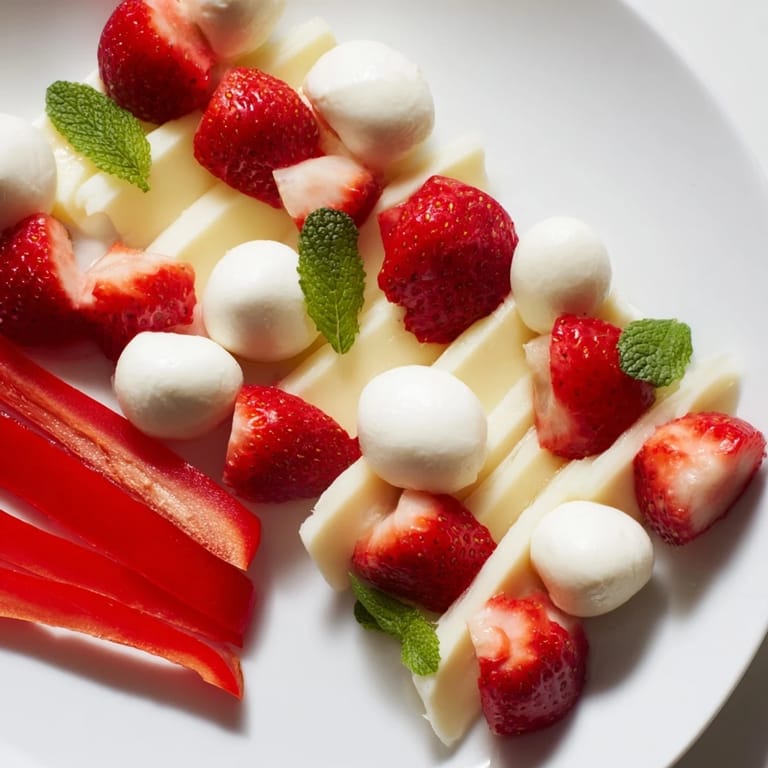
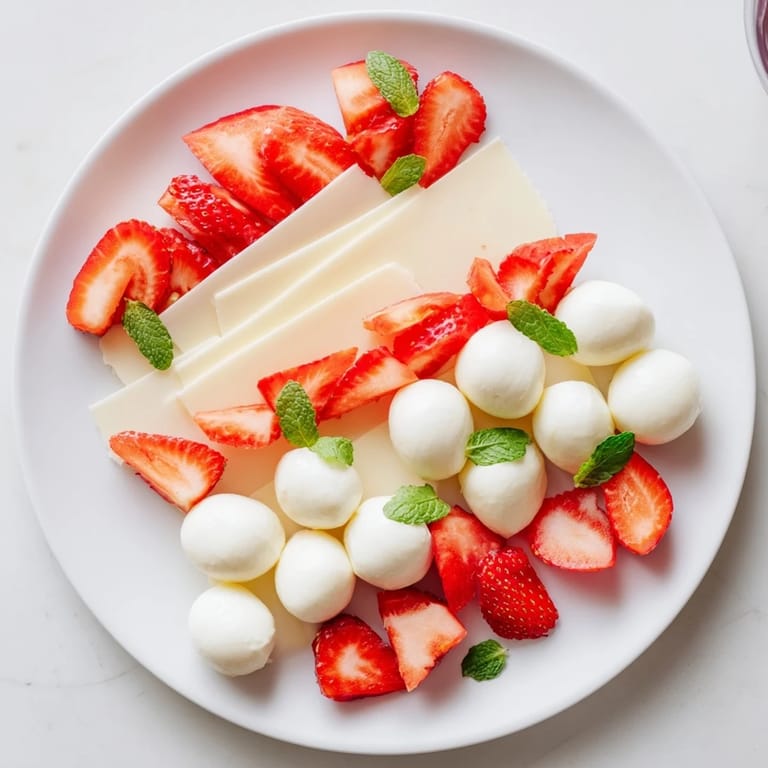
- Pick a platter—rectangular is easiest for stripes, but circular works beautifully too. Something large enough that ingredients can breathe, not crammed together. You're not filling every space; you're creating a pattern.
- Lay your first white stripe:
- Start at one edge and arrange your first row—whether it's mozzarella balls or white cheddar slices. Think of it like painting. Be generous, but not fussy. They don't need to be perfectly aligned; they just need to feel intentional.
- Add your first red accent:
- Now comes the moment where it all makes sense. Arrange sliced strawberries or raspberries in a clean row next to your white stripe. Watch how the color contrast creates depth. This is why you're doing this.
- Continue the pattern:
- White, then red. White, then red. Use different cheeses, different red elements—tomatoes, peppers, raspberries. The variety within the pattern is what keeps eyes interested. You're not being boring; you're being sophisticated.
- Weave in texture:
- Between some stripes, tuck in rows of crackers and baguette slices. They add crunch and give structure, plus they make the whole thing functional—people can actually eat it without deconstructing your art.
- Make salami roses:
- This is the flourish. Gently roll each thin slice of salami into a loose rose shape and tuck it into a red stripe. It looks complicated; it takes seconds. This is the moment you actually feel like you're presenting something made with care.
- Crown it with mint:
- Scatter fresh mint leaves across the top and into the gaps. Now it smells like a holiday, and suddenly this arrangement tells a story—peppermint stripes, refreshing and festive, made from real food.
- Set it free:
- Serve immediately if you want everything perfectly fresh, or cover with plastic wrap and refrigerate for up to two hours. It actually gets better as flavors settle slightly, if you can wait that long.
 Pin It
 What stuck with me most about that first peppermint platter wasn't the compliments—though there were plenty—it was watching my eight-year-old nephew explain to his friend that the stripes reminded him of candy canes, but better, because you could actually taste the raspberries and cheese. In that moment, I realized that the best recipes aren't always the most complicated ones; they're the ones that make people see familiar things in a new way.
Making It Your Own
The peppermint stripe is a framework, not a prison. Once you understand the pattern, you can play with it. Swap in pomegranate seeds for that jewel-tone intensity, use red grapes if strawberries aren't in season, or add marinated tofu and hummus if you're serving vegetarians. The principle stays the same: white ingredients, red ingredients, arranged with intention. I've made versions for summer dinner parties by using different cheeses and fresh herbs instead of mint. The pattern works because it's visually satisfying and because, at its heart, it's just good ingredients presented with respect.
Serving and Pairing
This platter is a chameleon. Serve it with a light sparkling wine or cranberry spritz if you want to lean into the holiday theme—the bubbles complement the cheese and fruit beautifully. I've also served it alongside a simple beet hummus for dipping, which adds another layer of red and makes it feel even more intentional. The real magic is that it works for appetizers, for a light lunch, even as part of a holiday spread. It's the kind of thing that guests remember not because it was complicated, but because it felt like someone cared enough to make their plate beautiful.
Holiday Variations and Beyond
If you want to lean into the festive theme harder, there's a dessert version that's pure magic: swap out the cheeses and meats for marshmallows, white and red candies, and white chocolate pieces. Sounds strange until you make it, and then it's suddenly genius—a platter that looks exactly like a peppermint candy arrangement but tastes like the holidays themselves. For a vegetarian celebration, just double down on cheeses, roasted vegetables, and fresh herbs. I once made an entirely plant-based version with marinated tofu and red pepper hummus that left guests actually shocked that there was no meat—not because they missed it, but because everything tasted so intentional and considered.
- Buy all your ingredients the day of if possible, so everything is at peak freshness and color.
- If you're concerned about anything browning or drying out, prep components separately and arrange just before guests arrive.
- Remember that the most impressive part isn't how hard you worked—it's that you thought enough of your guests to make their plate a picture worth remembering.
 Pin It
 The peppermint stripe celebration taught me that sometimes the most memorable dishes aren't the ones that take hours or require skills you don't have—they're the ones where you understand your ingredients well enough to arrange them with confidence. That's a kind of cooking I genuinely love.
Recipe FAQs
- → How do I create the striped pattern on the platter?
Arrange alternating rows of white cheeses (like mozzarella and cheddar) with red elements such as strawberries, raspberries, tomatoes, and roasted red peppers. Adding crackers or bread between some rows enhances texture and visual appeal.
- → Can this platter be made vegetarian?
Yes, omit the salami and prosciutto. Add extra cheeses, marinated tofu, or red bell pepper hummus to maintain variety and flavor.
- → What garnishes work best for this platter?
Fresh mint leaves complement the peppermint theme perfectly. Microgreens or edible flowers add a delicate touch and enhance presentation.
- → How long can the platter be prepared ahead of time?
Prepare the platter up to 2 hours before serving and keep it covered and refrigerated to maintain freshness.
- → What drinks pair well with this festive arrangement?
Light sparkling wine or a cranberry spritz beautifully balance the fresh and savory flavors present in the platter.