 Pin It
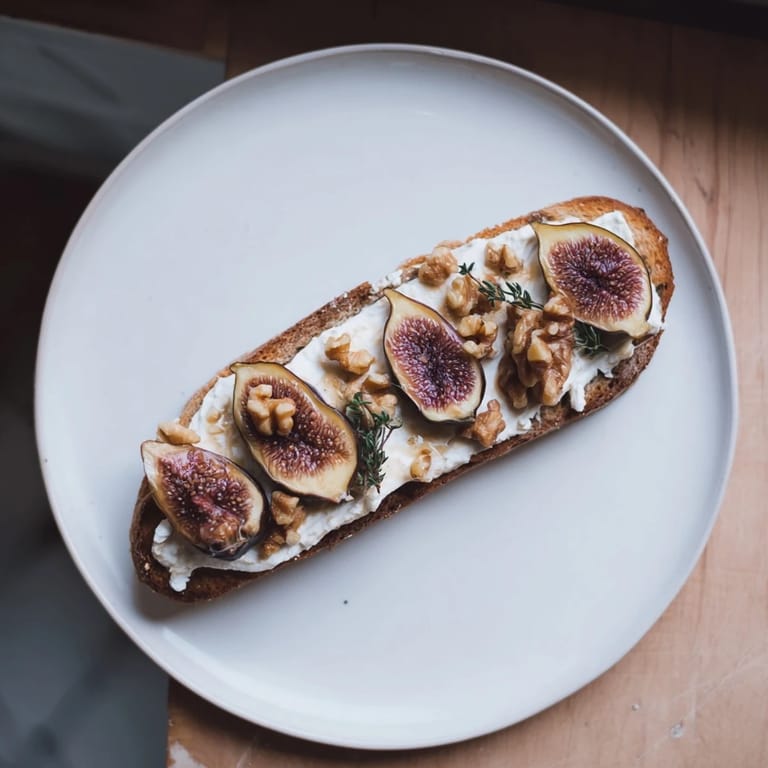
 There's something about arranging food on a platter that makes you feel like you're hosting a dinner party in a château, even if your kitchen is the size of a postage stamp. The first time I assembled The Royal Tapestry, I was trying to impress someone who actually knew French food, and I discovered that simplicity—layered thoughtfully—can feel more sophisticated than anything complicated. Each element on the plate tells its own story: the earthiness of pâté, the honeyed sweetness of figs, the tang of goat cheese, all held together by the crunch of a toasted brioche. It's proof that sometimes the best dishes don't require cooking at all, just intention.
I remember setting this out at a small gathering on a rainy autumn evening, and watching people hesitate before their first bite—that moment of uncertainty before they realized each layer was meant to be tasted together. Someone actually said, "This tastes expensive," which might be the highest compliment you can give a home cook.
Ingredients
- Duck or Chicken Liver Pâté (200 g): This is the foundation, bringing richness and a subtle, almost minerally depth that makes everything else taste more refined—look for a good quality one, as it's the star here.
- Dried Figs (120 g, thinly sliced): They add natural sweetness and a jewel-like color that catches the light; soaking them briefly in warm water makes them easier to slice if they're too dry.
- Soft Goat Cheese (80 g, room temperature): Room temperature is non-negotiable here—it spreads like clouds and provides a tangy contrast that balances the richness beautifully.
- Toasted Brioche or Gluten-Free Crackers (12 slices): Toast your brioche yourself if possible; store-bought toasted ones can taste a bit cardboard-like, and fresh toasting brings back their subtle sweetness.
- Toasted Walnuts (40 g, roughly chopped): The crunch is essential—it's what keeps each bite from feeling too soft and decadent, grounding everything with texture.
- Fresh Thyme Sprigs: Don't skip this garnish; it adds an herbal whisper that ties the whole composition together.
- Fig Jam (2 tbsp, optional): A light drizzle adds glossy appeal and deepens the fig-and-fruit profile if you want to lean into sweetness.
Tired of Takeout? 🥡
Get 10 meals you can make faster than delivery arrives. Seriously.
One email. No spam. Unsubscribe anytime.
Instructions
- Start with Your Canvas:
- Arrange your toasted brioche or crackers on a serving platter in overlapping rows, like you're laying tiles or shingles—this isn't just functional, it creates that visual tapestry the dish is named for. Think about rhythm and balance as you place each piece.
- Spread the Pâté:
- Using a small spatula or butter knife, spread a generous, slightly uneven layer of pâté across each piece; perfection here actually looks less appetizing than a little texture and variation. You want people to see the layers when they pick one up.
- Layer the Figs:
- Arrange your fig slices across the pâté in a way that feels balanced—you're not tiling perfectly, just ensuring every piece gets some fruit. The slight translucency of the figs against the dark pâté is part of the visual magic.
- Dot with Goat Cheese:
- Drop small spoonfuls of room-temperature goat cheese across the platter, nestling them among the figs; these cream-colored pockets create visual interest and give guests those moments of cool tang.
- Add the Crunch:
- Sprinkle your toasted walnuts evenly across everything; this is what prevents the whole thing from tasting like a single note, and it's also where you can taste the difference between walnuts that are fresh-toasted versus ones that have been sitting in the pantry.
- Final Touches:
- If using fig jam, drizzle it lightly across the platter—less is more here, just enough to add shine and sweetness. Top with fresh thyme sprigs placed thoughtfully between elements.
- Serve Immediately:
- This is best enjoyed as soon as it's assembled, when everything still has its textural integrity. Encourage guests to pick up pieces and taste the layers together rather than eating them separately.
 Pin It
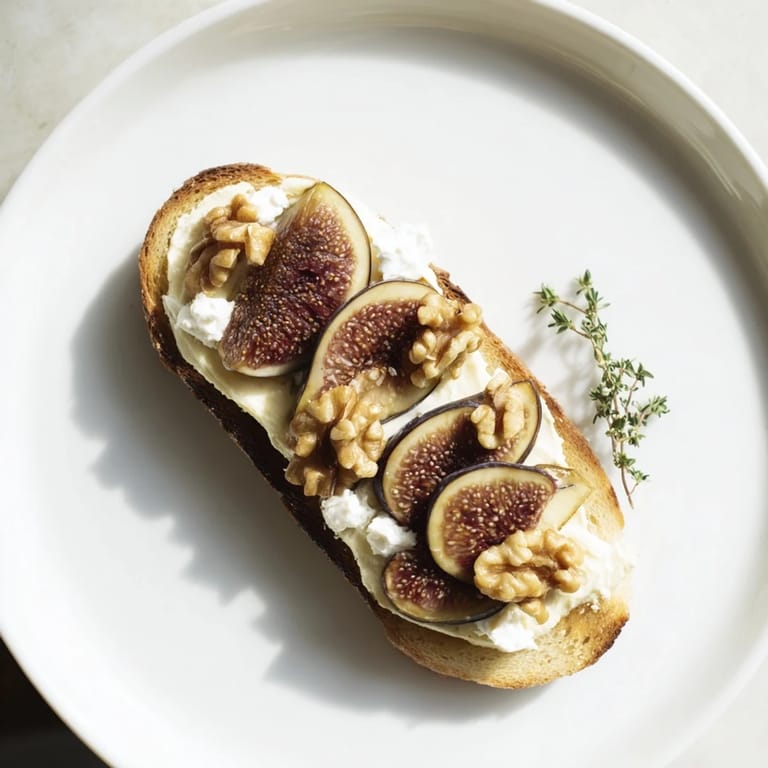
 What surprised me most about this dish is how people interact with it differently than they do with other appetizers. Instead of grabbing quickly, they pause, look at it, sometimes even take a photo—it transforms the eating into a moment rather than just refueling between conversations.
Flavor Harmony
The genius of this arrangement is that each element was born to complement the others: pâté provides umami richness, figs bring honeyed sweetness and texture, goat cheese cuts through with tang and airiness, while walnuts anchor everything with earthiness and crunch. When you taste all the layers together on a single bite, it's a complete flavor story—no single element overwhelms because they're all balancing act partners. This is why you really do want guests to experience them as a composition, not as separate bites.
Playing with Variations
The beauty of this dish is that it's a template, not a strict formula, so you can absolutely pivot based on what you have or what you're craving. Mushroom pâté instead of liver works beautifully for vegetarians—it brings the same richness without the meat. I've swapped the goat cheese for blue cheese when I wanted something bolder, and it transforms the whole mood into something more assertive and wintery.
Wine and Serving Wisdom
This dish asks for something special to drink—Sauternes is the obvious choice, its honeyed sweetness echoing the figs, but a lighter fruity red wine also works beautifully, cutting through the richness of the pâté. Serve it as part of a larger appetizer spread or as a standalone opener, and give yourself permission to make it look as gorgeous as possible—plating is part of the gift you're giving your guests.
- Prep everything except assembly up to 4 hours ahead, keeping the goat cheese covered and the walnuts in an airtight container.
- Toast your walnuts fresh the same day if possible; this makes a bigger difference in flavor than you'd expect.
- If the brioche toasts taste a bit thin after sitting, brush them lightly with a tiny bit of softened butter before serving for extra richness.
 Pin It
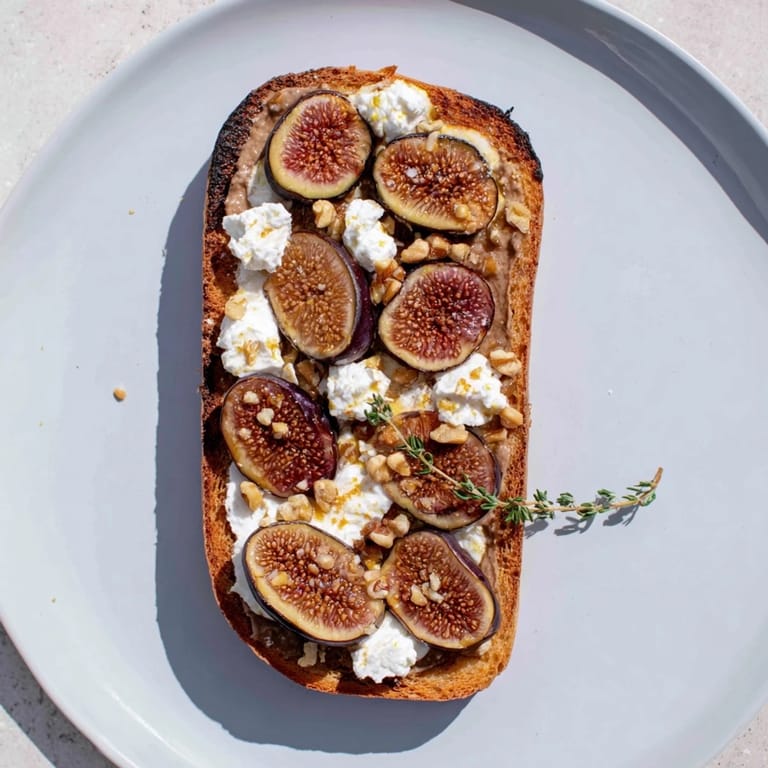
 This is one of those recipes that reminds you that cooking isn't always about complexity or technique—sometimes it's just about choosing really good ingredients, respecting what they are, and arranging them thoughtfully. Serve it with confidence and watch people's faces light up.
Recipe FAQs
- → Can I prepare this appetizer vegetarian-friendly?
Yes, by substituting the liver pâté with mushroom pâté, you can create a vegetarian alternative that maintains rich flavor and texture.
- → What cheese options work well in this dish?
Soft goat cheese provides a creamy tang, but blue cheese can be used for a stronger, more pungent flavor contrast.
- → What type of bread or base is recommended?
Toasted brioche slices offer a buttery base, while gluten-free crackers serve as a great option for dietary preferences.
- → How does fig jam contribute to the appetizer?
Fig jam adds a subtle sweetness and moistness that complements the savory pâté and balances the dish.
- → What wine pairs best with this layered appetizer?
A chilled glass of Sauternes or a fruity red wine pairs beautifully, enhancing both the richness and sweetness.