 Pin It
 I still remember the autumn when my grandmother first taught me about the cornucopia—not just the symbol, but the joy of creating one with your own hands. She pulled out a wicker basket that had been tucked away in her pantry for years, and together we filled it with the most beautiful collection of dried fruits, nuts, and cheeses we could find. That day, I learned that the most memorable dishes aren't always the ones you eat right away; sometimes they're the ones that sit in the center of your table, inviting conversation and wonder before a single bite is taken.
I made this for my first Thanksgiving as a new parent, terrified I wouldn't have time to prepare anything fancy. Instead of stressing over a complicated recipe, I assembled this cornucopia while my daughter napped, and when guests arrived, they were absolutely captivated. What struck me most wasn't the compliments on the food—it was how it brought people together naturally, everyone gathered around it, sharing stories and reaching for another handful of almonds.
Ingredients
- Dried Apricots (1 cup): These are your color anchor—bright and warm. Look for ones without added sulfites if you want a more natural flavor, and know that they add a subtle tang that balances the richness of cheese beautifully
- Dried Figs (1 cup): Figs bring an earthy elegance that feels almost luxurious. I learned to use mission figs for their deep color and tender texture
- Dried Cranberries (1 cup): These tart little jewels cut through the richness and keep your palate refreshed as you graze
- Dried Apple Rings (1 cup): Apple rings add a nostalgic, homemade quality and their natural sweetness is gentler than candy
- Seedless Grapes, Fresh (1 cup, optional): If you add fresh grapes, they provide a burst of moisture and contrast against the chewy dried fruits—save these for last if the timing allows
- Walnuts (1 cup): Walnuts bring an earthy, slightly bitter note that grounds the arrangement. Toast them lightly first if you want their flavor to really sing
- Pecans (1 cup): These are buttery and sweet; they're the crowd-pleaser of nuts and make the arrangement feel autumn-forward
- Almonds (1 cup): Almonds provide elegant simplicity and a mild flavor that lets other ingredients shine
- Aged Cheddar (6 oz, cubed): This is the bold one—sharp and complex, it stands up to the dried fruits with confidence
- Creamy Goat Cheese (6 oz, sliced into rounds): The texture is key here; slicing it into rounds makes it easier to grab and adds visual interest with its soft, crumbly appearance
- Rustic Blue Cheese (6 oz, crumbled): Blue cheese might seem bold, but it's a secret weapon—its intensity shines against sweet fruits and is absolutely transformative with a piece of walnut
- Aged Gouda or Hard Cheese (6 oz, cubed): This is your bridge—not too mild, not too strong, with a subtle sweetness that appeals to everyone
- Rustic Crackers (2 cups): Choose ones with texture and personality; they're not just vehicles but part of the visual story
- Baguette (1 small, sliced): Fresh bread adds a contrasting element and shows you cared enough to include something warm and homemade
- Fresh Rosemary Sprigs: The piney aroma alone tells guests this is harvest-inspired, and it's edible garnish that adds sophistication
- Fresh Thyme Sprigs: Thyme feels more delicate than rosemary and adds a subtle herbaceous note when nibbled
- Edible Flowers or Seasonal Leaves (optional): Pansies, violas, or kale leaves add that final touch of Pinterest-worthy beauty
- Wicker Cornucopia Basket or Bread Horn: This is your foundation. The basket creates the visual story and literally holds everything in place with grace
Tired of Takeout? 🥡
Get 10 meals you can make faster than delivery arrives. Seriously.
One email. No spam. Unsubscribe anytime.
Instructions
- Start with Your Vessel:
- Place your cornucopia basket or bread horn in the center of a large serving platter or board. Step back and imagine the flow—you want it tilted slightly so things will naturally cascade outward. This isn't just placement; it's setting the stage for abundance
- Introduce the Cheeses First:
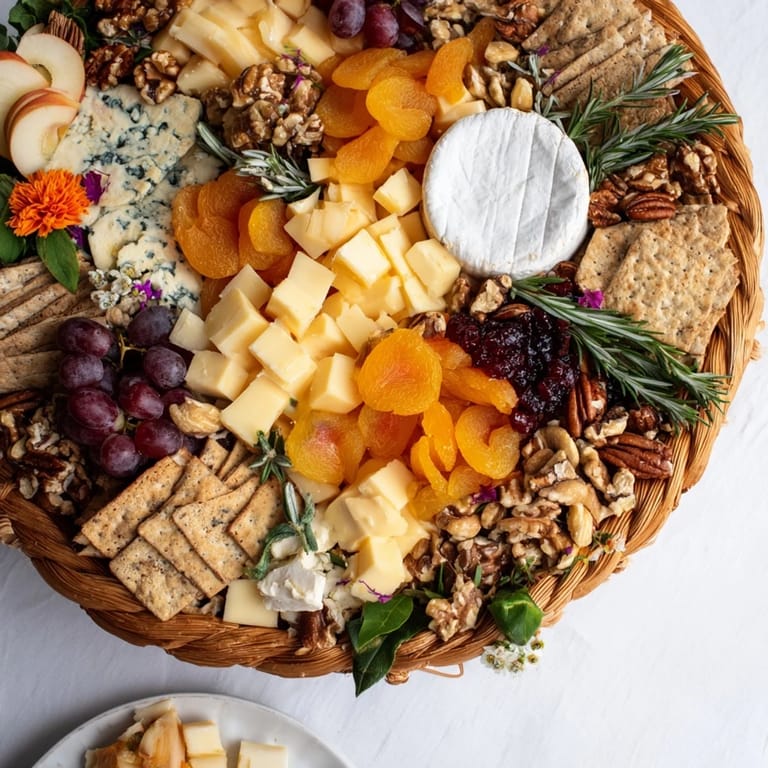
- Begin filling the opening of the horn with your cheeses. Let some pieces peek out from the top and sides—this is where the overflow magic happens. Think of it like sculpting with ingredients. Mix the colors: creamy goat cheese, golden cheddar, crumbly blue cheese, and pale gouda. They should play against each other, creating visual depth
- Layer in the Dried Fruits and Nuts:
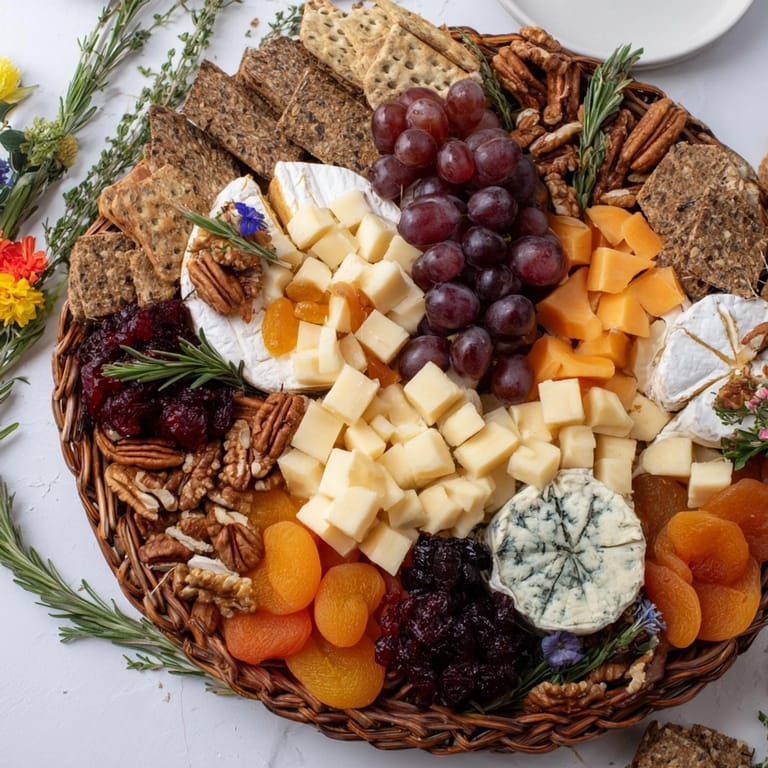
- Now comes the meditative part. Scatter the dried apricots, figs, and cranberries around and spilling out of the horn, letting some tumble to the board below. Tuck the apple rings and nuts in between, thinking about color distribution as you go. You want pockets of burgundy (cranberries), golden (apricots), deep brown (figs), and creamy whites and golds (nuts) visible from every angle. Work in sections—handle one area at a time rather than trying to see the whole picture at once
- Position the Crackers and Bread:
- Tuck baguette slices and crackers along the sides, standing some upright and laying others at casual angles. They're anchors that break up the softness of the fruits and cheeses, creating textural contrast and giving guests easy starting points
- Crown It with Herbs and Flowers:
- Finally, weave fresh rosemary and thyme sprigs throughout, tucking them into gaps and letting them cascade downward like they grew there naturally. If using edible flowers, add them last where they'll be most visible and least likely to get crushed. Step back. You've just created a landscape of autumn on your table
- Serve at Room Temperature:
- Let guests gather around and pick their own combinations. The beauty of this arrangement is that everyone discovers their own perfect bite—a piece of gouda with a fig, an almond with a cranberry, a walnut with blue cheese. No two people will eat it the same way, and that's the whole point
 Pin It
 There's a moment that happens every time I've made this—someone will stand still in front of it, not reaching for food yet, just looking. Then they'll call someone else over, and suddenly there's this small gathering around the cornucopia, with hands reaching gently and voices lowering slightly, like you're all in on a secret. That's when I know it's working. Food that makes people pause before eating it is food that's done something rare.
Making Your Own Edible Bread Horn
If you want to take this further, you can shape bread dough around a foil-covered cone and bake it until golden—a true edible centerpiece. I did this once for a special dinner, and honestly, it elevated the entire experience. The horn itself becomes part of the meal, slightly crisp on the outside, still soft enough to break off and eat alongside the other components. It takes about 30 minutes of baking time, but it adds a handmade warmth that a wicker basket, lovely as it is, simply can't match. Start with a basic bread dough recipe, wrap foil around a cone shape (even a makeshift one from cardboard works for the mold), and bake at 375°F until deep golden. The dough will crisp beautifully as it cools, and you'll have something nobody expected.
Cheese Pairing Wisdom
The secret to why this arrangement works so well isn't just variety—it's contrast and balance. Sharp cheddar and blue cheese need sweet dried fruits nearby to become their best selves, while creamy goat cheese pairs beautifully with the tart cranberries and apple rings. I once forgot to include goat cheese and missed its subtle balance throughout the whole board. Now I think of cheese selection like assembling a small band; you need different voices to create harmony. If you're making substitutions, ask yourself whether you're replacing sharp with sharp, creamy with creamy, or if you're creating an intentional flavor surprise. Each choice shapes the experience.
Customization & Seasonal Variations
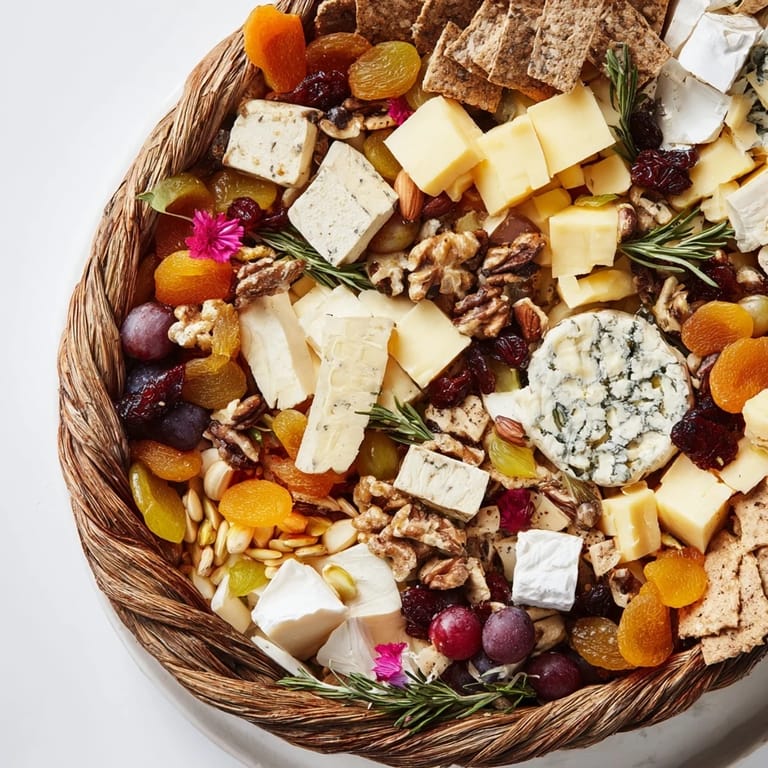
This arrangement is infinitely customizable, and it should be. Use whatever cheeses are calling to you from the market—maybe aged manchego instead of gouda, maybe a smoked cheddar instead of classic. Swap nuts based on what's fresh and what you love; I've made versions with roasted hazelnuts, pistachios, and even marcona almonds, each completely different in character. For winter holidays, add dried pomegranate or candied citrus peel. For spring, bring in dried strawberries and fresh mint. The bones of the arrangement stay the same, but you're always creating something true to the season and the moment.
- Cherry tomatoes or small mozzarella balls can add unexpected freshness and color
- A drizzle of honey on the board around the cornucopia creates a golden gleam and offers a dipping option
- Fig jam or apple butter served alongside adds sophistication and gives guests another flavor dimension to explore
 Pin It
 This cornucopia has become my favorite way to feed people on harvest holidays—not because it's fancy, but because it's honest. It celebrates abundance without pretension, brings people together without requiring you to spend hours cooking, and somehow tastes like autumn, gratitude, and home all at once. Make it once, and it'll become your tradition too.
Recipe FAQs
- → What makes the autumn harvest horn special?
Its abundant mix of dried fruits, assorted nuts, and a variety of aged and creamy cheeses creates a festive and visually appealing centerpiece.
- → Can the base be homemade?
Yes, you can shape bread dough around a foil cone, bake it until golden, and use it as an edible horn base.
- → Are there alternative nuts or cheeses recommended?
Feel free to swap nuts or cheeses to suit your taste preferences or dietary needs without losing the autumn theme.
- → How should it be served?
Serve at room temperature to ensure the flavors and textures of the fruits, nuts, and cheeses are fully enjoyed.
- → What pairings complement the autumn harvest horn?
Pair it with medium-bodied red wine or sparkling cider to enhance the seasonal celebration experience.
- → Are there allergen concerns to note?
This includes dairy from cheeses and tree nuts like walnuts, pecans, and almonds; gluten is present if traditional crackers or bread are used.