 Pin It
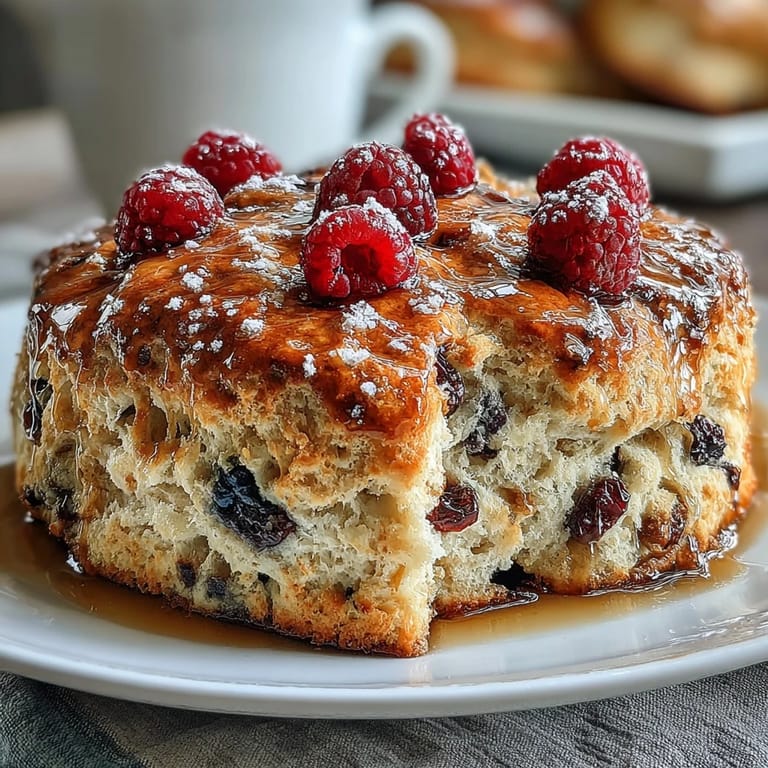
 My sourdough starter had been sitting neglected on the counter for three days when I decided it needed rescuing, so naturally I turned it into scones. There's something about blueberry season that makes you want to bake something that tastes like spring itself, and pairing that with the subtle tang of sourdough discard felt like the perfect way to use what I had on hand. The first batch came out golden and tender, with these little pockets of jammy blueberries throughout, and my kitchen smelled incredible. What started as a way to use up excess starter became my new favorite reason to keep one going.
I made these for a weekend brunch with my neighbor, and she asked for the recipe before she'd even finished her first scone. There was something about the combination of that warm, buttery crumb and the burst of lemon and berries that had everyone reaching for seconds, then asking if I'd made more. Those kinds of moments remind me why baking matters so much more than just following instructions.
Ingredients
- All-purpose flour (2 1/4 cups): The backbone here, and keeping it cold-ish (store it in the freezer for 15 minutes before mixing if your kitchen runs warm) makes all the difference in texture.
- Granulated sugar (1/4 cup): Just enough sweetness to balance the tang without making these taste like dessert.
- Baking powder and baking soda (1 tablespoon and 1/2 teaspoon): This combination works with the sourdough discard to give you that lift and tender crumb.
- Fine sea salt (1/2 teaspoon): Amplifies the lemon and makes every other flavor pop.
- Lemon zest (from 1 large lemon): Get it directly into the dry ingredients so it distributes evenly and releases its oils throughout.
- Cold unsalted butter (1/2 cup cubed): The cold part is non-negotiable; it creates those little pockets of steam that make scones tender and flaky.
- Sourdough discard (1 cup at room temperature): Unfed discard is exactly what you want here, not the bubbly active kind. It brings that subtle tang without overwhelming the blueberries.
- Heavy cream (1/4 cup plus more for brushing): Adds richness and helps bind the dough gently.
- Egg (1 large): Another binder that enriches the crumb structure.
- Pure vanilla extract (1 teaspoon): A small amount that rounds out the flavors without announcing itself.
- Freshly squeezed lemon juice (2 tablespoons): The brightness that makes these taste alive; bottled juice doesn't have the same effect.
- Fresh blueberries (1 cup): If using frozen, add them straight from the freezer so they don't bleed purple through your dough.
- Coarse sugar for topping (2 tablespoons optional): Creates a subtle crunch and catches the light when they come out of the oven.
Tired of Takeout? 🥡
Get 10 meals you can make faster than delivery arrives. Seriously.
One email. No spam. Unsubscribe anytime.
Instructions
- Set your oven and prepare:
- Preheat to 400°F and line your baking sheet with parchment paper. This matters because it helps the bottoms bake evenly and makes cleanup effortless.
- Build your dry foundation:
- In a large bowl, whisk together flour, sugar, baking powder, baking soda, salt, and lemon zest. The whisking helps distribute the leavening agents evenly so your scones rise consistently.
- Cut in the cold butter:
- Add your cold cubed butter and work it in with a pastry blender, fork, or your fingertips until the mixture looks like coarse crumbs with some pea-sized pieces of butter still visible. These little butter pockets are what create those tender, flaky layers.
- Mix your wet ingredients:
- In a separate bowl, whisk together sourdough discard, cream, egg, vanilla, and lemon juice until completely smooth. Doing this separately lets you control how much you mix the flour, which keeps your scones tender.
- Bring it together gently:
- Pour the wet mixture into the dry ingredients and stir with a wooden spoon until just combined. Stop as soon as you don't see dry flour anymore; overmixing develops gluten and makes dense, tough scones.
- Fold in the blueberries:
- Gently fold the blueberries in with a spatula, being careful not to crush them or overwork the dough. If you're using frozen blueberries, add them straight from the freezer to prevent them from leaking color.
- Shape your dough:
- Turn the dough out onto a lightly floured surface and pat it gently into a 1-inch thick circle about 7 inches across. Pat, don't knead; kneading toughens these.
- Cut into wedges:
- Using a sharp knife or bench scraper, cut the circle into 8 wedges like you're slicing a pie. Transfer them to your prepared baking sheet, leaving space between each one so steam can circulate.
- Add the finishing touch:
- Brush the tops lightly with additional cream and sprinkle with coarse sugar if you want that sparkle. The cream helps the sugar adhere and browns beautifully.
- Bake until golden:
- Bake for 18 to 22 minutes, watching until the tops are golden brown and the centers feel firm when you gently press them. Underbaked scones can be gummy; overbaked ones get dry, so this window matters.
- Cool briefly:
- Let them rest on the baking sheet for 5 minutes before transferring to a wire rack. This helps them set without being rushed off the sheet while still warm.
 Pin It
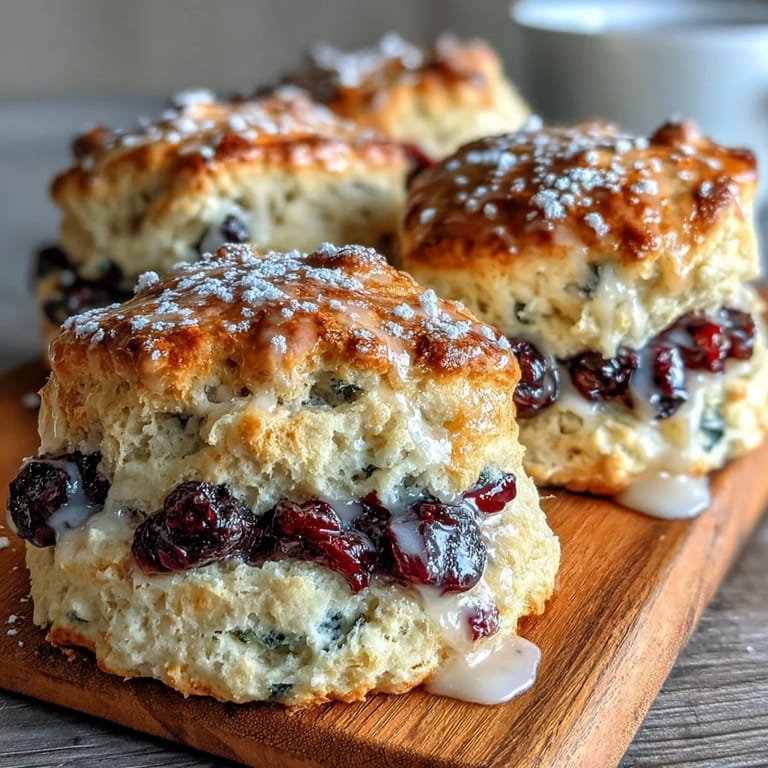
 The moment these came out of the oven and the kitchen filled with that lemon and butter smell, I understood why people get excited about scones. They're not just breakfast; they're a small, warm thing that tastes like someone cares enough to make it properly.
Why Sourdough Discard Belongs Here
Using sourdough discard in baking is practical resourcefulness, but it also adds something real to the flavor. That subtle tang plays beautifully against the bright lemon and sweet blueberries, creating a balance that keeps these interesting bite after bite. I've made these with regular buttermilk too, and they're fine, but the sourdough version has more personality.
The Blueberry Question
Frozen blueberries work just as well as fresh, sometimes better because they're sturdier and less likely to burst during mixing. The key is adding them straight from the freezer without thawing, which keeps them from bleeding color through your dough and turning everything purple. On the flip side, peak-season fresh blueberries have a flavor you can't replicate, so if you can get them at their prime, it's worth seeking them out.
Storage and Serving
These taste best eaten fresh and still slightly warm, when that butter and lemon flavor shine brightest. They'll keep in an airtight container for up to two days, and reheating them briefly in a warm oven brings back some of that just-baked magic.
- For extra lemon intensity, make a simple glaze with powdered sugar and fresh lemon juice and drizzle it over cooled scones.
- If you want to prep ahead, shape and freeze the wedges before baking, then add a few extra minutes to the bake time straight from frozen.
- Buttermilk can stand in for the heavy cream if that's what you have on hand, though the crumb will be slightly less rich.
 Pin It
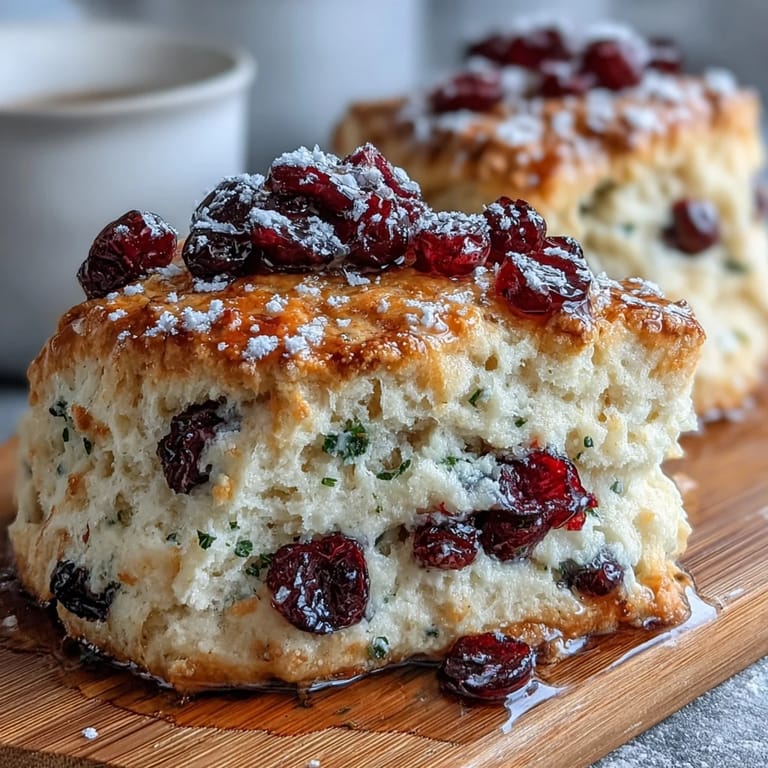
 These blueberry lemon sourdough scones turned what could have been starter maintenance into something people actually ask for. That's the kind of small win that makes keeping a sourdough culture worthwhile.
Recipe FAQs
- → What type of flour is used?
All-purpose flour provides the ideal texture and crumb for these scones.
- → Can frozen blueberries be used?
Yes, incorporate them unthawed directly into the dough to avoid color bleeding.
- → How does sourdough discard affect flavor?
It adds a subtle tang that enhances the scones' depth and richness.
- → What is the purpose of brushing cream on top?
Brushing cream helps achieve a golden, glossy crust during baking.
- → How should the dough be handled?
Gently mix and fold to keep the scones tender and prevent toughness.