 Pin It
 Steam rising from sticky rice is one of the few kitchen smells that always makes me pause. The mingling aroma of coconut milk and the sunny sweetness of mango never fails to transport me somewhere bright, even if it is just my tiny apartment with jazz in the background. Discovering the joy of serving Mango Sticky Rice in little cups happened one summer when I wanted to impress friends without tackling an elaborate dessert. Who knew a classic Thai treat could look so playful but still taste like pure comfort?
One evening after a rainstorm, I made Mango Sticky Rice Cups for my roommate and her study group. The laughter that bubbled up as everyone tried to fit extra mango slices in their cups turned an ordinary night into a spontaneous celebration of sticky fingers and tropical flavors.
Ingredients
- Glutinous (sticky) rice: This is the heart of the dessert—its chewy texture soaks up coconut sauce perfectly; soak it for an hour if you have time for even more tender bites.
- Water: Use fresh, cold water for clean flavor and to help the rice cook evenly.
- Coconut milk (full fat): Don’t skimp on the richness—full fat coconut milk delivers that classic creamy mouthfeel that makes this dish irresistible.
- Granulated sugar: Just the right amount sweetens the coconut without overpowering the mango’s flavor.
- Salt: A little salt in the sauce sharpens and balances the sweetness in an almost magical way.
- Ripe mangoes: Choose mangoes that are fragrant and give slightly to the touch—overripe is better than underripe here.
- Toasted sesame seeds or mung beans (optional): A nutty finishing crunch elevates each bite; I like sesame for the aroma but mung beans bring lovely color.
- Fresh mint leaves (optional): They’re mostly for looks, but their vivid green and fresh taste make the cups feel so special.
Tired of Takeout? 🥡
Get 10 meals you can make faster than delivery arrives. Seriously.
One email. No spam. Unsubscribe anytime.
Instructions
- Prep the Sticky Rice:
- Rinse the sticky rice until the water runs clear (it’s oddly satisfying). If you have an hour to spare, let it soak—it makes each grain extra soft.
- Cook the Rice:
- In a small saucepan, add the drained rice and water. Keep the heat low to avoid scorching the bottom and watch as the grains turn translucent and tender.
- Make the Coconut Sauce:
- While the rice is steaming, combine coconut milk, sugar, and salt in another pan. Gently warm things up, stirring until the sugar dissolves—whatever you do, don’t let it boil or it will lose its silkiness.
- Mix Rice and Coconut:
- Set aside one-third cup of coconut sauce for drizzling. The rest gets mixed into the hot rice so every grain soaks up that creamy sweetness—cover and let it sit for another ten minutes to absorb.
- Assemble the Cups:
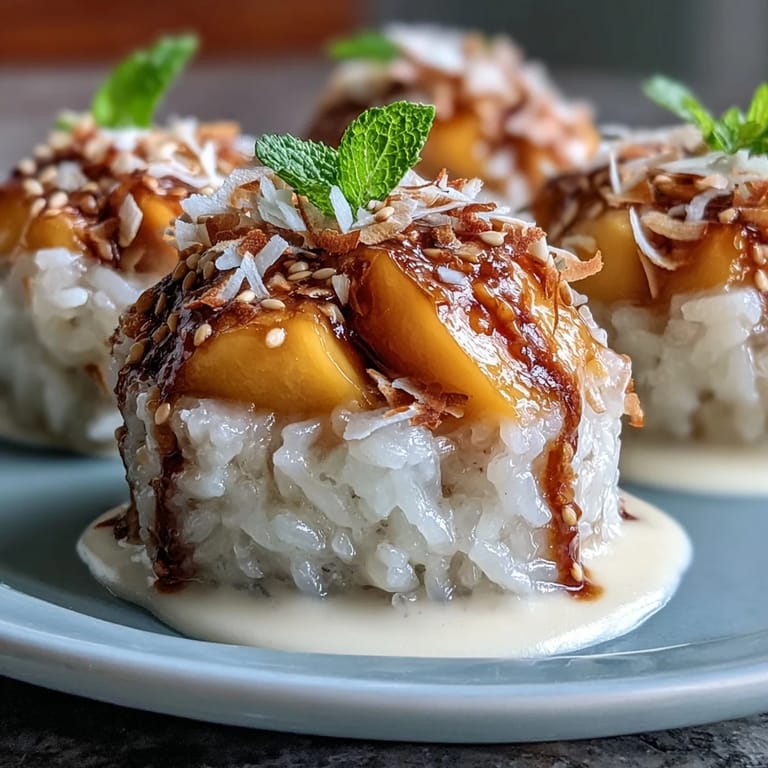
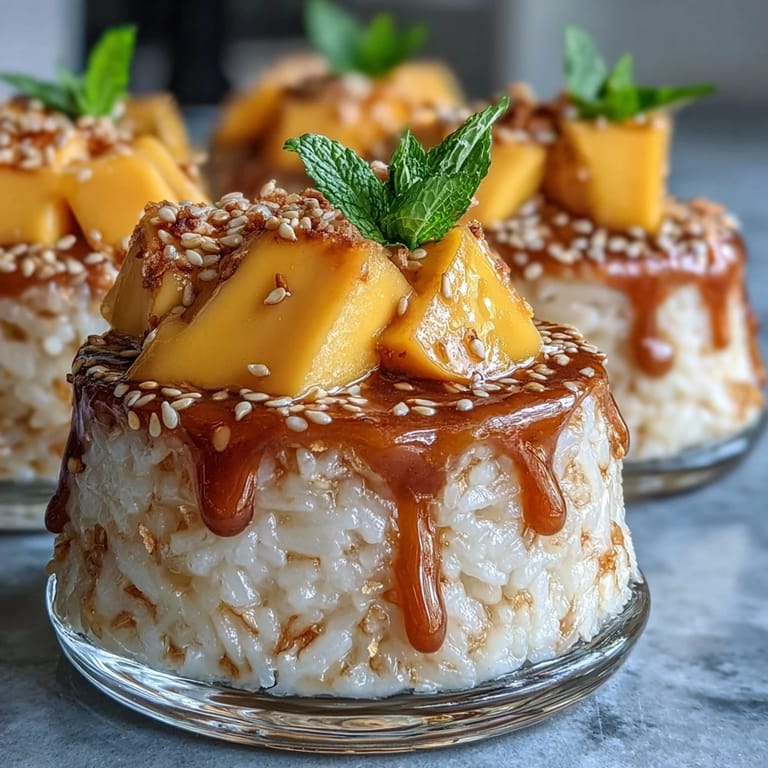
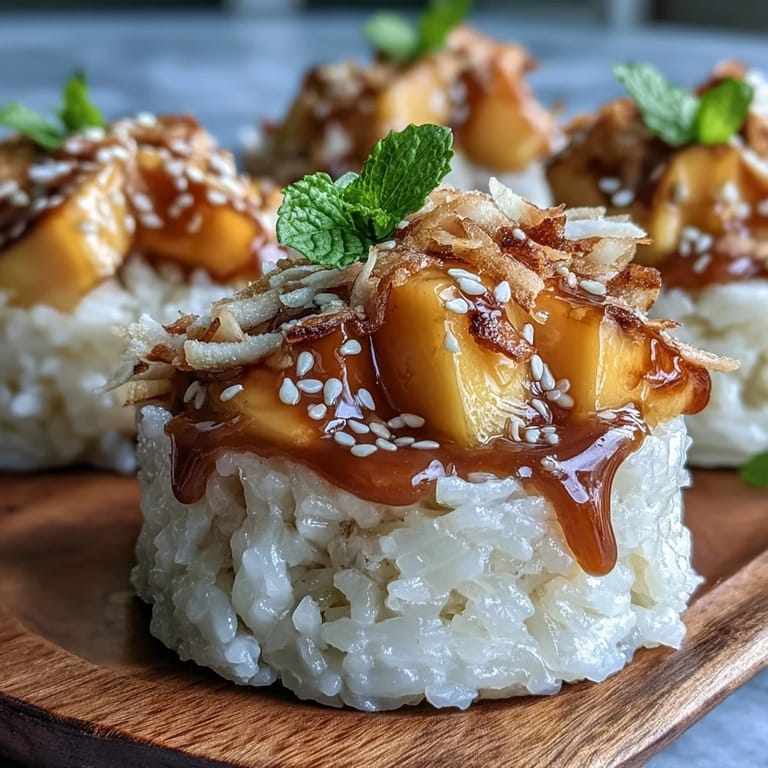
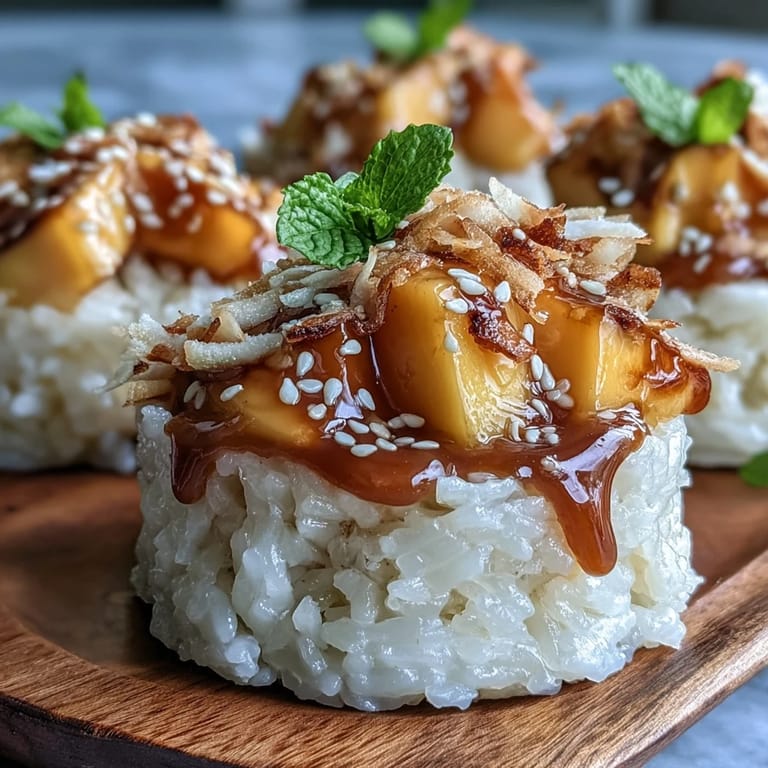
- Spoon warm sticky rice into the bottom of each dessert cup, then crown with generous slices of ripe mango. Finish with a glossy drizzle of the reserved coconut sauce.
- Garnish and Serve:
- Sprinkle toasted sesame seeds or mung beans and maybe a sprig of mint. Serve warm or at room temperature and let everyone marvel at how pretty (and delicious) dessert can be.
 Pin It
  Pin It
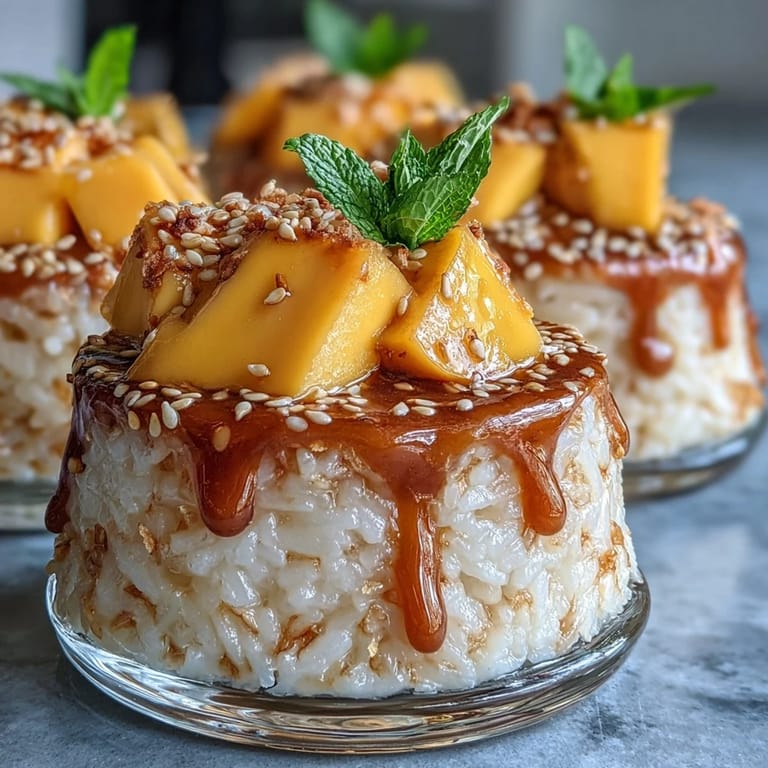
 After a quiet Sunday dinner with family, I set out these Mango Sticky Rice Cups and watched everyone’s eyes go wide at the colors. When my dad polished off his cup and quietly asked for seconds, I knew this dessert turned into a little memory worth savoring.
Getting Ahead with Prep
If you’re juggling dinner party tasks, go ahead and make the sticky rice and coconut sauce earlier in the day. Just reheat gently so everything’s creamy and ready for assembly right before serving.
Choosing the Perfect Mango
Scent is everything—if you catch a whiff of sweetness from the mangoes before even peeling, you’re in for a treat. Chilling the fruit for a bit before slicing can also help the pieces keep their shape and contrast beautifully with warm rice.
Serving and Storing Tips
I learned the hard way not to leave assembled cups in the fridge for too long—the rice dries out and the mango’s magic dulls. For best results, build the cups just before serving, but cooked sticky rice and coconut can be kept covered and ready ahead.
- Always keep coconut milk stirred for the smoothest sauce.
- Try pandan extract in the rice for an extra hit of fragrance.
- Garnish right at the table for the prettiest presentation.
 Pin It
  Pin It
 Whether you’re sharing these cups with friends or treating yourself to a quiet indulgence, may each spoonful bring you a bit of happiness and sunshine. It’s the easiest way to invite a taste of Thailand right into your home.
Recipe FAQs
- → How long should I soak the glutinous rice?
Soak for at least 30 minutes to an hour if possible; soaking shortens cooking time and helps achieve a tender, slightly sticky texture. If pressed for time, rinsing well and a slightly longer simmer can help.
- → Can I use regular rice instead of glutinous rice?
Regular long-grain rice won't develop the same sticky, chewy texture. For the characteristic cling and creaminess, glutinous (sticky) rice is recommended.
- → What coconut milk works best?
Use full-fat coconut milk for richness and a silky mouthfeel. Shake or stir canned coconut milk to incorporate solids and liquids before measuring for consistent results.
- → How do I know when the rice is done?
The grains should be tender and slightly sticky but still hold their shape. After the water is absorbed, let the pot rest covered for 10 minutes to finish steaming and firm up the texture.
- → Can I substitute the mango with other fruit?
Yes — ripe tropical fruits like papaya, lychee, or pineapple work well. Choose fruit that’s ripe and not overly watery to keep the rice from becoming soggy.
- → What’s the best way to reheat or make ahead?
Prepare the rice and coconut sauce ahead, store chilled, and gently warm the rice in a saucepan with a splash of coconut milk before assembling. Assemble just before serving for the best texture.