 Pin It
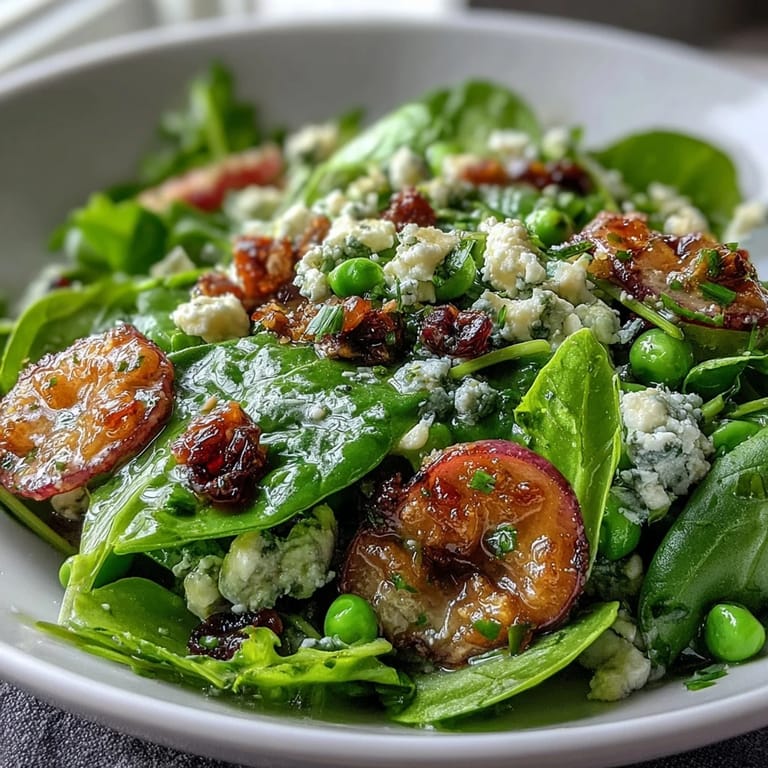
 There's something about April that makes me crave green things—actual green, not the pale imitation from winter storage. I was standing at the farmers market, overwhelmed by radishes so crisp they practically squeaked, when an older woman next to me started building a salad in her head out loud. She grabbed peas, greens, a lemon, and walked away humming. That casual confidence stuck with me, so I went home and recreated what I'd half-heard, which turned into this salad that somehow tastes like the exact moment spring decides to show up.
My partner once ate this salad three nights in a row without complaint, which in our house is basically a love letter. He said it reminded him of eating outside in Copenhagen, which he's never done, but I think that's what good spring food does—it makes you remember places you haven't been yet. Now whenever someone visits and says they want something light but actually filling, this is what appears on the table.
Ingredients
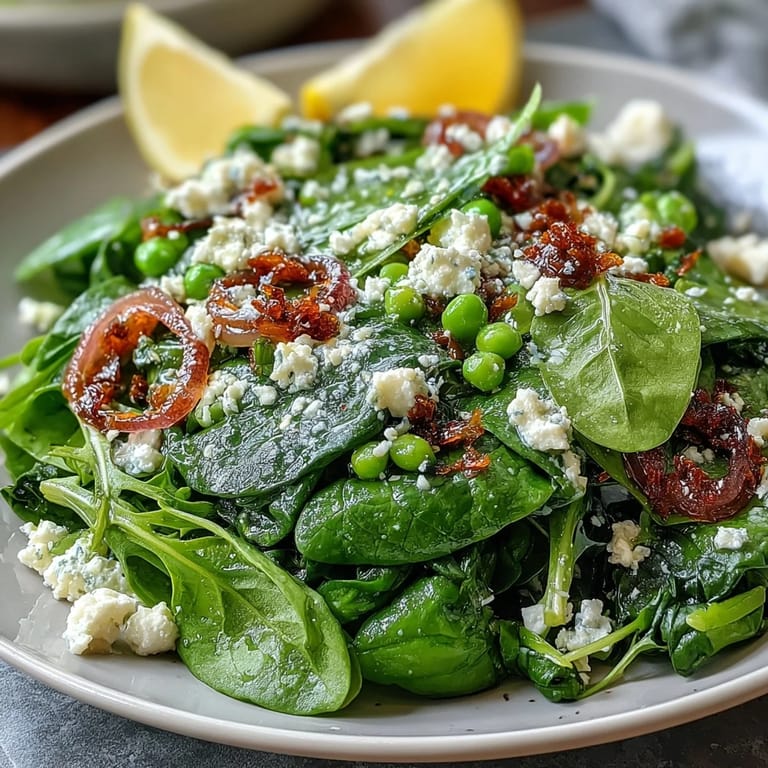
- Mixed spring greens: Use arugula, baby spinach, and watercress in equal parts if you can find them—the bitterness from arugula and watercress is what makes this sing, not just the soft spinach alone.
- Sugar snap peas: Slice these on the diagonal because it sounds fancy but also because it lets the vinaigrette coat more surface area and makes each bite more tender.
- Fresh green peas: If you're using frozen, thaw them completely and pat them dry so they don't water down the dressing.
- Radishes: Slice them paper-thin—this is where that sharp knife matters—because thick radish slices are tough and almost mean, but thin ones are bright and assertive.
- Red onion: A quarter of a small one is the line between flavor and aggression; don't skip the thinness part or you'll bite into a raw onion situation.
- Extra virgin olive oil: This is one of those salads where the oil actually matters because there's nothing to hide behind, so use something you'd actually taste on its own.
- Fresh lemon juice: Bottled will work if you're in a pinch, but fresh makes the difference between zippy and one-dimensional.
- Lemon zest: Finely grate it right before making the vinaigrette so you get those little bright flecks that catch on your tongue.
- Dijon mustard: Acts as an emulsifier so your oil and lemon juice actually stay together instead of giving up halfway through.
- Honey: Just enough to round out the sharp edges without making anything sweet.
- Sea salt and black pepper: Season to taste at the end because vinaigrette needs more seasoning than you'd think.
- Fresh chives: Slice them just before serving so they stay bright green and don't turn dark and sad.
- Feta cheese: Optional but brings a creamy salty thing that plays well with the acid and crunch.
Tired of Takeout? 🥡
Get 10 meals you can make faster than delivery arrives. Seriously.
One email. No spam. Unsubscribe anytime.
Instructions
- Build your base:
- Toss all the vegetables together in a large bowl—greens, both kinds of peas, radishes, and red onion—but don't add the dressing yet. This step takes maybe two minutes and there's something satisfying about seeing all those colors together before they get dressed.
- Make the vinaigrette:
- In a small bowl or jar, whisk the olive oil with lemon juice, zest, mustard, honey, salt, and pepper until it looks emulsified—creamy and slightly thickened rather than separated. Taste it and adjust; it should make your mouth water a little bit.
- Dress gently:
- Drizzle the vinaigrette over the salad and toss with a light hand, turning the vegetables so everything gets coated but nothing gets bruised or broken down. This is not the time to be aggressive.
- Plate and finish:
- Transfer to a serving platter or individual bowls, scatter the chives across the top, and add feta if you're using it. Serve immediately while everything is still crisp.
 Pin It
 There was a moment last May when I served this to some friends who'd shown up unannounced, and someone asked if I'd catered it because it looked too put-together to be spontaneous. I hadn't, and that's when I understood that simple food made with intention reads as fancy, even when you threw it together while still in your work clothes. That's the real gift of a salad like this.
The Art of the Vinaigrette
A good vinaigrette is just an argument between fat and acid, mediated by salt and a little sweetness. The mustard is doing the actual work of keeping everything together instead of separating into oil and juice like it's tired of the relationship. Whisking it vigorously, or shaking it hard in a jar, matters more than you'd think—you're creating an emulsion, which is just a fancy way of saying you're forcing two things that don't want to mix to actually get along. Once you understand this, you can make vinaigrette for almost any salad and stop buying the bottled stuff that tastes like regret.
Spring Vegetables, Actually
Spring isn't just a season; it's a specific moment when vegetables taste like themselves instead of like the idea of themselves. Radishes in July are different creatures than radishes in April—they're spicier, more defensive. Sugar snap peas lose their sweetness as soon as June arrives and it gets hot. This salad is built for that narrow window when peas are still tender and radishes are still gentle, so chase that window instead of trying to make spring vegetables work in August. Your mouth will know the difference even if your brain doesn't.
Variations and Why They Matter
This salad is forgiving in ways that matter. You can swap the greens around depending on what looks good at the market—tender lettuces work fine, microgreens make it fancier, even regular spinach won't ruin anything. The vegetables are more flexible than you'd think; swap radishes for shaved fennel, add shredded carrots, throw in some thinly sliced cucumber. The lemon vinaigrette anchors everything, so the salad stays cohesive even as you play around.
- For crunch without dairy, add toasted sunflower seeds, sliced almonds, or even crushed pistachios instead of feta.
- If you want it heartier, add grilled chicken, smoked salmon, or even some white beans to make it feel like lunch instead of a side.
- This pairs with almost any wine but tastes especially good with crisp whites like Sauvignon Blanc or a light Pinot Grigio.
 Pin It
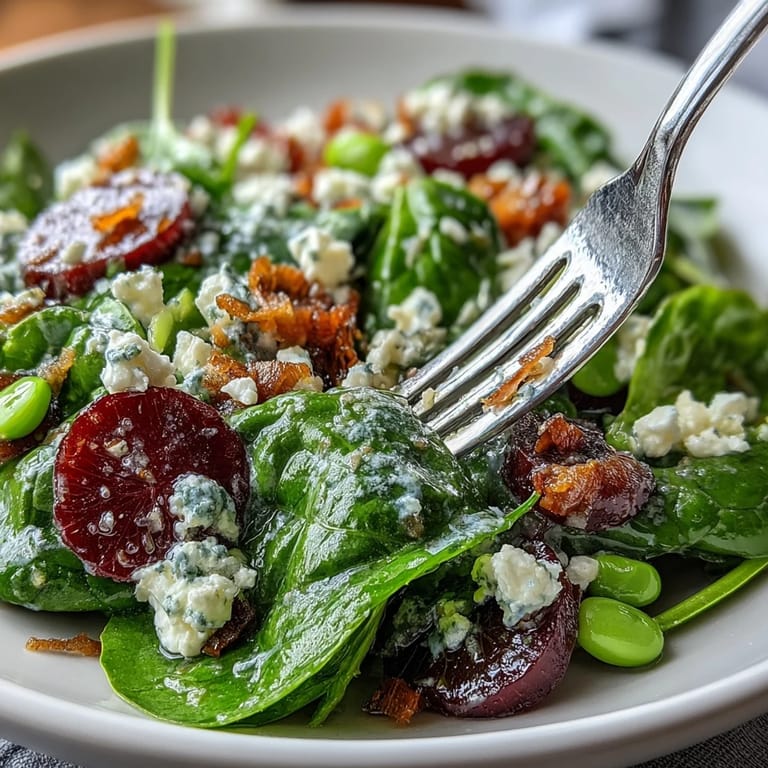
 This salad has become the thing I make when I want to prove to myself that spring actually arrived. It's simple enough that it never feels like work, but considered enough that you taste the care in it.
Recipe FAQs
- → What fresh ingredients add crunch to this salad?
The salad includes thinly sliced radishes, sugar snap peas, and green peas, all contributing a fresh and crunchy texture.
- → How is the lemon vinaigrette prepared?
The vinaigrette is made by whisking extra virgin olive oil, fresh lemon juice, lemon zest, Dijon mustard, honey, sea salt, and black pepper until emulsified.
- → Can this salad be adapted for a vegan diet?
Yes, by omitting the crumbled feta cheese or substituting with a plant-based alternative, the salad remains vegan-friendly.
- → What garnish options enhance the salad's flavor?
Freshly chopped chives add a mild oniony note, while optional crumbled feta cheese delivers creamy, salty richness.
- → What pairings complement this bright lemon vinaigrette salad?
This salad pairs well with grilled chicken or salmon and a crisp Sauvignon Blanc for a balanced meal experience.