 Pin It
 My daughter came home from school one afternoon with a crumpled permission slip for a field trip, and I realized I'd been packing the same sad sandwich in her lunchbox for weeks. That night, I stood in front of our open fridge, thinking there had to be something more exciting—something that didn't get soggy by noon. I grabbed a container, some hummus, and whatever vegetables looked fresh, layered them with care, and sealed it shut. The next day she came home with an empty cup and a smile, asking if I could make them again. That's when I knew I'd stumbled onto something special.
I remember sitting on a picnic blanket at the park last summer, watching my niece dip carrot sticks into hummus while her friends gathered around, asking where she'd gotten such cool snacks. There was something about the simple act of standing those vegetables upright in the cup, like little edible soldiers at attention, that made the whole thing feel intentional and special. She felt proud, and honestly, so did I.
Ingredients
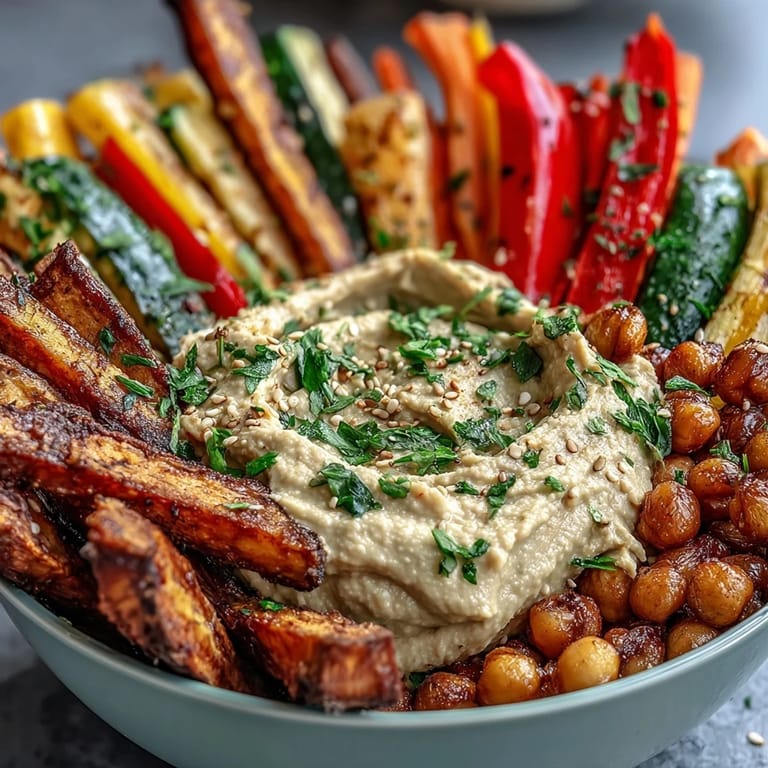
- Hummus: The creamy foundation that holds everything together—use store-bought if you're short on time, but a homemade batch with extra garlic and lemon elevates the whole experience.
- Carrots: Their natural sweetness and satisfying crunch make them almost addictive, and the bright orange feels cheerful in the cup.
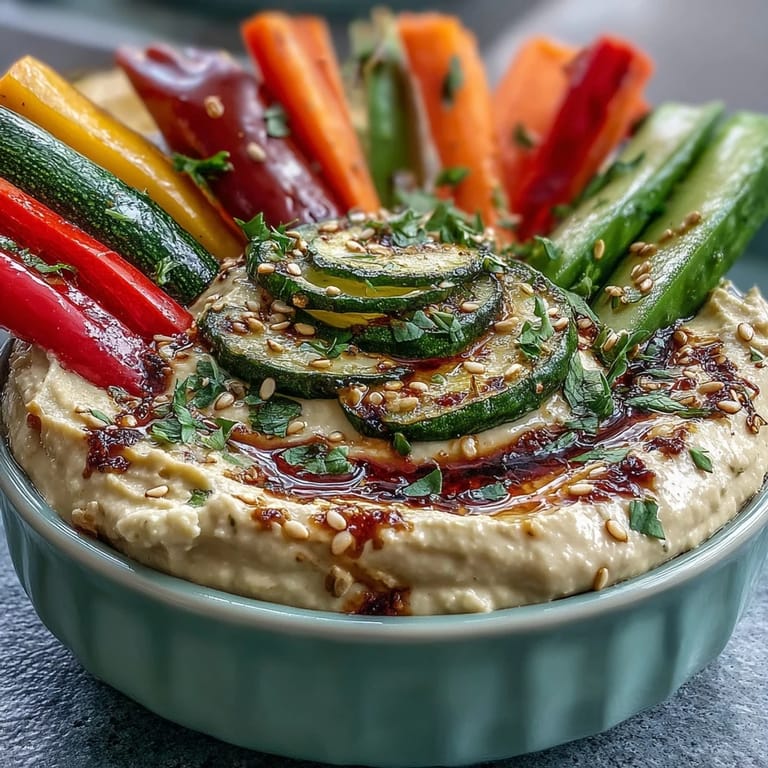
- Cucumber: Cool, refreshing, and substantial enough to actually feel like you're eating something real.
- Red and yellow bell peppers: These add both color and a subtle sweetness that balances the savory hummus perfectly.
- Snap peas: They're pre-portioned by nature and taste like eating spring itself.
- Cherry tomatoes: Choose ones that are still slightly firm—they'll hold up better during travel and add bursts of juicy flavor.
- Celery and jicama (optional): Celery brings a nostalgic crunch, while jicama is like a secret weapon if you want something unexpected and slightly sweet.
Tired of Takeout? 🥡
Get 10 meals you can make faster than delivery arrives. Seriously.
One email. No spam. Unsubscribe anytime.
Instructions
- Wash and prep your vegetables:
- Rinse everything under cool water and pat dry—moisture is your enemy if these cups are going to travel. Cut your carrots, cucumber, and bell peppers into sticks about three to four inches long, keeping them uniform so they stand nicely.
- Portion the hummus:
- Spoon about a quarter cup of hummus into each small cup or jar, creating a small well in the center where the vegetables will nestle. Press it down gently so it's stable and ready to hold your sticks.
- Arrange your vegetables:
- Stand the longer sticks upright in the hummus, arranging them in a small circle so they're easy to grab and dip. Tuck the smaller pieces like snap peas and cherry tomatoes between the larger sticks for a full, abundant look.
- Seal and store:
- Pop the lids on tight and refrigerate until you're ready to go—these stay fresh for up to two days, though they're best eaten within twenty-four hours when the vegetables are at their crispest.
 Pin It
 There's a quiet magic in watching someone bite into a vegetable they'd normally push to the side of their plate, but suddenly want because it's standing in hummus in a cool little cup. It stops being about nutrition and becomes about the experience, about feeling like you matter enough for someone to pack lunch with intention.
Flavor Variations That Keep Things Interesting
The beauty of these cups is that they're endlessly customizable depending on your mood and what's in season. I've sprinkled hummus with sumac in summer, swirled in harissa for a little heat, and drizzled everything with really good olive oil when I wanted to feel fancy. The vegetables shift too—in fall I add roasted beets and blanched green beans, in spring fresh radishes and asparagus tips, keeping the same format but completely different flavor every time.
Storing and Traveling Smart
The real secret to these holding up during travel is choosing the right container—I've learned that glass jars with tight-fitting lids work far better than flimsy plastic cups that crack or let air in. A cooler pack tucked beside the cup keeps everything at the perfect temperature, and the hummus acts as an insulator, keeping the vegetables cool even on warm days. I've packed these for long car rides, airplane trips, and full days at the beach, and they've never let me down.
When You Want to Make Them More Substantial
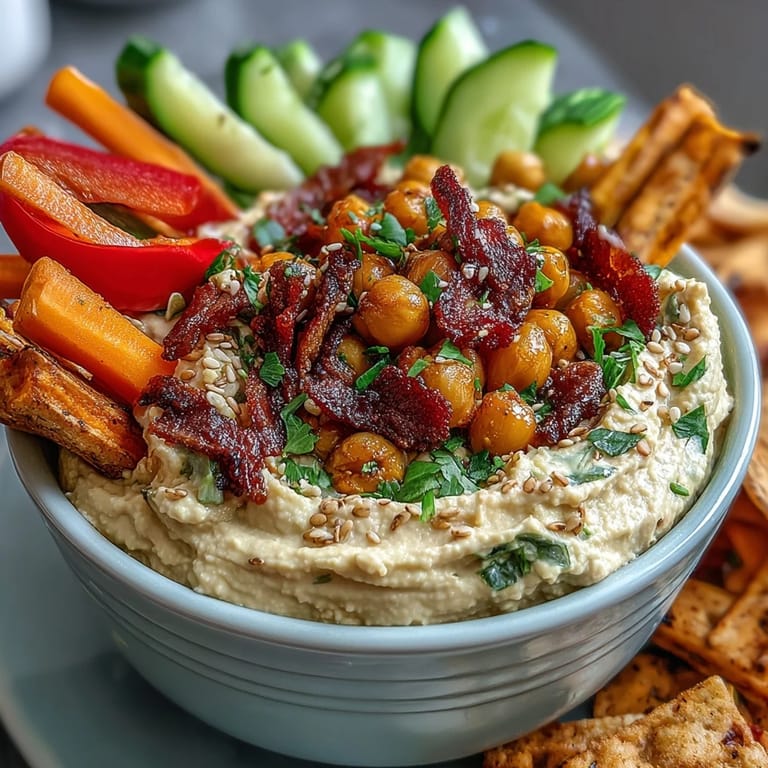
Sometimes these snack cups feel perfect as is, but other times I want them to feel more like a light lunch or substantial snack. Adding a few cubes of feta or halloumi (if you're not dairy-free), some marinated tofu, or even hard-boiled egg pieces transforms them into something that keeps you full. I've also started tucking a small container of nuts or seeds on the side—sunflower seeds, pumpkin seeds, or even a few candied pecans add protein and that satisfying density that makes you feel genuinely satisfied.
- Roasted chickpeas sprinkled over the top add a crunchy, protein-packed element that transforms the whole cup.
- A drizzle of tahini mixed into the hummus deepens the nutty flavor and makes it feel more decadent.
- Fresh herbs like mint or cilantro tucked between the vegetables add brightness and make everything taste fresher.
 Pin It
 These snack cups have become my answer to so many moments when someone needs food that's both nourishing and thoughtful. They're proof that sometimes the best things we cook aren't complicated—they're just made with a little care and the understanding that food is about connection.
Recipe FAQs
- → How should the vegetables be prepared?
Wash thoroughly and cut into sticks or bite-sized pieces to make dipping easy and convenient.
- → Can I use store-bought hummus for these cups?
Yes, store-bought or homemade hummus works well for this snack, just check allergen information if needed.
- → How long can these snack cups be stored?
Store in the refrigerator and consume within 2 days for peak freshness and flavor.
- → Are there ways to add extra flavor to the cups?
Sprinkle with paprika, zaatar, or a drizzle of olive oil before adding vegetables for an added flavor boost.
- → Can these be adapted for different dietary needs?
Yes, they are naturally vegetarian, gluten-free, and dairy-free; add tofu or cheese sticks if not dairy-free for additional protein.