 Pin It
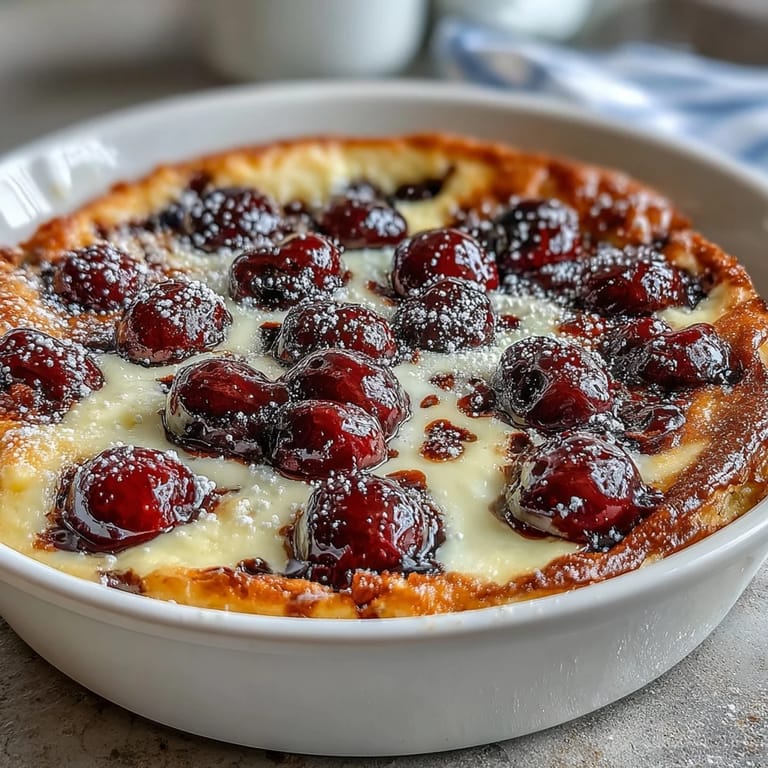
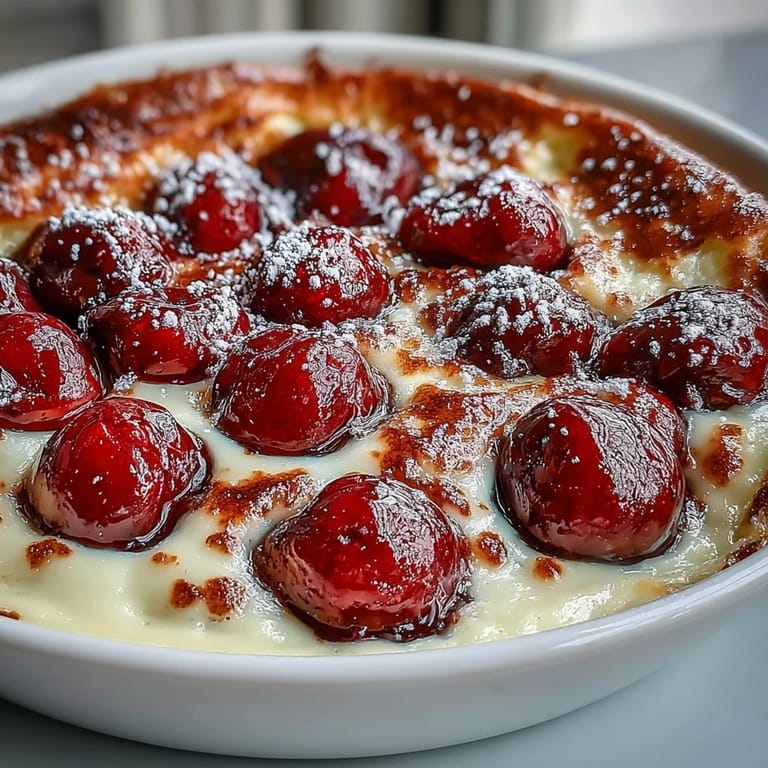
 Cherry clafoutis always brings to mind the sound of cherries tumbling into a ceramic dish on a summer afternoon. The first time I made it, I let the vanilla bean infuse my fingers and the kitchen, feeling impatient for the custard to set. There is something suspenseful about watching the batter puff up in the oven as the sweet scent drifts through the house. This dessert calls for few ingredients, but each seems to shine brighter because of the simple preparation. You barely need to fuss—nature and a good oven do the heavy lifting.
One drizzly Sunday, my friends came over unexpectedly with a bag of just-picked cherries—rain dripping from their hair and laughter in the air. We pitted cherries together with stained hands, and the clafoutis baked as we talked, filling the flat with a warm, heady perfume. Somehow, that afternoon felt like a quiet celebration snatched from gray weather. It's still the first dessert I think to make for surprise guests. Watching the batter rise while everyone argues over coffee or wine has become its own summer ritual.
Ingredients
- Fresh sweet cherries: Look for dark, plump cherries for best flavor; pitting them is a sticky job, but worth it for every juicy bite.
- Eggs: Room-temperature eggs create a fluffier, smoother custard—let them sit out while you prep your fruit.
- Granulated sugar: Beat it with the eggs for a lighter, almost mousse-like texture in the finished dish.
- Vanilla bean: Scrape in every speck for those tiny black flecks and a deeply aromatic custard; if you use extract, add it at the end.
- All-purpose flour: Sift it if you can—lumps will mess with the custard's silky finish.
- Salt: Just a pinch wakes up all the other flavors—don't skip it!
- Whole milk: The base of the batter; whole milk gives that rich stretch between custard and pancake.
- Heavy cream: Adds indulgence and softens the batter's bite—don't overmeasure or it may not set fully.
- Unsalted butter: A little melted into the batter, and some for greasing the dish, keeps everything lush and prevents sticking.
- Powdered sugar: Sifted on right before serving, it melts into every bump and dip for a sweet finish.
Tired of Takeout? 🥡
Get 10 meals you can make faster than delivery arrives. Seriously.
One email. No spam. Unsubscribe anytime.
Instructions
- Get everything ready:
- Preheat your oven to 180°C (350°F) and generously butter a 24 cm baking dish, making sure to coat every edge.
- Arrange the cherries:
- Scatter all the pitted cherries in a single, even layer—they'll look almost like shiny red marbles.
- Mix your batter:
- In a mixing bowl, whisk the eggs and sugar together until pale and slightly thick; let your wrist get tired for that fluffy texture.
- Add vanilla and dry ingredients:
- Stir in the vanilla bean seeds, then sift the flour and salt over the bowl; whisk until completely smooth with no streaks left.
- Finish the batter:
- Slowly pour in the milk, heavy cream, and melted butter, whisking all the while, until you have a satin-like liquid with no lumps.
- Assemble and pour:
- Pour the finished batter gently over the cherries, letting it settle around every piece of fruit.
- Bake the clafoutis:
- Bake on the middle rack for 35–40 minutes; the top will turn golden and the middle should jiggle just a bit when nudged.
- Rest and dust:
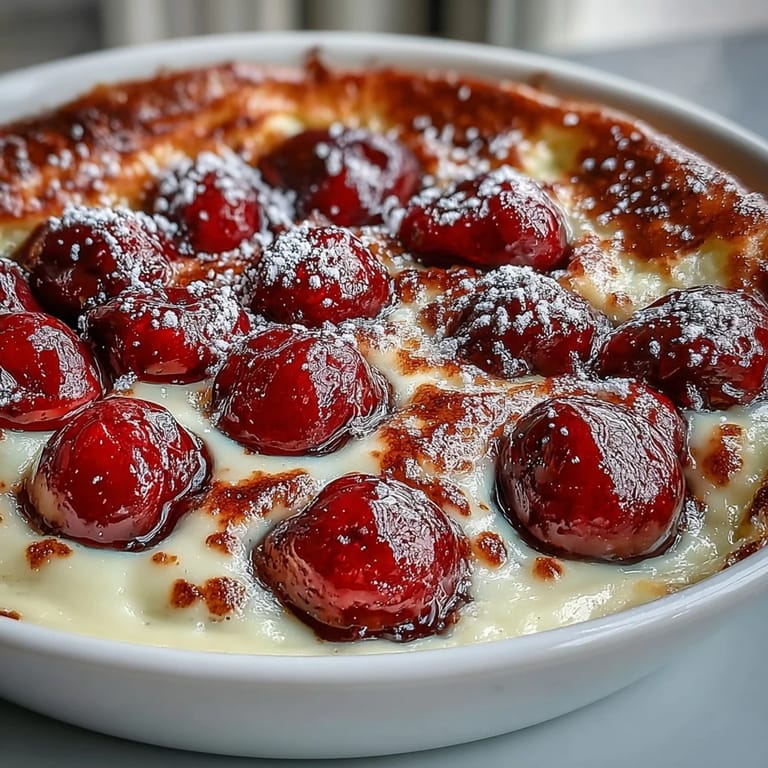
- Let it cool for about 15 minutes so the custard firms up; give a dense snowfall of powdered sugar right before serving.
- Serve:
- Serve the clafoutis warm or at room temperature, straight from the dish or in rustic wedges.
 Pin It
  Pin It
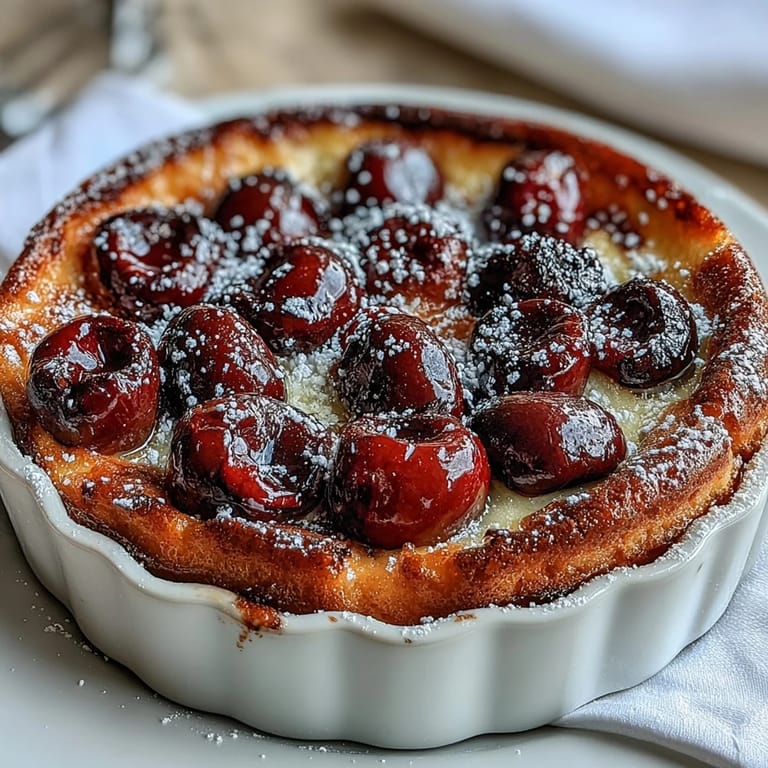
 The first time I served clafoutis to my mother, she grinned at the golden edge and picked at every leftover cherry in the pan with her fingers. In that moment, I realized this dessert is meant for sharing—never for perfection. Its slightly uneven beauty reminded us both that simple things are often best enjoyed together, preferably still warm from the oven.
Choosing Your Cherries
After a few attempts, I noticed that the best clafoutis comes from cherries that are both sweet and just a little tart. If your cherries are especially juicy, toss them with a touch of flour before baking so the custard won't get watery. And if you ever forget to pit them all, well, it gives everyone something to talk about at the table.
Getting That Vanilla Right
Using a fresh vanilla bean is worth every extra moment spent scraping out the sticky seeds. The aroma as they dissolve into the warm batter is what sets this apart from shortcuts. If you need to use extract instead, wait to add it at the very end so you don't lose any flavor in the oven.
Making It Ahead and Serving
Clafoutis is best still warm but also tastes lovely the next day, chilled straight from the fridge. If you plan to make it ahead, resist the urge to dust with powdered sugar until just before serving so the top stays pretty instead of dissolving. You can also try swapping in sliced apricots or plums for a different twist—just watch the baking time as softer fruit cooks down faster.
- Remember to use a sifter or mesh for the final sugar dusting.
- Let the batter rest for a few minutes while arranging the cherries for an even bake.
- Don't stress about perfection—every clafoutis is a little rustic by nature.
 Pin It
  Pin It
 Making cherry clafoutis never fails to make summer feel special, even if only for an afternoon. I hope it brings a little extra lightness to your own table, no matter the weather outside.
Recipe FAQs
- → Do I need to pit the cherries?
Pitting makes the clafoutis easier and safer to eat; leaving pits in yields a subtle almond note but can be surprising for guests. Choose based on texture and flavor preference.
- → How do I know when the clafoutis is done?
It should be puffed and lightly golden at the edges, with the center just set and a slight jiggle. A toothpick will come out mostly clean with a few moist crumbs.
- → Can I use frozen cherries instead of fresh?
Yes—thaw and drain them well and pat dry to avoid excess liquid. You may need a slightly longer bake to evaporate extra moisture, but the texture will remain custardy.
- → What substitutions work for dairy or gluten?
Swap whole milk and cream for a creamy plant milk (oat or full-fat almond) and use a 1:1 gluten-free flour blend in place of all-purpose flour. Expect a modest change in texture but similar flavor.
- → How should I store and reheat leftovers?
Cover and refrigerate for up to 2–3 days. Reheat gently in a 160°C oven until warmed through to preserve the custard's texture; the microwave can make it rubbery.
- → Can I use other stone fruits instead of cherries?
Yes, apricots, plums or halved peaches work well. Adjust fruit size and spacing so the batter can surround each piece; baking time may vary slightly with juicier fruit.