 Pin It
 There's something magical about the moment butter hits hot tomato sauce—that instant when the acidity softens and the whole kitchen smells like comfort. I discovered this trick years ago when I was rushing to make dinner and had exactly ten minutes before everyone arrived hungry. No fresh tomatoes, no time for simmering, just what was already in my cabinet and the kind of desperation that leads to happy accidents. That sauce turned out to be velvety and rich in a way that made people ask what took me so long to make it, and I've been keeping the secret ever since.
I made this for my sister one rainy Sunday when she mentioned craving Italian food but we had zero plans. We threw together pasta while the sauce bubbled away, and by the time she twirled her first fork, she was convinced I'd been hiding some culinary talent she never knew about. The best part was watching her face when I told her the whole thing took less time than the water took to boil. She now makes it constantly and never lets me forget that I ruined store-bought marinara for her forever.
Ingredients
- Tomato sauce: Plain and unsalted if you can find it, because you're building the flavor yourself and don't need competing salt decisions from the can.
- Unsalted butter: The real MVP here—it emulsifies into the sauce and creates that silky, luxurious texture that makes people think you know what you're doing.
- Garlic powder: A teaspoon does the heavy lifting for garlic presence without any chopping or mincing required.
- Salt and black pepper: Simple seasonings that you'll adjust at the very end because tasting as you go is how you avoid regret.
- Heavy cream: Optional but transforms the sauce into something restaurant-quality if you have it on hand.
- Dried Italian herbs: Basil and oregano whisper in the background and round out the whole flavor profile beautifully.
Tired of Takeout? 🥡
Get 10 meals you can make faster than delivery arrives. Seriously.
One email. No spam. Unsubscribe anytime.
Instructions
- Gather and measure everything:
- Pour your tomato sauce into a medium saucepan and have the butter, garlic powder, salt, and pepper within arm's reach. When things move this fast, you don't want to be hunting through the pantry mid-cook.
- Start the transformation:
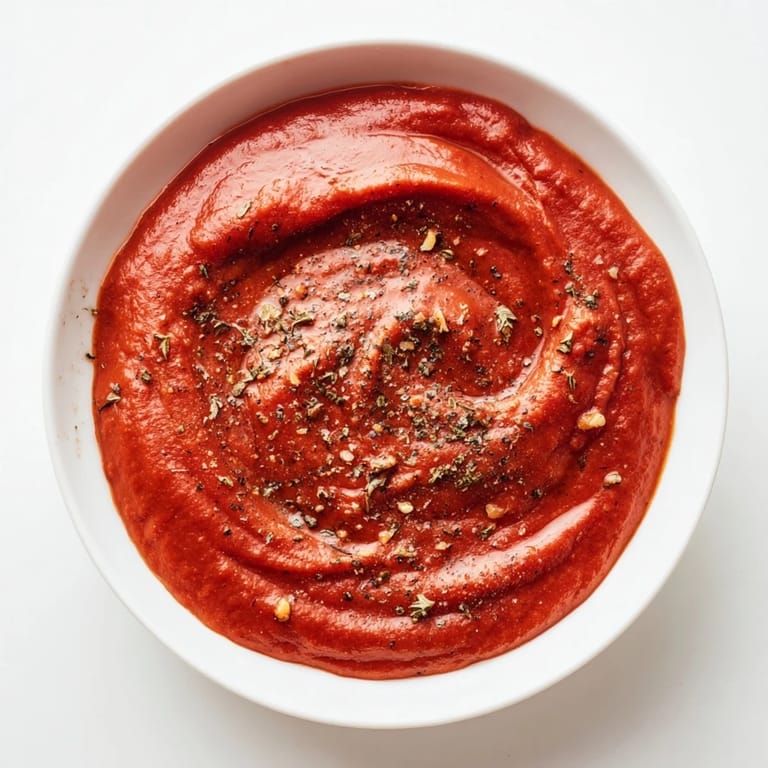
- Set the heat to medium and add the tomato sauce and butter together. As the butter melts into those warm tomatoes, you'll watch the sauce turn silky and catch that first whiff of something really good happening.
- Let it simmer and meld:
- Stir occasionally and let the whole thing warm through for about five minutes until it's gently simmering—you want lazy bubbles at the edges, not an aggressive boil. This is when the flavors start getting to know each other.
- Season carefully:
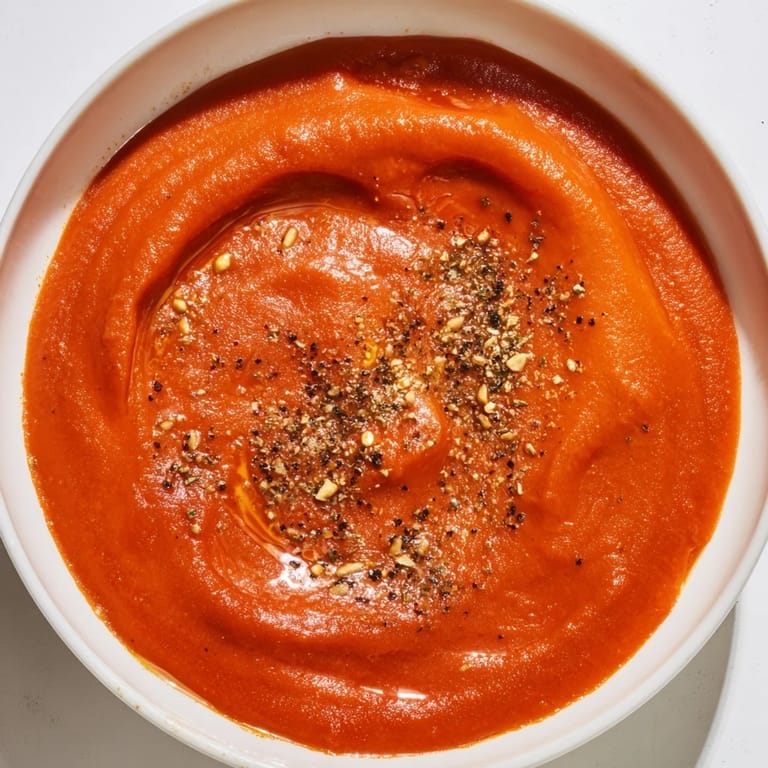
- Add the garlic powder, salt, and pepper, then stir well and taste it. You're the boss here, so adjust the seasoning until it tastes like something you'd actually want to eat.
- Optional richness:
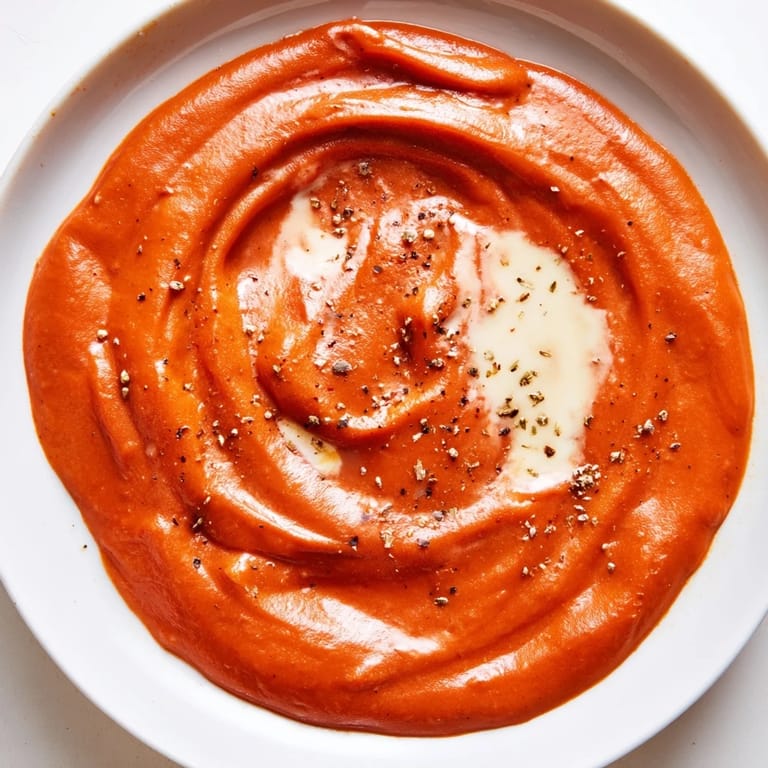
- If you're feeling it, pour in the heavy cream and stir in the dried herbs, then let everything simmer together for another two to three minutes. This step is where good becomes genuinely special.
- Finish and serve:
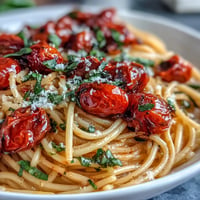
- Give it one last stir and a final taste adjustment, then serve it hot over pasta, use it as a pizza base, or dip bread into it while it's still steaming. The timing is yours—this sauce is ready whenever you are.
 Pin It
 One night my roommate came home with groceries and the aroma hit them immediately—they stood in the kitchen watching the sauce simmer and said it smelled like we'd been cooking all day. We hadn't, and somehow that made the whole evening feel more generous than it was. Simple food that tastes indulgent has a way of doing that.
The Magic of Butter in Tomato Sauce
Butter isn't just a luxury ingredient here—it's actually doing chemical work. The fat emulsifies with the tomato sauce and mutes the acidity, which is why people always ask if you added cream when you didn't. It's the difference between a bright, slightly sharp tomato sauce and one that feels velvety and rounded in your mouth. Once you understand this, you start adding butter to all your tomato-based dishes and everything improves.
Variations to Try
This base sauce is genuinely flexible, which is why it's become my go-to starting point. Add red pepper flakes if you want heat, or throw in a handful of fresh basil at the very end for brightness. Some nights I add anchovy paste or a splash of balsamic vinegar, other times I just keep it pure and let the tomato and butter speak for themselves. The recipe doesn't change much, but the results feel different depending on what mood you're in.
Storage and Make-Ahead
This sauce keeps beautifully in the refrigerator for up to four days, which means you can make it ahead and reheat whenever pasta happens. For longer storage, freeze it in ice cube trays so you have perfect single-serve portions whenever you need quick flavor. Just thaw and warm gently—the sauce actually improves as the flavors get better acquainted over time, which feels like a bonus you didn't earn.
- Store in an airtight container and let it cool completely before refrigerating to avoid condensation.
- Reheat gently over medium-low heat, adding a splash of water if it's thickened too much.
- For vegan versions, swap the butter with a quality plant-based alternative and skip the cream.
 Pin It
 Ten minutes of cooking and you've got something that tastes like you know what you're doing in the kitchen. That's worth holding onto.
Recipe FAQs
- → How long does it take to prepare the sauce?
Preparation and cooking combined take about 10 minutes, making it a quick option for meals.
- → Can I make this sauce dairy-free?
Yes, substitute butter with plant-based alternatives and omit the heavy cream to keep it dairy-free.
- → What tomato sauce works best for this dish?
Plain, unsalted tomato sauce is ideal; fire-roasted or San Marzano varieties add depth.
- → Is it possible to add extra spices?
Yes, adding red pepper flakes or dried Italian herbs enhances warmth and complexity.
- → How should leftovers be stored?
Keep refrigerated in a sealed container for up to four days to maintain freshness.