 Pin It
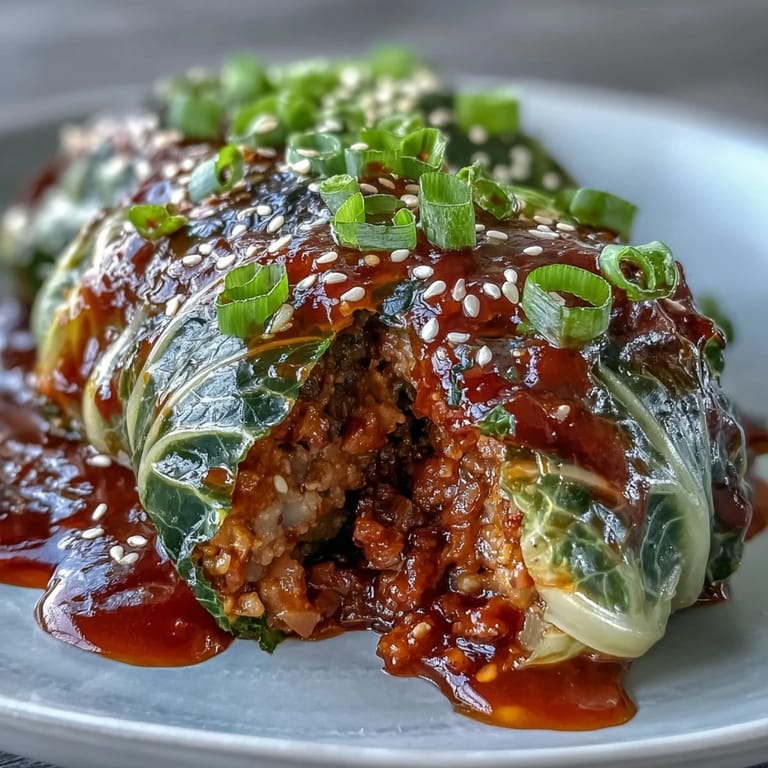
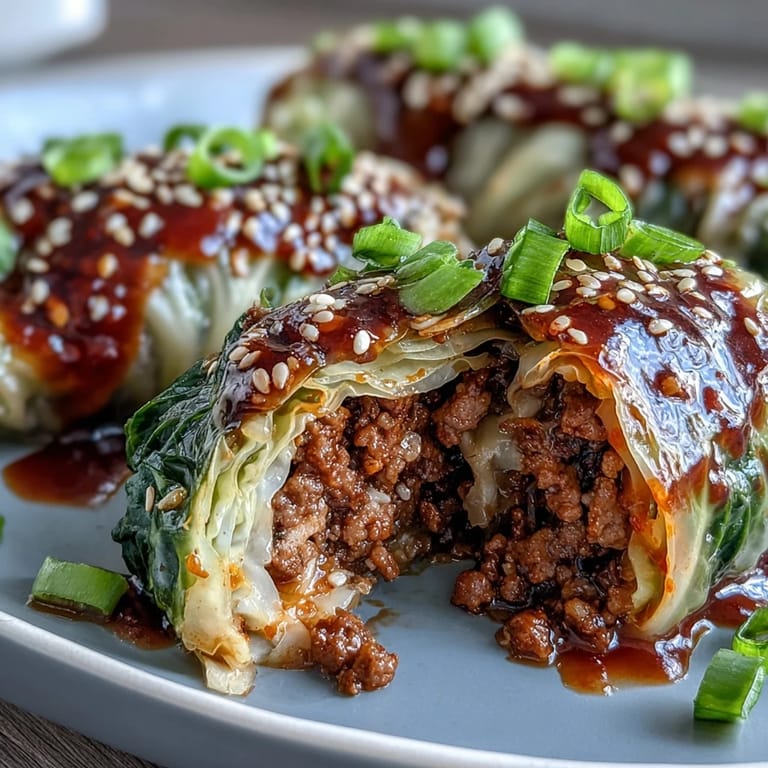
 The kitchen smelled like anticipation the first time I made these Korean Cabbage Rolls—steam drifting up, mingling with the fiery aroma of gochujang and toasted sesame. As I gently peeled each cabbage leaf, I found myself humming along to a favorite playlist, not rushed, just present. It's one of those recipes where the act of folding and rolling feels almost therapeutic, the motions simple but satisfying. By the time I plated them up, each roll felt like a little present, hiding a punchy, savory surprise within layers of softness.
One rainy evening, I invited a couple of friends over, promising a "surprise dinner." Rolling the cabbage leaves at the kitchen table, we passed around bowls of filling and debated the best way to fold them shut—it became a friendly competition of who crafted the tightest, neatest roll. Even the uneven ones tasted perfect after a quick steam, and laughter echoed louder than the bubbling pot. That night, what started as an ordinary meal became a cozy ritual, and the recipe was requested again before anyone left.
Ingredients
- 1 large head Napa cabbage (about 12 large leaves): Pick cabbage leaves without blemishes; blanche just long enough for pliability, never mushy.
- 500 g (1 lb) ground beef: Use lean beef for less greasy rolls; give it a quick fluff with a fork when mixing for tenderness.
- 2 green onions, finely chopped: The fresh bite cuts through the beefiness—slice on the bias for a prettier look.
- 2 cloves garlic, minced: Fresh garlic deepens the aroma; mince extra-fine so it melds into the filling.
- 1 small carrot, grated: Sneaks in sweetness and color; I rinse the carrot after grating to keep the filling light.
- 1 tbsp fresh ginger, grated: Ginger is the heart of the spice—don’t skip it or your kitchen will miss its zing.
- 2 tbsp gochujang (Korean chili paste): Adds signature heat and depth; scrape out every bit from your spoon—it’s that good.
- 1 tbsp soy sauce: Salty backbone; choose low-sodium if you’re sensitive or want to control saltiness.
- 1 tbsp sesame oil: Toasty and nutty—pour it over at the last moment of mixing for full fragrance.
- 1 tsp sugar: Balances the spice with a hint of sweetness, not enough to notice, but you'll feel it missing.
- 1/2 tsp black pepper: Ground fresh if possible for an added layer of warmth.
- 1 tbsp toasted sesame seeds: Scatter in and on top for crunch and visual appeal; toast them yourself for more aroma.
- For the Dipping Sauce:
- 2 tbsp soy sauce: The base—rich and salty.
- 1 tbsp rice vinegar: Gives brightness and makes the dip sing.
- 1 tsp gochugaru (Korean chili flakes): Spicy, but round; vary to the heat you love.
- 1 tsp sesame oil: Adds sheen and rounds out the sharp edges of flavor.
- 1 tsp honey: Just enough sweetness to make every bite balanced.
- 1 clove garlic, minced: Fresh, raw—expect a kick.
- 1 tsp toasted sesame seeds: Stir in right before serving for a little crunch in every dip.
Tired of Takeout? 🥡
Get 10 meals you can make faster than delivery arrives. Seriously.
One email. No spam. Unsubscribe anytime.
Instructions
- Prep the cabbage leaves:
- Boil a large pot of water and carefully separate the cabbage leaves, feeling the gentle snap as they pull away. Blanch each for just 1–2 minutes until soft but not torn, then shock them in cold water and pat each leaf dry.
- Mix the filling:
- Combine ground beef, green onions, garlic, grated carrot, ginger, gochujang, soy sauce, sesame oil, sugar, black pepper, and sesame seeds in a large bowl. Mix with your hands—don’t rush, let the spicy aroma envelop you, and make sure everything is evenly incorporated.
- Fill and roll:
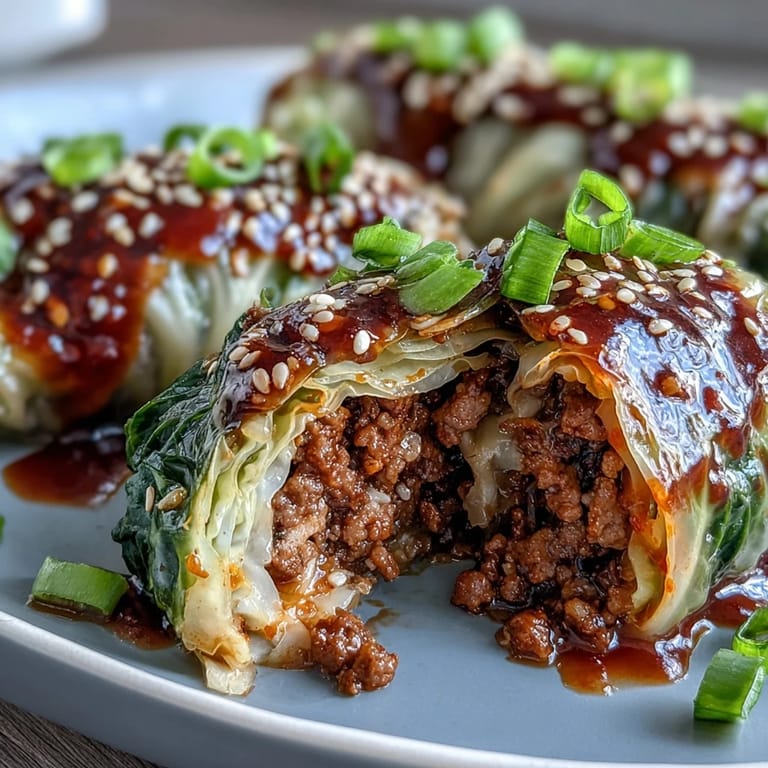
- Lay a leaf flat, spoon 2–3 tablespoons of filling near its base, fold in the sides, and roll up tight like a burrito. It’s okay if they look unique—each roll is its own personality.
- Steam the rolls:
- Set rolls seam-side down in a steamer basket over gently simmering water. Cover and steam 15–20 minutes until the beef is fully cooked, and the cabbage glows translucent.
- Make the dipping sauce:
- Stir soy sauce, rice vinegar, gochugaru, sesame oil, honey, garlic, and sesame seeds together in a small bowl. Taste and adjust—you want spicy, savory, and a hint of sweet.
- Serve and enjoy:
- Arrange the hot rolls on a platter and serve with a generous side of dipping sauce for dunking. If you have any left, they’re excellent cold from the fridge the next day.
 Pin It
  Pin It
 I still remember the light in everyone’s eyes the night we set a plate of these center-table, the steam wisping upwards as we reached across with chopsticks. For a moment, the chatter paused—just happy chewing and quiet nods, proof that sometimes a simple home-cooked meal speaks the loudest.
How to Make It Your Own
I started swapping in ground turkey once, and it gave the rolls a lighter feel that was perfect for spring gatherings. Sometimes I add chopped mushrooms for extra depth in the filling, or even tuck a little kimchi inside the roll for a brighter punch. Adapt the sauce to your own craving—more vinegar for sourness, more honey for mellow heat—and make it as adventurous or classic as you like.
What to Serve on the Side
These cabbage rolls pair well with hot steamed rice and crunchy kimchi—the warm and cool textures are a classic Korean combination that needs very little else. For gatherings, I like to serve a simple miso soup or a plate of quick-pickled cucumber slices. If you have leftovers, chop the rolls and toss them into fried rice for a whole new meal.
Allergy and Nutrition Notes
Since there’s soy and sesame in both the rolls and the sauce, I always check each ingredient label carefully if friends with allergies are joining. Swapping with tamari keeps it gluten-free for some guests, and you’d be surprised how well the flavors still shine. Each serving is satisfying but light—so you walk away full, not heavy.
- Allergens hide in ready-made sauces, so reviewing every label is crucial.
- If you swap protein, keep an eye on cooking time—turkey needs slightly less steaming.
- Resist overfilling the leaves—a little restraint makes for neater bites and no burst seams.
 Pin It
  Pin It
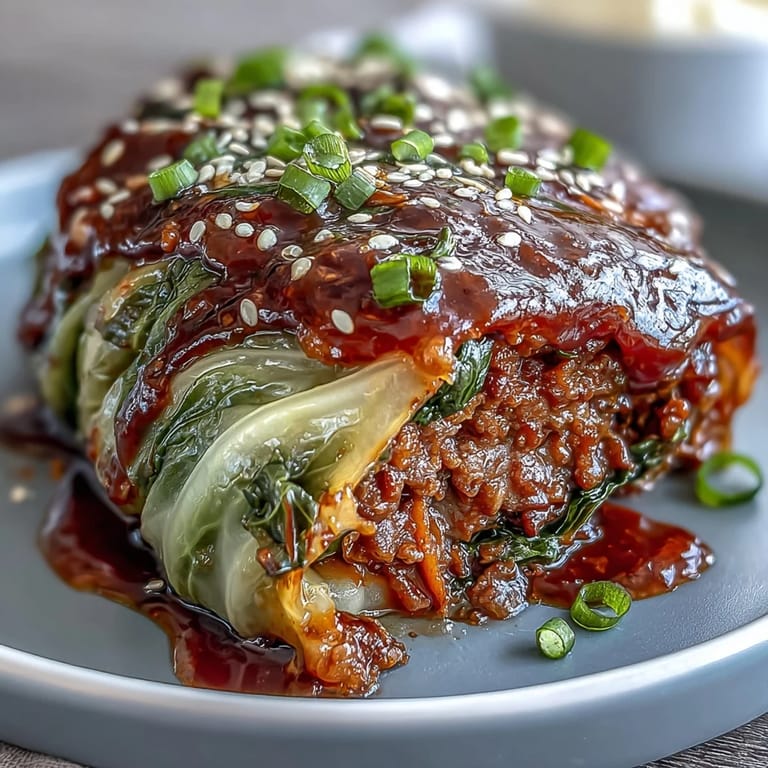
 Serving these brings warmth to any table, and the ritual of rolling becomes a calm kitchen meditation. I hope this dish gives you delicious bites and a few moments of surprise joy.
Recipe FAQs
- → Can I use another protein instead of beef?
Yes. Ground pork or turkey work well with the Korean seasonings; adjust cooking time slightly if pieces are larger. For a vegetarian option, try a firm tofu and shiitake blend seasoned similarly.
- → How do I prevent the leaves from tearing?
Blanch leaves 1–2 minutes until pliable, then cool in cold water and pat dry. Trim thick midribs or gently shave them so the leaf folds without splitting.
- → What’s the best way to steam the rolls evenly?
Arrange rolls seam-side down with a little space between them. Steam over simmering water, keeping the lid on and water at a gentle boil to ensure even cooking without toughening the meat.
- → How can I adjust the heat level?
Reduce the amount of gochujang and skip or halve the gochugaru in the dipping sauce. You can also add a touch of sugar or honey to balance spiciness.
- → Can I make these ahead and reheat?
Yes. Prepare and steam the rolls, then cool and refrigerate in an airtight container up to 2 days. Reheat gently in a steamer or in the oven covered with foil to retain moisture.
- → What sides pair well with these rolls?
Steamed rice and simple banchan like kimchi, pickled cucumbers or lightly seasoned spinach complement the savory, spicy flavors and round out the meal.