 Pin It
 My kitchen smelled like sesame and maple the night my neighbor stopped by unannounced, drawn in by the aroma wafting through our shared wall. I was testing a new salmon recipe, one that promised the unlikely marriage of sweet maple syrup and savory soy sauce, and within twenty minutes I had a dinner that looked far more impressive than the minimal effort it required. She asked for the recipe before even sitting down, which told me everything I needed to know about whether this dish was worth keeping in rotation.
I made this for my mom during one of those weeks when she was too tired to cook for herself, and watching her take that first bite, close her eyes, and actually smile felt like the whole point of knowing how to feed people well. The combination of warmth from the ginger and brightness from the lime hit something she needed that day, and since then it has become her go-to request whenever she visits.
Ingredients
- Salmon fillets (4 pieces, about 150 g each): Skin-on salmon stays moister and develops a crispy exterior, but skinless works if thats what your market has; either way, look for firm flesh with no gray spots.
- Pure maple syrup (3 tbsp): Real maple syrup caramelizes and creates actual gloss, while imitation syrup just sits there tasting like regret, so dont skimp here.
- Low-sodium soy sauce (3 tbsp): This is your savory anchor, balancing the sweet; low-sodium keeps you in control of the salt rather than the soy sauce making that choice for you.
- Rice vinegar (1 tbsp): The acid cuts through richness and keeps the glaze from becoming cloying, which is the difference between balanced and one-note.
- Fresh lime juice (1 tbsp): Bottled lime juice works in a pinch, but fresh juice brings a brightness that makes the whole dish sing instead of just tasting good.
- Sesame oil (1 tsp): Just a teaspoon because its potent; this little amount adds nuttiness without overwhelming the other flavors.
- Garlic and ginger (2 cloves and 1 tsp): Fresh ginger grated on a microplane releases oils that make your whole kitchen smell alive; garlic minced fine melts into the glaze rather than leaving chunks.
- Jasmine or basmati rice (1 cup): Jasmine is fragrant and slightly sticky, which catches glaze beautifully; basmati stays more separate if you prefer that texture.
- Vegetables (broccoli, snap peas, bell pepper): These stay crisp and bright because you cook them just until tender, not soft, which is what gives the whole bowl its vitality.
- Green onions and sesame seeds (for garnish): These arent just decoration; they add crunch and depth that make each bite interesting.
Tired of Takeout? 🥡
Get 10 meals you can make faster than delivery arrives. Seriously.
One email. No spam. Unsubscribe anytime.
Instructions
- Start Your Rice First:
- Rinsing the rice under cold water removes excess starch so each grain stays separate instead of clumping. Bring water and rice to a boil, then drop the heat, cover, and let it steam for twelve minutes while you focus on everything else.
- Build the Glaze:
- Whisk maple syrup, soy sauce, rice vinegar, lime juice, sesame oil, minced garlic, and ginger together in a small bowl until combined. This is your flavor blueprint, so taste it if you want to know whats coming; it should taste both sweet and salty with a hint of heat from the ginger.
- Prep and Season the Salmon:
- Pat your salmon fillets dry with paper towels so they sear instead of steam, then sprinkle lightly with salt and pepper. Dry fish is the secret to a golden crust.
- Get the Pan Hot and Sear:
- Heat vegetable oil in a large nonstick skillet over medium-high heat until shimmering. Lay salmon skin-side down if you have skin, and listen for that immediate sizzle; if it doesnt sizzle, your pan isnt hot enough yet.
- Build the Crust and Finish with Glaze:
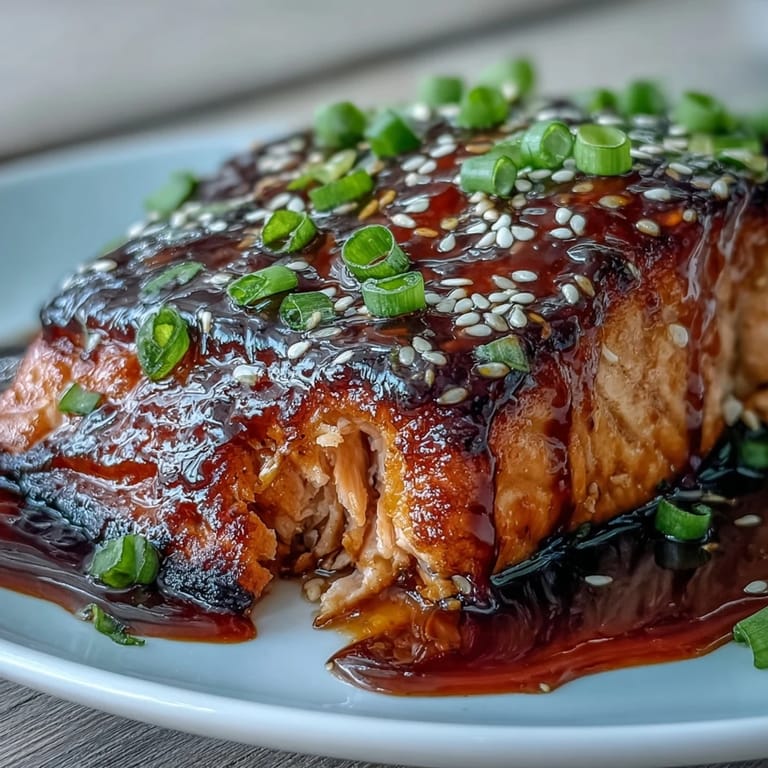
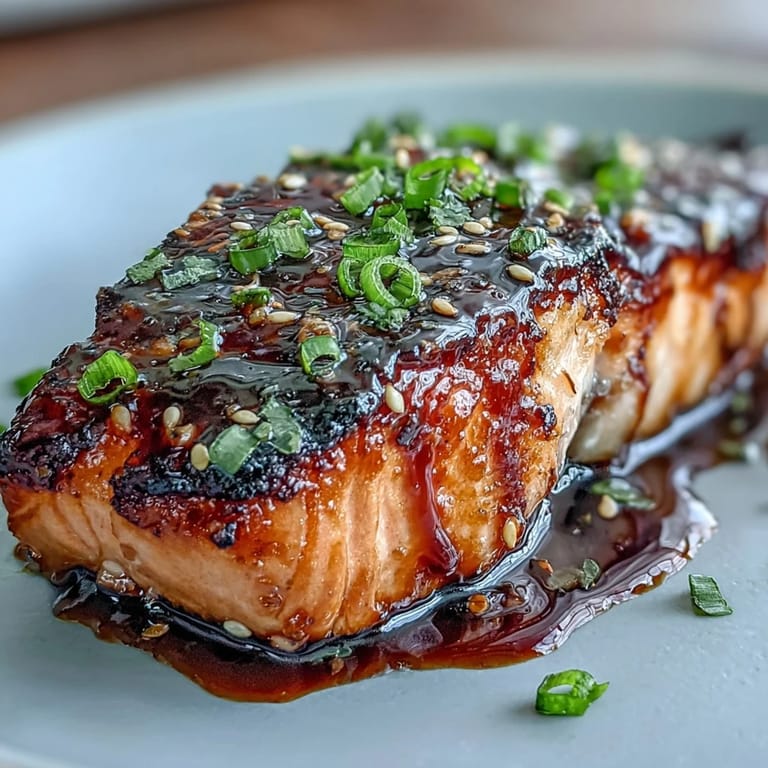
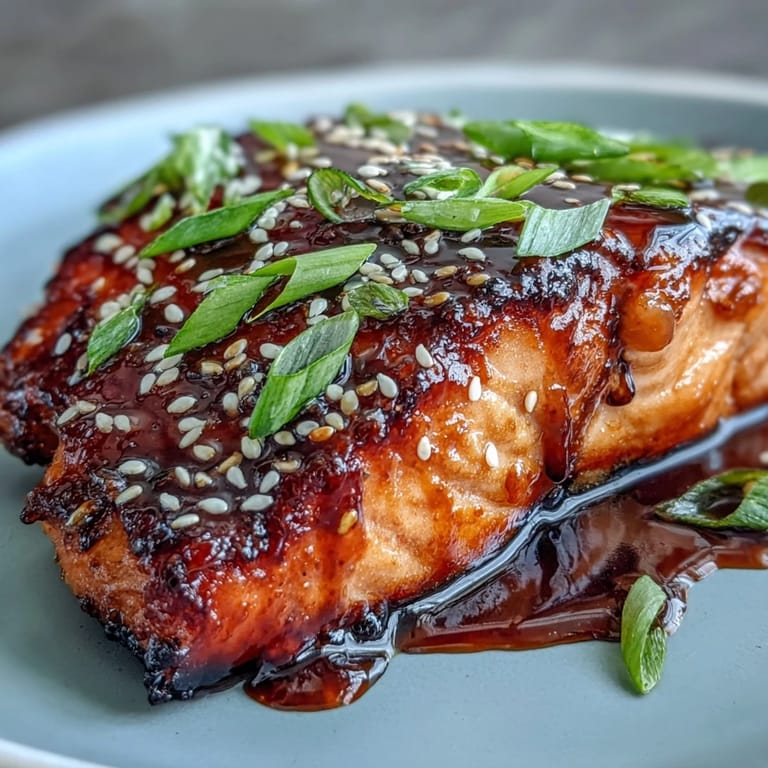
- After three minutes, flip your salmon and immediately pour the glaze over it, then spoon the glaze over the top continuously for the next three to four minutes. Youll watch the maple syrup thicken and turn glossy, coating the salmon in this beautiful mahogany finish.
- Cook Your Vegetables in Parallel:
- While the salmon finishes, heat a little oil in another pan or use a steamer basket for broccoli, snap peas, and sliced bell pepper, cooking just until they have a slight bite, usually three to four minutes. They should still be bright and crisp, not soft.
- Compose Your Bowls:
- Divide the fluffy rice among bowls, top with vegetables, then lay your glazed salmon on top. Drizzle any extra glaze from the pan over everything because none of that hard work should be left behind.
- Finish with Garnish:
- Scatter sliced green onions and toasted sesame seeds across each bowl, then nestle a lime wedge on the side. The lime is not decoration; squeeze it over everything just before eating for brightness that ties it all together.
 Pin It
 One evening my kid tasted this and asked why restaurant food always tastes better, and I realized that the answer wasnt some secret ingredient but rather attention and timing, concepts that suddenly felt very important to pass on. Now theyre the one asking to make it, and somehow it tastes even better when someone else is watching you work.
The Science Behind the Glaze
The maple syrup caramelizes in the hot pan, and that caramelization is what transforms a simple mixture of sweet and salty into something complex and mouthwatering. The acid from the vinegar and lime juice keeps the maple from becoming cloying while helping the glaze thicken rather than burn, and the ginger brings a subtle heat that makes your palate keep wanting another bite.
Timing and Temperature Control
Medium-high heat is your friend because it gives you the seared crust without cooking the salmon through too quickly, but you have to pay attention because every stovetop runs hot or cool. The glaze thickens fast once it hits the hot pan, which is why you spoon it continuously; letting it sit static risks burning the edges while the center stays thin.
Customization and Swaps
This recipe is flexible enough that you can make it your own without losing what makes it special, and thats one of the reasons it has stayed in my regular rotation. Think of the glaze as a blueprint that can handle variations depending on what you have and what youre craving.
- Add a pinch of red pepper flakes or a dash of sriracha to the glaze if you want heat without changing the core flavors.
- Swap the maple syrup for honey or even brown sugar if thats what you have, though the depth changes slightly and the maple is genuinely worth seeking out.
- Use whatever quick-cooking vegetables appeal to you like asparagus, carrots, or bok choy, as long as you keep them moving in the pan so they stay crisp.
 Pin It
 This dish has a way of making ordinary weeknights feel a little less ordinary, and thats the whole reason to keep it close. Serve it warm, eat it slowly, and let the maple-soy harmony remind you that delicious food doesnt require hours or fancy equipment, just a little intention.
Recipe FAQs
- → How long does it take to make this dish?
The total time is 20 minutes—10 minutes for preparation and 10 minutes for cooking. The salmon cooks quickly in the skillet while the rice simmers separately.
- → Can I use other types of fish?
Yes, this glaze works well with other fatty fish like trout, Arctic char, or cod. Adjust cooking time based on thickness of the fillets.
- → Is the glaze very sweet?
The maple syrup provides sweetness, but it's balanced by soy sauce, rice vinegar, and fresh lime juice. The result is a harmonious sweet and savory profile.
- → What vegetables work best?
Broccoli, snap peas, and red bell pepper are excellent choices. You can also use asparagus, carrots, bok choy, or snow peas depending on what's in season.
- → Can I make this gluten-free?
Yes, simply use gluten-free soy sauce or tamari in place of regular soy sauce. All other ingredients are naturally gluten-free.
- → How do I know when the salmon is done?
The salmon is ready when it flakes easily with a fork and the internal temperature reaches 145°F (63°C). The glaze should be thick and glossy.