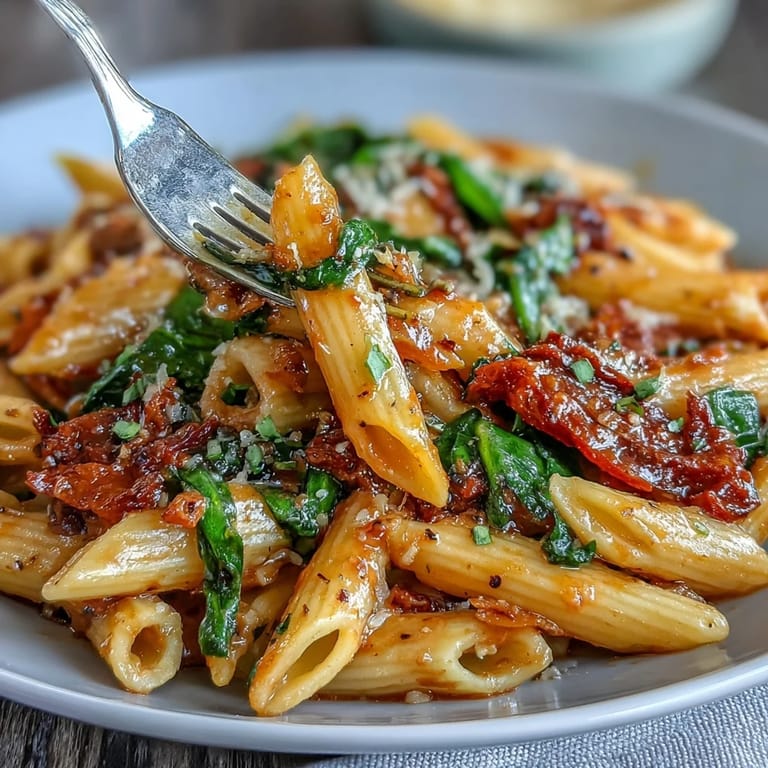
 Pin It
 There's something almost magical about watching a single pot transform into a complete meal while you lean against the counter with a cup of tea. I stumbled onto this recipe during a particularly hectic Tuesday when my brain could barely remember my own name, let alone execute anything requiring multiple pans and dishes. What started as desperate improvisation—throwing pasta, vegetables, and broth into one pot and hoping for the best—became the dish I now make whenever life feels chaotic and my kitchen needs a break from the usual demands.
My neighbor Sarah came over unannounced one evening, and I had maybe twenty minutes before her kids' pickup time. Instead of panicking, I gestured to the counter and said, "Watch this," and proceeded to make this entire dish while we caught up about life. She stood there amazed, partly because it smelled incredible and partly because I wasn't stress-cooking like I usually do. Now she asks me to make it every time she visits, which feels like the highest compliment a recipe can receive.
Ingredients
- Dried penne or fusilli (350 g): The shape matters more than you'd think because shorter, tubular pasta catches all those delicious bits of vegetable and sauce better than long strands ever could.
- Medium onion, finely chopped: This becomes your flavor foundation, so don't skip the chopping—rushed onion pieces cook unevenly and leave raw bites.
- Garlic cloves, minced (2): Fresh garlic blooms into something almost sweet when it gets those few minutes in hot oil, so use real cloves and not the jarred stuff if you can help it.
- Medium zucchini, diced: It releases moisture as it cooks, which actually helps create a silky sauce without any cream, which is genius for a budget-friendly meal.
- Red bell pepper, diced: The sweetness balances the acidity of the tomatoes and adds color that makes the whole dish feel less like a weeknight shortcut and more like something intentional.
- Canned diced tomatoes with juices (400 g): That liquid gold they pack in is essential—it's where much of your flavor lives, so definitely don't drain them.
- Baby spinach (100 g): It wilts in seconds at the end, adding nutrition without any fuss or the metallic taste that some cooked greens develop.
- Vegetable broth (700 ml): This is what makes the magic happen; the pasta drinks it up and becomes creamy without any cream at all.
- Grated Parmesan cheese (60 g, plus extra): It melts into the hot pasta and creates that subtle nutty depth that makes people ask what your secret ingredient is.
- Olive oil (2 tbsp): It's your starting point and your flavor carrier, so use something decent that you'd actually drizzle on bread.
- Dried Italian herbs (1 tsp): These little flakes unfurl as they heat and perfume the entire pot with hints of basil and oregano.
- Chili flakes (½ tsp, optional): A tiny pinch adds complexity without heat, though skip it entirely if spice makes you nervous.
- Salt and black pepper to taste: You'll adjust these at the end, which is why they're not fixed amounts—your palate and your broth are unique.
Tired of Takeout? 🥡
Get 10 meals you can make faster than delivery arrives. Seriously.
One email. No spam. Unsubscribe anytime.
Instructions
- Wake up your aromatics:
- Heat the olive oil in your large pot over medium heat, then add the chopped onion and minced garlic. You'll know they're ready when the kitchen smells like something wonderful and the onion turns translucent, which takes about two to three minutes.
- Build your vegetable base:
- Stir in the diced zucchini and bell pepper and let them sit for another two to three minutes, getting slightly tender at the edges. This step matters because you're starting to coax out their flavors before the liquid arrives.
- Combine everything:
- Add your uncooked pasta, the canned tomatoes with all their juice, and that beautiful vegetable broth. Scatter in the dried herbs, chili flakes if you're using them, and a generous pinch of salt and pepper, then stir everything together so nothing gets stuck to the bottom.
- Let it transform:
- Turn up the heat to bring everything to a boil, then reduce it to a gentle simmer, cover the pot, and let it cook for ten to twelve minutes while you stir occasionally. The pasta will soften, the broth will reduce, and your kitchen will smell like comfort itself.
- Finish with green and cheese:
- Once the pasta is tender and most of the liquid has disappeared, uncover the pot and stir in the baby spinach and Parmesan cheese. It'll only take a minute or so for the spinach to wilt and the cheese to melt into everything, creating this silky, savory finish.
- Taste and serve:
- Give it a quick taste and adjust the salt and pepper if needed, then dish it up into bowls and top generously with extra Parmesan. A crack of black pepper on top is never wrong.
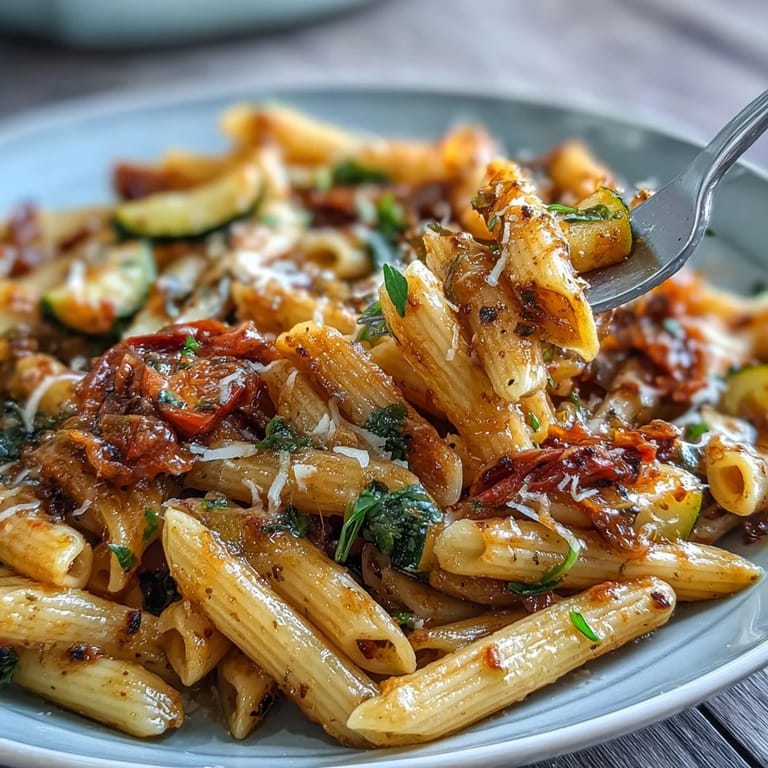 Pin It
 I made this for my partner during a particularly rough work week, and something about eating a warm, nourishing bowl of pasta that appeared on the table without any stress or fuss seemed to reset their entire mood. That's when I realized this recipe isn't just about convenience or budget—it's about showing up for people, even yourself, with something that feels generous and intentional despite its simplicity.
Why This Method Actually Works Better
Most pasta dishes cook the pasta separately and then mix it with sauce at the end, which seems fine until you realize you've missed out on something beautiful. When pasta cooks directly in the broth, it absorbs all those flavors from the beginning, becoming infused with the vegetable essence and herbs in a way that separate components never achieve. It's the difference between a dish that tastes good and a dish that tastes like someone really cared about every bite.
Making It Your Own Without Overthinking
The vegetables I've listed are suggestions, not commandments, which is genuinely one of the best things about this recipe. Mushrooms work beautifully if you sauté them a bit longer to cook off their moisture, carrots add a subtle sweetness if you dice them small enough to cook through, and peas are lovely if you add them in the last two minutes so they stay bright and firm. The structure stays the same no matter what you choose, which means you're free to be creative without worrying you'll ruin something.
Stretching It Further or Adding Substance
If you're feeding people with bigger appetites or want something heavier, this dish welcomes additions without complaining. A handful of cooked sausage stirred in at the end adds richness, canned white beans create creaminess and extra protein, or even a rotisserie chicken shredded and stirred through transforms it into something heartier while keeping the whole operation just as simple. Think of the base recipe as your canvas and these additions as colors you choose based on what sounds good that night.
- Vegetarian or vegan friends will appreciate knowing you can use vegetable broth and omit the cheese entirely, or swap in a plant-based Parmesan that actually melts.
- If you're cooking for someone watching calories, this naturally clocks in at a reasonable place without feeling like restriction food.
- Leftovers stay good in the fridge for three days and reheat gently with a splash of water if they've dried out slightly.
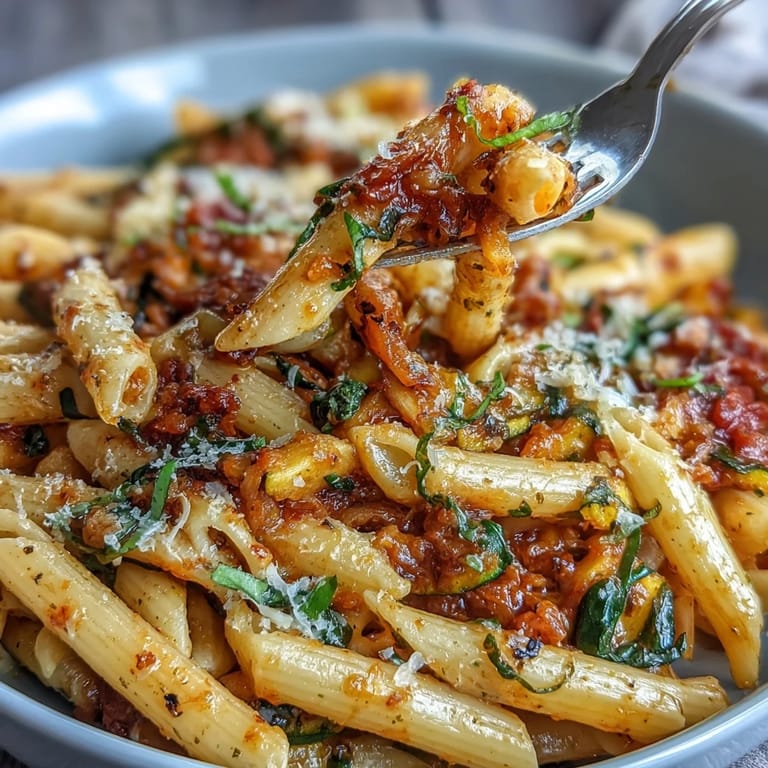 Pin It
 This recipe sits in that perfect place where it feels easy enough to make on a Tuesday when you're exhausted but deliberate enough that you're not just feeding yourself, you're actually nourishing something. Once you make it once, it becomes a reliable friend you know you can call on whenever life gets loud and your kitchen needs a break.
Recipe FAQs
- → Can I use different pasta shapes?
Yes, penne or fusilli work best but other dried pasta shapes like rotini, farfalle, or rigatoni can be used depending on preference.
- → How can I add protein to this dish?
Try adding cooked sausage slices, shredded chicken, or canned beans during the cooking process to boost protein content.
- → Can I make this gluten-free?
Use gluten-free pasta varieties and verify all ingredients to keep it gluten-free without compromising flavor.
- → What can I substitute for Parmesan cheese?
Dairy-free alternatives such as nutritional yeast or vegan cheese work well if avoiding dairy.
- → Is this dish spicy?
The recipe includes optional chili flakes; omit or adjust them to control the heat level to your liking.