 Pin It
 My neighbor brought this cake to a garden party on the first warm Saturday of May, and I watched people close their eyes after the first bite. There was something about the way the lavender whispered through the crumb without shouting, how it made you pause and actually taste what was in your mouth. When she told me the secret was salted honey, everything clicked. I've made it a dozen times since, and it never fails to become the thing people ask about.
I made this for my book club last spring, and someone asked if I'd added rose water because it tasted so refined. The compliment stuck with me because I'd almost skipped the whole recipe thinking it sounded too fussy. That's when I realized the most elegant desserts are often the ones that don't require acrobatic decorating or obscure ingredients, just an understanding of how flavors work together.
Ingredients
- All-purpose flour: Use fresh flour if possible; older flour can affect rise and texture in delicate cakes like this one.
- Baking powder: Check your expiration date before measuring, as old leavening agents won't give you the lift you need.
- Fine sea salt: The salt in the cake enhances the lavender and honey without making anything taste salty.
- Dried culinary lavender buds: This is non-negotiable quality-wise; buy from a reputable source or specialty spice shop so you're getting actual culinary lavender, not craft store material.
- Unsalted butter, softened: Room temperature butter creams properly and incorporates air, which makes the cake lighter and more tender.
- Granulated sugar: This dissolves completely and keeps the crumb delicate.
- Large eggs, room temperature: Cold eggs won't blend smoothly into the batter and create a denser cake.
- Honey: Use a mild variety like acacia or clover so it doesn't overpower the lavender.
- Pure vanilla extract: The real thing matters here because imitation vanilla can clash with floral notes.
- Whole milk, room temperature: The fat in whole milk adds richness and keeps the crumb from drying out.
- Honey for drizzle: The same mild honey you used in the cake works beautifully here.
- Unsalted butter for drizzle: Just a tablespoon to add silkiness to the glaze.
- Flaky sea salt for drizzle: Maldon salt is perfect because it dissolves on your tongue and adds a textural contrast.
Tired of Takeout? 🥡
Get 10 meals you can make faster than delivery arrives. Seriously.
One email. No spam. Unsubscribe anytime.
Instructions
- Prepare your stage:
- Preheat your oven to 350°F and grease your 8-inch cake pan thoroughly, then dust it with flour so nothing sticks. Lining the bottom with parchment paper is the safety net that lets you flip the cake out with confidence.
- Combine the dry team:
- Whisk together flour, baking powder, salt, and lavender buds in a small bowl. The dry ingredients need to know each other before they meet the wet ones.
- Cream butter and sugar:
- Beat softened butter and sugar together for about 3 minutes until the mixture looks pale, fluffy, and almost cloud-like. This step is where you're trapping tiny air pockets that will make your cake tender.
- Add eggs and sweetness:
- Drop in the eggs one at a time, beating well after each so everything emulsifies properly. Then stir in the honey and vanilla, letting them disappear completely into the batter.
- Marry wet and dry:
- Add the dry mixture to the wet mixture in two additions, with the milk sandwiched in between and beginning and ending with dry. Mix just until combined, because overmixing at this point develops too much gluten and toughens the cake.
- Pour and smooth:
- Transfer the batter to your prepared pan and use an offset spatula to level the top. A smooth top bakes more evenly.
- Bake with patience:
- Bake for 28 to 32 minutes until a toothpick inserted in the center comes out clean or with just a crumb or two clinging to it. The cake will smell gently floral and feel springy to the touch when ready.
- Cool strategically:
- Let the cake rest in its pan for 10 minutes, then turn it out onto a wire rack to cool completely. This waiting period prevents the cake from breaking and lets steam escape so it doesn't become soggy.
- Make the golden glaze:
- Combine honey and butter in a small saucepan over low heat and stir until they melt together smoothly. Remove from heat immediately and whisk in the flaky sea salt, letting it dissolve.
- Finish with golden drizzle:
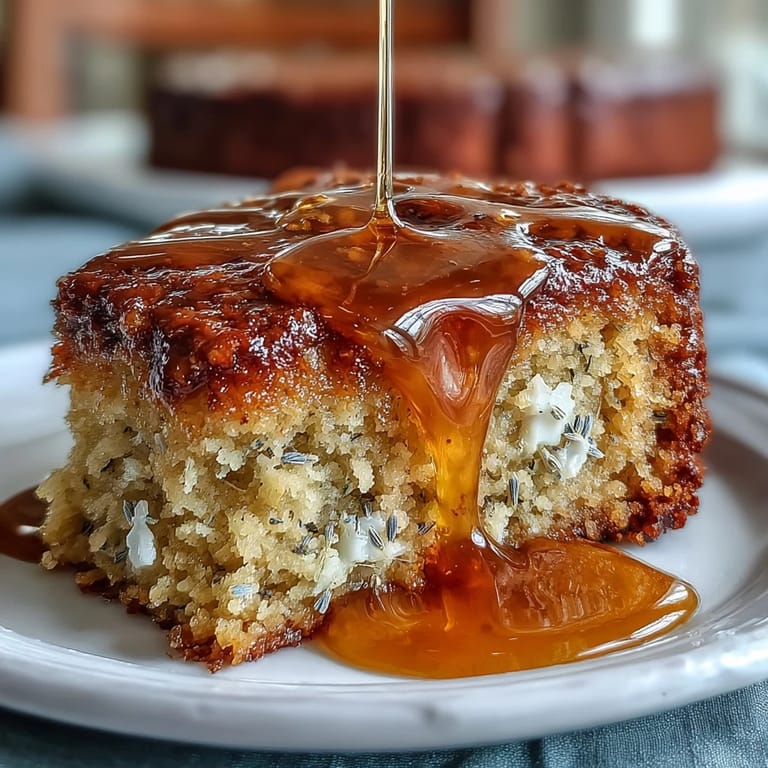
- Once the cooled cake is ready, drizzle the salted honey mixture over the top in a loose pattern. Let it set for 10 minutes so it firms up slightly and becomes spoonable rather than running straight off.
 Pin It
 I served this cake at my daughter's engagement tea, and her future mother-in-law asked for the recipe three times. That moment, watching three generations of women gathered around a dessert and actually talking to each other instead of scrolling phones, reminded me why I cook. Food that's made with attention and care becomes a bridge.
Understanding Lavender in Baking
Lavender is temperamental in the kitchen. Too much and you're eating perfume; too little and you might wonder why the cake tastes slightly off. The trick is understanding that lavender is already in the cake through the buds themselves, and the honey amplifies it naturally. I learned this by accident when I once doubled the lavender thinking more would be better and ended up with something that tasted medicinal. Now I respect lavender's delicate nature and let it do its job in the background.
The Magic of Room Temperature Ingredients
Taking fifteen minutes to let eggs and milk sit on the counter feels unnecessary until you understand what's happening chemically. Room temperature ingredients emulsify properly, creating a homogeneous batter that bakes evenly and produces a tender crumb. I used to skip this step and wondered why my cakes sometimes had a grainier texture. Now I set everything out when I turn on the oven, and the difference is noticeable every single time.
Serving and Storage Wisdom
This cake tastes best served at room temperature, when the crumb is tender and the lavender flavor blooms fully. It pairs beautifully with Earl Grey tea, which echoes the floral notes, or with a chilled glass of Moscato for something lighter. Store the finished cake loosely covered at room temperature for up to two days, or wrap it and refrigerate for up to four days if you want to extend its life.
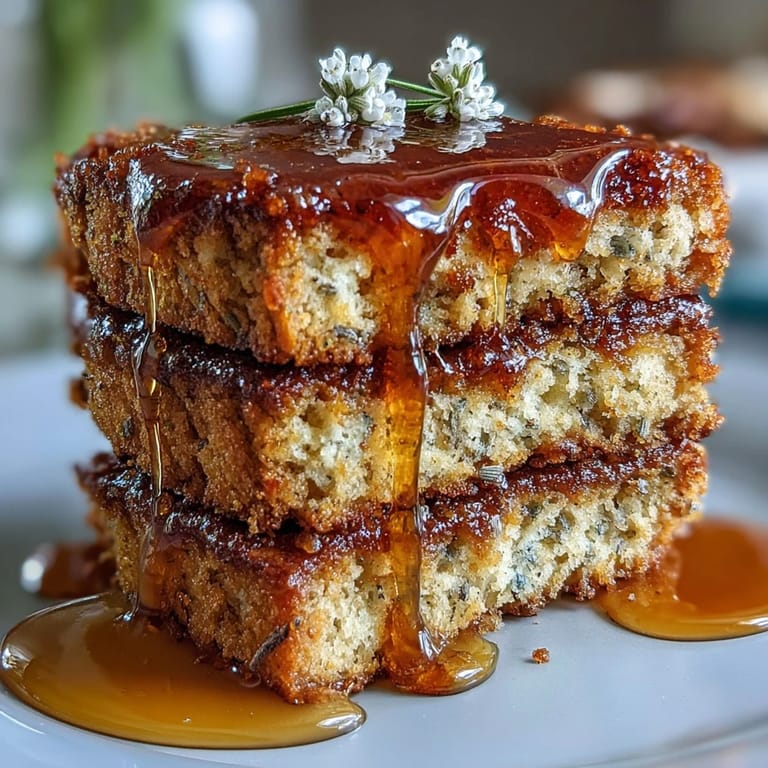
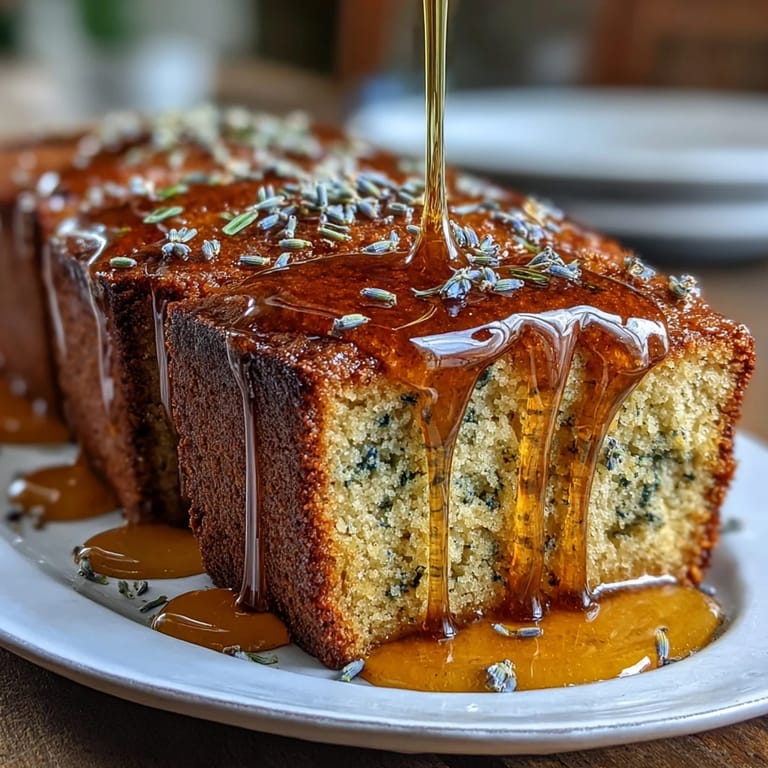
- You can garnish with extra lavender buds or edible flowers for a presentation that looks like you spent hours on it.
- If making this ahead, bake the cake the day before and add the drizzle on the day you're serving it.
- The drizzle is the dress on this cake, so don't skip it or rush it, as it's where the salted honey contrast truly comes alive.
 Pin It
 Every time I make this cake, I'm reminded that the best recipes are the ones that feel like a conversation rather than a test. This one tastes like spring tastes, if that makes sense, and it's become my go-to when I want to make something that matters.
Recipe FAQs
- → How do I enhance the lavender flavor?
Gently crushing the dried lavender buds before mixing releases more oils, intensifying the floral notes without overpowering the cake.
- → Can I substitute the all-purpose flour?
Using cake flour instead of all-purpose flour will yield a lighter texture, but adjustments to liquid may be needed to maintain moisture.
- → What is the purpose of the salted honey drizzle?
It adds a rich, sweet-savory layer that complements the floral lavender and enhances overall flavor complexity.
- → How should I store the cake after baking?
Store in an airtight container at room temperature for up to two days or refrigerate for longer freshness, letting it return to room temperature before serving.
- → Are there any presentation tips?
Garnish with extra lavender buds or edible flowers to enhance visual appeal and highlight the floral theme.