 Pin It
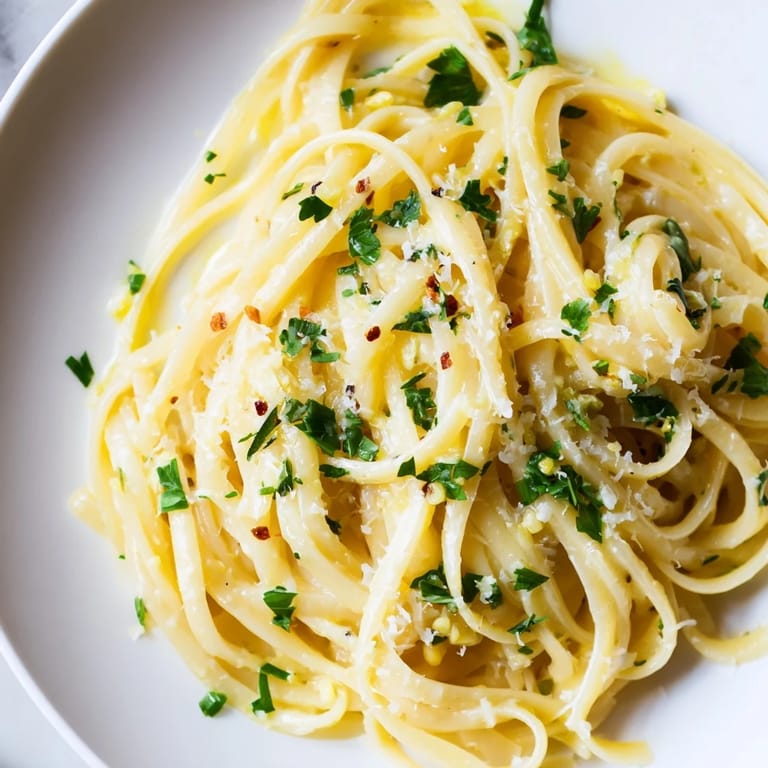
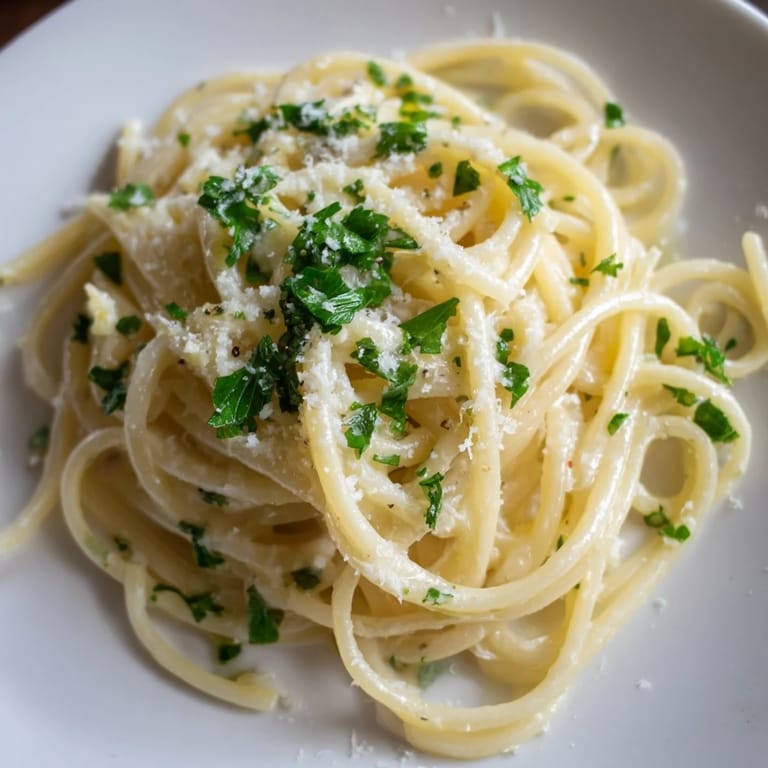
 There's something almost meditative about the way butter melts into garlic—that golden shimmer and the smell that fills your kitchen in seconds. I discovered this linguine one late evening when I had nothing in the pantry but pasta, butter, and too many garlic cloves my neighbor had insisted I take. What started as desperation became my go-to comfort food, the kind of dish that tastes like it took hours but somehow comes together in twenty minutes flat.
I made this for my sister one random Tuesday when she'd had a rough day, and she actually stopped mid-bite and asked what restaurant I'd ordered from. When I told her it was just butter, garlic, and pasta water, she laughed so hard she cried. Now it's become our thing—whenever either of us needs to feel cared for but neither of us has much energy, this is what appears on the table.
Ingredients
- Linguine (400 g): The thin, delicate strands hold onto the buttery sauce in a way thicker pastas can't—this is where the magic starts.
- Unsalted butter (80 g): Don't skip this or cheap out; good butter is the entire foundation here, so choose something you'd actually eat on toast.
- Garlic cloves (6 large, minced): Mince it yourself if you can; jarred garlic tastes like regret compared to the real thing hitting the hot butter.
- Sea salt and black pepper: These aren't just seasonings—they're what makes the simple ingredients sing instead of whisper.
- Fresh flat-leaf parsley (30 g): The brightness at the end saves the dish from feeling heavy, so don't overlook this or substitute dried.
- Parmesan cheese (40 g, optional but recommended): A sharp, salty finish that makes people reach for seconds without knowing why.
- Lemon zest and wedges (optional): This adds a whisper of brightness that cuts through the richness in the most elegant way possible.
- Red pepper flakes (1/4 tsp, optional): A tiny pinch transforms this from mild to memorable without making anyone cough.
Tired of Takeout? 🥡
Get 10 meals you can make faster than delivery arrives. Seriously.
One email. No spam. Unsubscribe anytime.
Instructions
- Start your water and get organized:
- Fill a large pot with salted water and bring it to a rolling boil—you want it angry and bubbling before the pasta goes in. While you're waiting, mince your garlic so finely it's almost paste; this is where precision actually matters because thin shreds cook faster and burn easier.
- Cook the pasta:
- Add linguine and stir it immediately so nothing sticks together. Cook until it's tender with just a hint of resistance when you bite it—not mushy, not crunchy. Before draining, scoop out a mugful of that starchy pasta water; you'll need it in a moment.
- Make the golden base:
- Melt butter in a large skillet over medium heat and listen for that gentle sizzle. Add your minced garlic and let it toast for just a minute or two, stirring constantly—you're looking for it to become fragrant and turn a pale golden color, never brown or crispy.
- Build the sauce:
- Tip your drained linguine into the skillet with the garlic butter and toss it gently, coating every strand. Start adding your reserved pasta water a splash at a time, stirring as you go; the starch creates a silky coating that clings to the pasta instead of pooling at the bottom.
- Season and finish:
- Taste it, then add salt and pepper until it tastes bold enough to make you happy. Stir in your chopped parsley and half the Parmesan if using, then serve immediately while everything is still hot and the pasta is at its most tender.
 Pin It
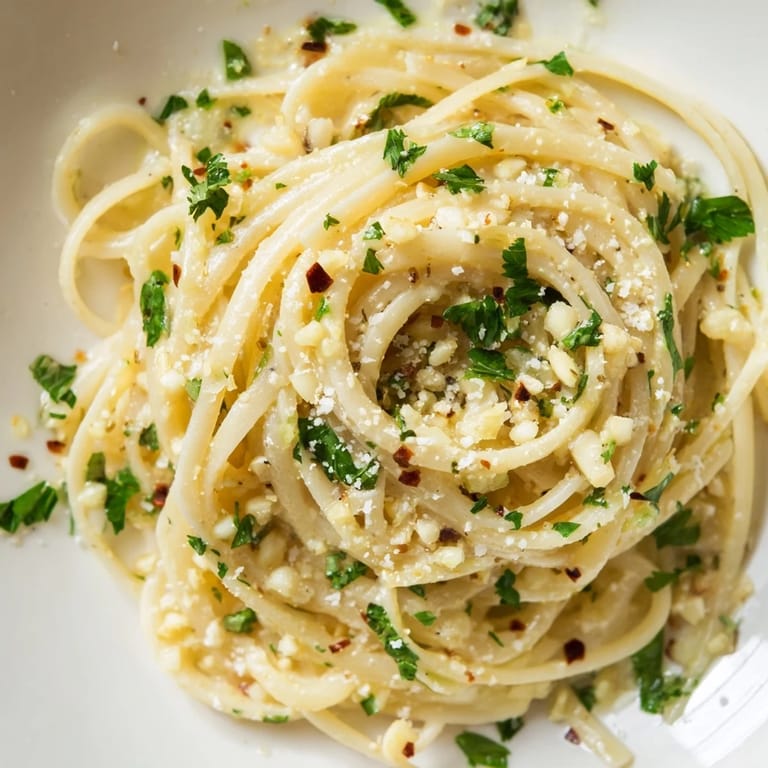
 I remember standing in my kitchen on a cold February night, twirling those buttery strands on a fork and thinking about how something this simple could feel like such a small celebration. My roommate came home, smelled the garlic, and asked if she could steal a plate—we ended up talking until midnight over a dish that cost less than ten dollars but felt abundant.
The Garlic Butter Technique
The secret to this dish living up to its potential is understanding that the garlic butter isn't just a coating—it's an emulsion held together by starch and patience. When you add your pasta water slowly and keep stirring, you're creating something silky and luxurious that feels far more complicated than it actually is. The heat should stay moderate because high heat makes garlic bitter and breaks the emulsion; low and steady wins this race.
Timing and Temperature Matter
This dish lives or dies by having everything ready at the exact same moment, so mise en place—getting your ingredients prepped and in place—isn't just French kitchen snobbery, it's survival. Your pasta needs to go into the butter while it's still warm, your garlic needs to go in while the butter is just starting to foam, and everything needs to hit the plate while steam is still rising. I learned this the hard way by chopping my parsley after the pasta was done, resulting in cold linguine and a self-inflicted disaster.
Ways to Make It Your Own
The beauty of this foundation is that it welcomes additions without falling apart—I've stirred in everything from sautéed mushrooms to fresh spinach to leftover cooked shrimp, and it's only ever gotten better. Some people swear by a splash of cream or a mix of butter and olive oil for a lighter touch; others add a pinch of nutmeg or a whisper of white wine to the butter while the garlic toasts. This recipe is forgiving enough to handle your creativity and confident enough to work on its own.
- Try adding sautéed mushrooms or spinach for earthiness and bulk.
- A squeeze of fresh lemon juice at the very end brightens everything without requiring zest.
- If you have anchovy paste or nutritional yeast on hand, a tiny bit dissolved into the butter adds umami depth.
 Pin It
 This linguine taught me that not every great meal needs to be complicated or time-consuming; sometimes the best dinners are the ones where good ingredients and a little attention are enough. It's become my proof that you don't need a long recipe to feed people something they'll remember.