 Pin It
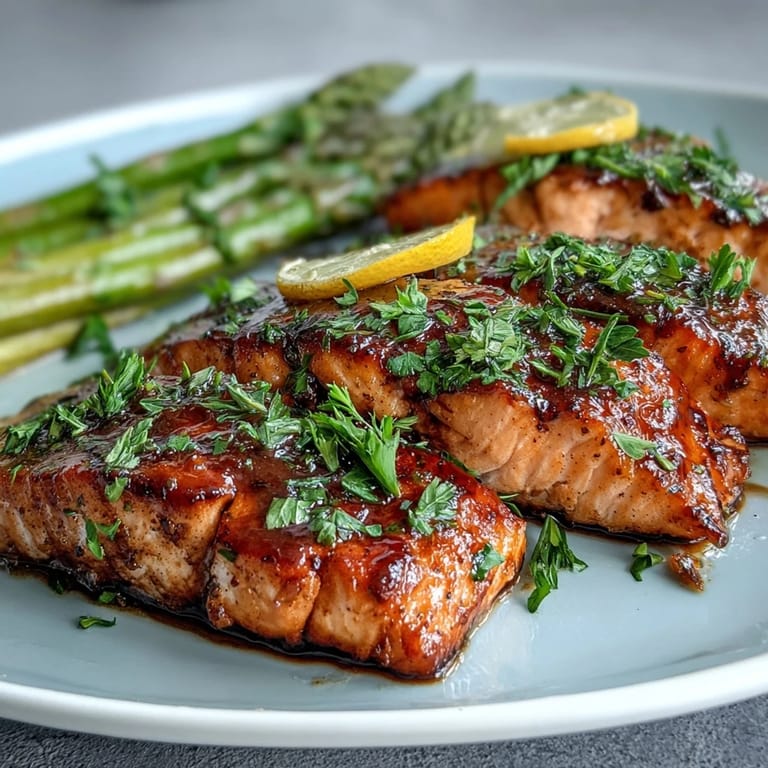
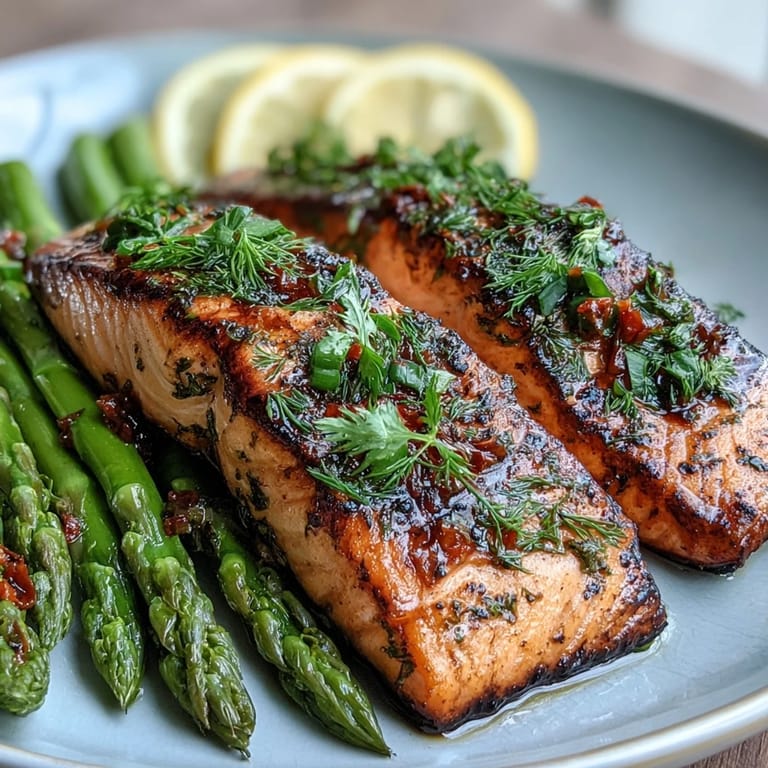
 There's something about spring that makes me want to cook salmon, and this particular version came together almost by accident one April evening when I had guests arriving in an hour and a fragrant bunch of fresh dill practically fell out of my farmers market bag. I'd been overthinking dinner until that moment, but sometimes the best meals are the ones where you stop fussing and let good ingredients speak for themselves. The combination of tender asparagus, herb-crusted salmon, and bright lemon slices has since become my go-to when I need to look impressive without spending all day in the kitchen.
I made this for my sister's birthday dinner last year, and I remember her stopping mid-bite and asking if I'd secretly become a chef when she wasn't looking. It wasn't the most complicated thing I'd ever made, but there was something about the way the herb crust stuck to the salmon and how the lemon basically dissolved into the asparagus that made it feel special. That's when I realized this dish had become one of those recipes I reach for whenever I want people to feel genuinely cared for.
Ingredients
- Salmon fillets (4, about 170 g each): Look for fillets with vibrant color and a mild ocean smell, not fishy—that's how you know they're fresh. Skin-on helps keep the fish moist, but skinless works beautifully too if that's what you prefer.
- Asparagus (1 bunch, about 450 g): Choose spears that are bright green and firm, avoiding any that are wrinkled or limp. Snap off the woody ends by bending each spear until it breaks naturally—that's where tenderness begins and toughness ends.
- Fresh dill (2 tablespoons, chopped): This is the backbone of your herb crust, so use it generously and don't substitute with dried unless absolutely necessary. The sweet, almost anise-like flavor pairs with salmon in a way that feels almost meant to be.
- Fresh parsley (2 tablespoons, chopped): Flat-leaf parsley gives you a cleaner, more herbaceous note that balances the dill beautifully.
- Fresh chives (1 tablespoon, chopped): These add a whisper of onion flavor without overpowering anything else on the plate.
- Garlic (2 cloves, minced): Raw garlic in the herb crust brings a sharp, living quality that mellows slightly during roasting without disappearing entirely.
- Lemon (1, zested and sliced): You'll use both the zest in the herb mixture and thin slices as a topping that softens into the fish. Fresh lemon is non-negotiable here.
- Olive oil (2 tablespoons): Good quality matters because it's doing real work here, not just lubricating—it carries flavor directly onto both the salmon and asparagus.
- Sea salt (1 teaspoon) and black pepper (½ teaspoon): Season in layers, which is the secret to nothing tasting flat. A little on the asparagus, a little in the herb crust, a little on the salmon itself.
Tired of Takeout? 🥡
Get 10 meals you can make faster than delivery arrives. Seriously.
One email. No spam. Unsubscribe anytime.
Instructions
- Get your oven ready and prep your pan:
- Heat your oven to 200°C (400°F) and line a large baking sheet with parchment paper—this is your ticket to easy cleanup and nothing sticking. Take a moment to make sure you have all your ingredients within arm's reach, because once things start roasting, you're mostly just watching and waiting.
- Arrange and season the asparagus:
- Lay the trimmed asparagus in a single layer on one side of your prepared sheet, then drizzle with 1 tablespoon of olive oil and sprinkle with half the salt and a quarter of the pepper. Toss everything together with your hands so each spear gets a light coating, then spread them back out.
- Position the salmon:
- Place your salmon fillets skin-side down (if you have skin) on the other side of the sheet, then drizzle with the remaining tablespoon of oil. Leave a little breathing room between fillets so the heat can circulate properly around each one.
- Make your herb crust:
- In a small bowl, combine your chopped dill, parsley, and chives with the minced garlic, lemon zest, and a small pinch each of salt and pepper. Take a moment to smell this mixture because that's the flavor you're about to lock onto your salmon—it should smell like a bright spring garden.
- Crown each fillet:
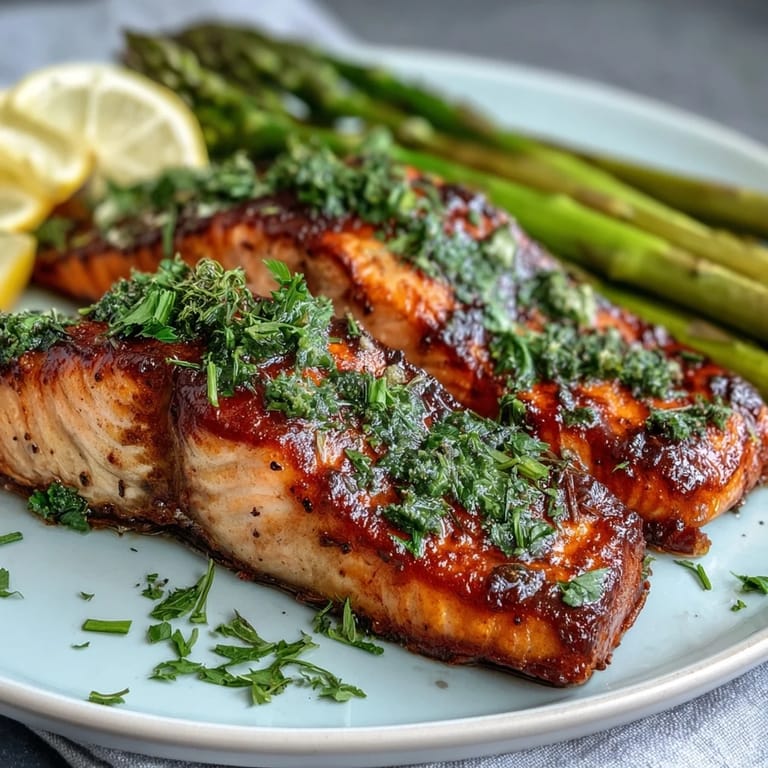
- Press the herb mixture firmly onto the top of each salmon fillet, making sure it sticks and covers most of the surface. Top each one with a thin lemon slice, which will soften and almost melt into the fish as everything roasts together.
- Roast everything together:
- Slide the sheet into your preheated oven and set a timer for 15 minutes, then start checking at that mark. The salmon is done when it flakes easily with a fork and has turned from translucent to opaque, and the asparagus should be tender with just a tiny bit of resistance when you pierce it.
- Bring it to the table:
- Transfer everything to a serving platter while it's still hot, and if you have extra fresh herbs or lemon wedges, scatter them around for color and flavor. Serve immediately while the fish is still warm and the herbs are still fragrant.
 Pin It
 What surprised me most about this recipe is how it transformed a weeknight dinner into something that felt ceremonial, without any stress or fussy techniques. It's become the dish I make when I want to feed people well and remind everyone at the table that simple ingredients treated respectfully are sometimes all you need.
Why This Works as a Spring Dinner
Spring is when asparagus and fresh herbs wake up from winter, and salmon already has this natural richness that absolutely sings when you let bright, green flavors do the talking. I've made this dish in other seasons and it's fine, but something about April or May makes it feel essential, like you're supposed to be cooking this exact meal in this exact moment. The combination feels seasonal without being fussy about it.
Timing and Temperature Matter
The 15 to 20 minute roasting window is crucial because salmon can go from perfectly cooked to dry incredibly fast if you're not paying attention. I learned this the hard way my first time making this for more than two people—I got distracted setting the table and ended up with salmon that was slightly overcooked at the edges. Now I set a timer and hover around the oven for the last few minutes, because that's when you can actually see the transformation happening.
Variations and Substitutions That Actually Work
The beauty of this recipe is that it's flexible enough to adapt to what's fresh or what you prefer, but not so flexible that it falls apart. Broccolini or green beans work wonderfully instead of asparagus if that's what you have, and you can swap fresh tarragon or basil in for some of the dill if you want a different herbaceous note. The one thing I wouldn't skip is the fresh herbs entirely—that's the whole spirit of the dish.
- Taste the herbs when you're making the crust and adjust the balance to what feels right to you, because fresher herbs are more forgiving than you'd think.
- A splash of dry white wine poured around the pan before roasting adds richness without making anything taste heavy.
- If anyone at your table doesn't eat fish, this herb crust works beautifully on roasted chicken breasts or even thick slices of white fish like halibut.
 Pin It
 This is the kind of recipe that sits somewhere between effortless and impressive, which is honestly the sweet spot for cooking at home. Make it once and it becomes your secret weapon for nights when you want to feed people something they'll actually remember.
Recipe FAQs
- → What herbs enhance the flavor of the salmon?
Dill, parsley, and chives provide a fresh, vibrant complement to the richness of the salmon.
- → Can I substitute asparagus with other vegetables?
Yes, alternatives like broccolini or green beans work well for a similar texture and flavor profile.
- → How do I know when the salmon is perfectly cooked?
The salmon flakes easily with a fork and appears opaque throughout, typically after 15–20 minutes of roasting.
- → Is this dish suitable for gluten-free diets?
Absolutely, the ingredients used are naturally gluten-free with no added gluten-containing components.
- → What type of wine pairs well with this meal?
A chilled Sauvignon Blanc or Pinot Grigio complements the herbal and citrus notes beautifully.