 Pin It
 The first time I made jerk pork tenderloin, I wasn't thinking about Caribbean holidays or resort vibes—I was standing in my kitchen on a Wednesday evening, holding a Scotch bonnet pepper and wondering if my hands would ever forgive me. My neighbor had just returned from Jamaica raving about this dish, and I decided to tackle it without fully understanding the heat I was about to invite into my home. What started as curiosity turned into an absolute kitchen revelation: that moment when the spice paste hit the hot baking sheet and the whole house filled with this intoxicating aroma of allspice, thyme, and caramelizing pork. Now I make it constantly.
I remember serving this to my partner's parents without warning them about the heat level, and watching their faces as they took that first bite was unforgettable—shock, then instant addiction. By the end of the meal, they were asking for the recipe and debating whether to buy a meat thermometer just to make it at home. That's when I knew this wasn't just a recipe; it was something that actually impressed people.
Ingredients
- Pork tenderloin, 1½ lbs trimmed: This cut is lean, cooks fast, and stays juicy if you don't push it past 145°F—a meat thermometer is your actual best friend here, not optional.
- Olive oil, 2 tablespoons: Carries the flavors into the meat and helps create that caramelized crust.
- Soy sauce, 3 tablespoons: Use tamari or certified gluten-free if needed; it adds umami depth that balances the heat and spice.
- Fresh lime juice, 2 tablespoons: Brightens everything and tenderizes the pork slightly as it sits.
- Brown sugar, 2 tablespoons: Feeds the caramelization and rounds out the sharp spices with subtle sweetness.
- Green onions, 3 chopped: Fresh, alive flavor that you'll taste in every bite.
- Garlic, 2 cloves minced: Non-negotiable; use fresh, not jarred.
- Fresh ginger, 1 tablespoon grated: Adds warmth and a slight peppery kick that complements the heat beautifully.
- Scotch bonnet pepper, 1 seeded and finely chopped: This is the soul of jerk seasoning; wear gloves and respect it, or swap for a jalapeño if you want to dip your toes in rather than dive headfirst.
- Ground allspice, 1 teaspoon: The signature spice that makes this Caribbean, not just generically spicy.
- Dried thyme, 1 teaspoon: Herbaceous and earthy, it ties the whole profile together.
- Ground cinnamon, 1 teaspoon: Sounds unusual, but it adds complexity and warmth.
- Ground nutmeg, ½ teaspoon: A whisper, not a shout; too much and it overpowers everything.
- Kosher salt, 1 teaspoon: Seasoning salt crystals, not table salt, which dissolves differently.
- Black pepper, ½ teaspoon: Freshly ground if possible.
Tired of Takeout? 🥡
Get 10 meals you can make faster than delivery arrives. Seriously.
One email. No spam. Unsubscribe anytime.
Instructions
- Blend your marinade paste:
- Throw all the wet ingredients and spices into a blender or food processor and let it run until you have a smooth, fragrant paste that looks like pesto. Don't skimp on the blending—the smoother it is, the better it adheres to the pork.
- Coat the pork and marinate:
- Pat your tenderloin completely dry with paper towels, then massage the marinade all over it like you're giving it a spa treatment. Pop it in a resealable bag or shallow dish, cover it, and let it sit in the fridge for at least 2 hours—overnight is even better, when the flavors deepen and the meat becomes even more tender.
- Heat your oven and prep:
- Crank the oven to 425°F and line a baking sheet with foil or parchment paper. This high heat is what creates that beautiful caramelized crust while keeping the inside juicy.
- Roast with intention:
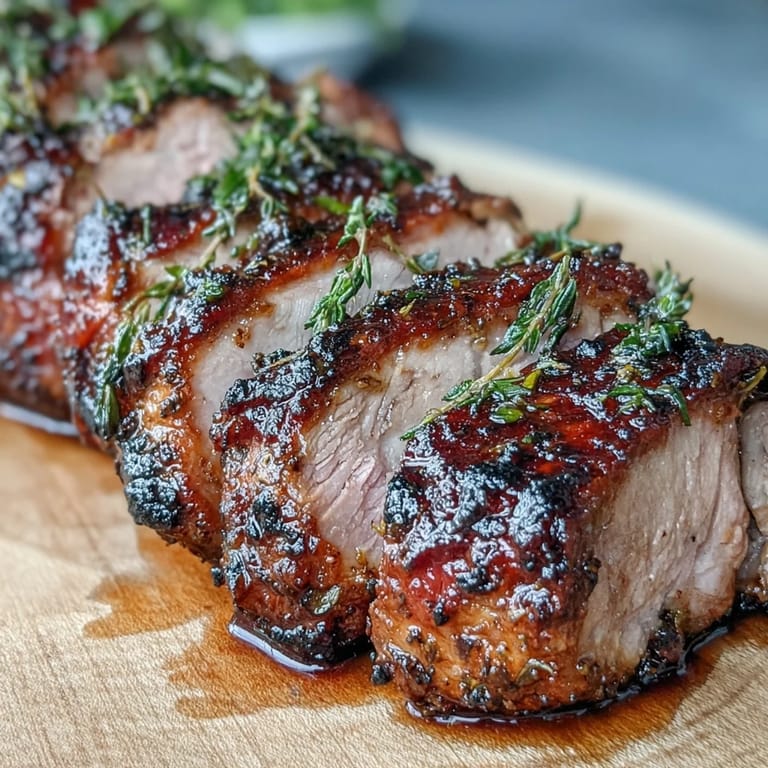
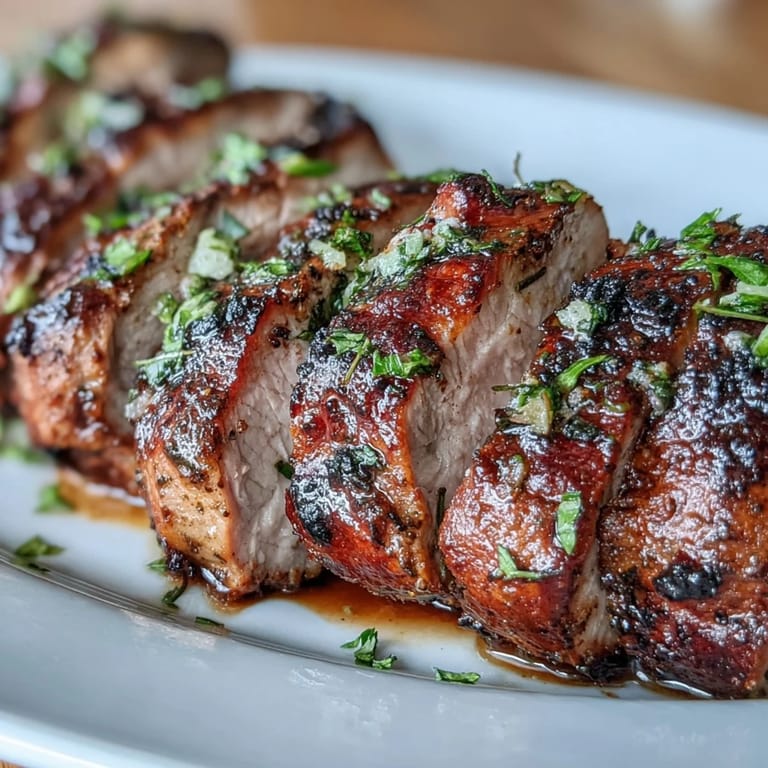
- Place the pork on your prepared sheet, letting excess marinade drip off, and slide it into the oven. Roast for 20 to 25 minutes, turning halfway through so both sides get that golden-brown treatment. The pork is done when it hits 145°F internally—use a meat thermometer to check the thickest part, then pull it out.
- Rest and slice:
- This is the step people skip and regret: tent the pork loosely with foil and let it rest for 5 to 10 minutes. This allows the juices to redistribute so every slice stays moist instead of releasing liquid all over your plate.
- Plate and share:
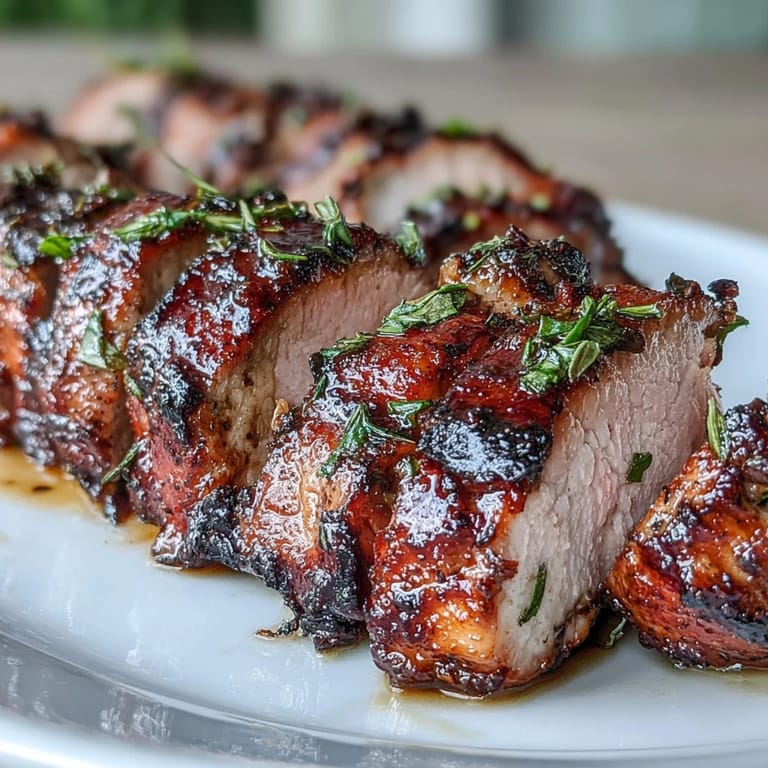
- Slice it however thick you like and serve it with rice and peas, grilled vegetables, or a bright mango salsa that echoes those Caribbean flavors.
 Pin It
 There's something magical about watching someone taste this for the first time and seeing that moment when the heat, the spice, and the tenderness click for them. It's not just dinner; it's a flavor story that makes people feel like they're somewhere warmer, somewhere with salt air and steel drums in the distance.
The Jerk Spice Profile Explained
Jerk seasoning isn't one single flavor; it's a whole conversation happening in your mouth. The allspice is the anchor—it's what distinguishes jerk from any other spice rub—while the thyme and cinnamon add warmth and depth. The ginger and garlic provide sharpness, the Scotch bonnet brings heat, and the nutmeg softens everything into something cohesive rather than chaotic. Understanding what each spice does helps you adjust the recipe to your own taste without destroying the balance.
Timing and Temperature Matter More Than You Think
Pork tenderloin is forgiving only to a point. Cook it to 160°F and you'll have jerky; cook it to 145°F and it's perfect. The difference between dry disappointment and tender excellence is literally five degrees and a meat thermometer. I once tried to guess by touch and texture, convinced I knew better, and ended up with something that had the consistency of a sponge. The thermometer I eventually bought cost eight dollars and has saved me from that mistake about a hundred times since.
Make It Your Own
The beauty of this recipe is that it's a framework, not a prison. If you love smoke, finish it on a hot grill for a couple minutes per side after roasting. If you want it hotter, add a second Scotch bonnet or use the seeds. If you're cooking for people who prefer gentler flavors, go easy on the pepper and add more lime juice and ginger instead, which gives you heat but of a different kind. The fundamentals stay the same; the details are yours to explore.
- Pair it with a crisp white wine like Sauvignon Blanc or go with a cold lager if beer is more your style.
- Leftover sliced pork makes incredible sandwiches the next day with some mango salsa and avocado.
- Double the marinade if you're feeding a crowd or want extra sauce on the side for dipping.
 Pin It
 This pork tenderloin has become one of those recipes I make when I want to feel like I'm cooking something ambitious but don't want the actual stress. It's impressive, it's flavorful, and it reminds everyone at the table why they love eating good food together.
Recipe FAQs
- → What does jerk seasoning consist of?
Jerk seasoning includes allspice, thyme, cinnamon, nutmeg, garlic, ginger, green onions, Scotch bonnet pepper, and soy sauce, creating a spicy, aromatic blend.
- → How long should the pork marinate for best flavor?
Marinate the pork for at least 2 hours, preferably overnight, to allow the spices to deeply penetrate and tenderize the meat.
- → What is the ideal internal temperature for pork tenderloin?
Roast until the pork reaches 145°F (63°C) internally for juicy and safe-to-eat tenderness.
- → Can the spice level be adjusted?
Yes, substitute Scotch bonnet pepper with jalapeño to reduce heat, or adjust the amount used according to your preference.
- → What side dishes pair well with this pork tenderloin?
Serve with rice and peas, grilled vegetables, or fresh mango salsa to complement the vibrant flavors.
- → Is the marinade gluten-free?
Use certified gluten-free soy sauce or tamari to keep the marinade gluten-free.