 Pin It
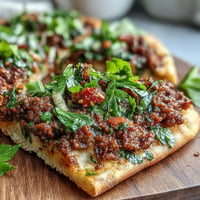
 There's something about the smell of peppers hitting hot olive oil that makes me stop whatever I'm doing and pay attention. One lazy Sunday morning, I found myself staring at a pizza crust and a skillet of menemen—that Turkish scrambled egg dish my neighbor had introduced me to weeks earlier—and thought, why not? The result was this fusion that shouldn't work but absolutely does, combining the comfort of creamy eggs with the satisfaction of biting into crispy crust. It's become my go-to when I want something that feels both familiar and adventurous.
I made this for my roommate's birthday brunch last summer, and she ate two slices before asking what I'd done differently to pizza. When I told her it was essentially breakfast on a crust, she laughed and said it was the best accidental genius I'd ever created. Now whenever she comes over, this is what she requests.
Ingredients
- Pizza crust (30 cm/12 inches): Use a store-bought thin crust to keep things simple, or make your own if you're feeling ambitious—the thin texture is key so it stays crispy under the wet topping.
- Olive oil: You'll need three tablespoons total, split between cooking and brushing; don't skimp here because it's where half the flavor lives.
- Onion and bell peppers: One medium onion and both a green and red pepper give you sweetness and color; dice them small so they soften quickly and distribute evenly.
- Tomatoes: Fresh and finely chopped work best; if your tomatoes are watery, the pizza stays crispy, so don't worry about excess moisture.
- Eggs: Four large eggs create that creamy, just-set scramble that's the heart of menemen—resist the urge to overcook them.
- Paprika and cumin: These spices are what make this Turkish, not just eggs on pizza; they add warmth without being spicy.
- Red pepper flakes: Keep these optional and add them only if you like a gentle heat that builds slowly.
- Feta cheese: Sixty grams crumbled over the top adds a tangy salt that cuts through the richness of the eggs beautifully.
- Parsley: Fresh and chopped at the very end, it's the brightness that makes each bite sing.
Tired of Takeout? 🥡
Get 10 meals you can make faster than delivery arrives. Seriously.
One email. No spam. Unsubscribe anytime.
Instructions
- Heat your oven properly:
- Get your oven to 220°C (425°F) and place your pizza stone or baking tray inside while you work. A hot surface is what will give you that crispy crust that matters.
- Build your flavor base:
- Heat 2 tablespoons of olive oil in a large skillet over medium heat, then add the chopped onion and both peppers. You'll know they're ready when they're soft and the onion turns translucent, which takes about 4–5 minutes.
- Deepen the sauce:
- Stir in the chopped tomatoes along with the paprika, cumin, and red pepper flakes if you're using them. Let this simmer for 5 minutes until the tomatoes soften and the whole mixture thickens slightly and smells like a Turkish kitchen.
- Add the eggs gently:
- Turn the heat down to low, crack the eggs directly into the skillet, and stir gently. The goal is softly scrambled eggs that are just set but still creamy—about 2–3 minutes. Season with salt and pepper to taste.
- Prepare the crust:
- Place your pizza crust on a piece of parchment paper and brush it lightly with 1 tablespoon of olive oil. This helps it brown and keeps it crispy.
- Assemble your pizza:
- Spoon the menemen mixture evenly over the crust, leaving a small border around the edges. Sprinkle the crumbled feta cheese over the top.
- Bake until perfect:
- Carefully transfer the pizza with its parchment paper to the preheated stone or tray. Bake for 8–10 minutes until the crust is crisp and the topping is bubbling gently at the edges.
- Finish and serve:
- Remove from the oven, scatter the chopped parsley over the top for color and freshness, slice, and serve immediately while everything is still warm.
 Pin It
 The first time I nailed the timing on this, everything came together in that magical five-minute window where the crust was still crackling and the eggs were still steaming. My partner took one bite and asked if I'd secretly trained as a chef. I hadn't—I'd just stopped overthinking and let the ingredients do what they were meant to do.
Why This Works as Fusion
Turkish menemen is usually eaten with bread, so putting it on pizza crust isn't radical—it's just honest. The crust gives you texture and a vehicle for eating something you'd normally need a fork for. The peppers and tomatoes are cooked just enough to soften but not collapse, the eggs stay creamy instead of becoming rubber, and the feta adds a salty note that ties everything together. It's comfort food that feels a little bit exciting.
Timing and Temperature Matter
I've learned the hard way that rushing the initial vegetable cook ruins everything. Those peppers and onions need time to release their sweetness, which takes at least four full minutes. If you skip that step, you'll taste raw pepper instead of the soft, caramelized flavor that makes menemen special. The oven temperature is equally important—too low and your crust stays soft and chewy, too high and it burns before the topping heats through. Trust the 220°C and the 8–10 minute window.
Making It Your Own
This recipe is actually more flexible than it looks, and that's part of why I love it. You can add sliced Turkish sucuk sausage for richness, crumble some white cheese if you don't have feta, or add a handful of spinach if you want vegetables hiding in there. The base stays the same, but your version will taste like your kitchen and your preferences.
- Drizzle with a little more olive oil right before eating if you want extra richness and flavor.
- Serve alongside a simple salad of cucumbers, tomatoes, and olives to balance the richness.
- Leftovers are actually decent cold the next day if you have any, though they're best eaten fresh.
 Pin It
 This pizza is the kind of thing that reminds you cooking doesn't have to be complicated to be delicious. It's ready in 40 minutes and feeds four people happily.
Recipe FAQs
- → What is the best crust to use?
A thin, large pizza crust works best for a crisp, balanced base that holds the moist topping without becoming soggy.
- → How do you achieve creamy scrambled eggs?
Cook the eggs gently on low heat, stirring softly until just set but still creamy for a rich texture.
- → Can I add heat to the topping?
Yes, a pinch of red pepper flakes adds a subtle spicy kick without overpowering the dish.
- → Is feta cheese necessary?
Feta adds a salty tang that complements the vegetables and eggs, but you can substitute with a similar crumbly cheese if preferred.
- → How should this be served?
Serve warm, garnished with fresh parsley and optionally drizzle with olive oil or add a side salad for freshness.